
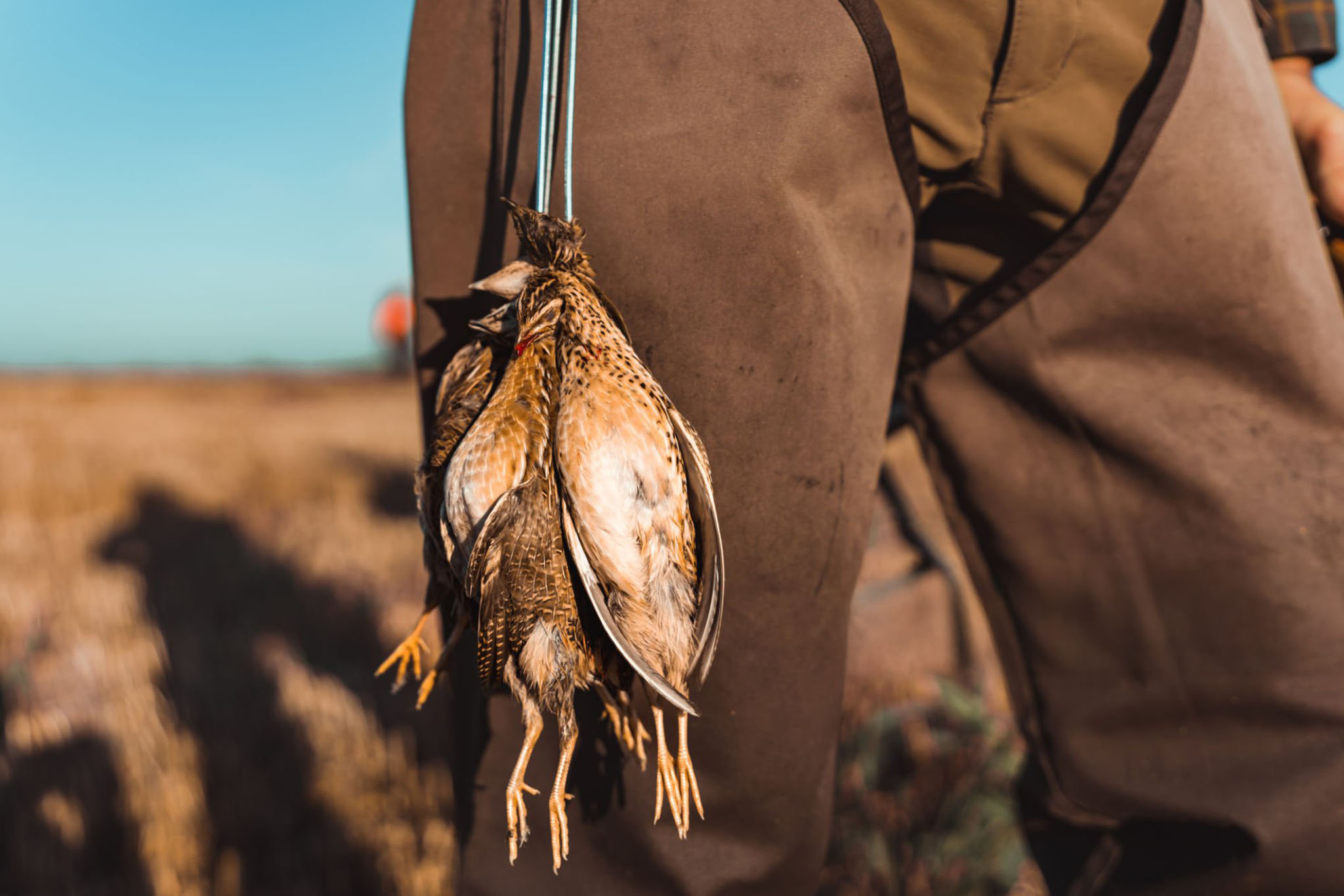
When the north wind starts to blow, every duck hunter knows something is about to change. That sharp bite in the air doesn’t just signal colder mornings—it’s the invisible hand that reshapes the entire waterfowl landscape. Ducks don’t move randomly. Their migrations, feeding habits, and flight paths are often dictated by weather fronts, and understanding how these shifts work can turn a slow hunt into a banner day.
The Power of the North Wind
A north wind in fall and early winter means one thing: colder air pushing south. For ducks, this signals that the northern breeding grounds are locking up with ice, food sources are diminishing, and it’s time to move. Hunters in the mid and southern flyways often see the effects overnight—new flocks of mallards, pintails, or gadwalls suddenly appearing in flooded timber, marshes, or fields.
These cold fronts can move birds hundreds of miles in a single night. The key for hunters is to stay ahead of these shifts—knowing when a front is coming and setting up to intercept those new arrivals.
Reading the Forecast Like a Hunter
Most hunters check the weather, but few read it. Beyond just temperature drops, pay attention to:
- Wind Direction and Speed: A steady north or northwest wind between 10–20 mph is ideal. It helps migrating ducks conserve energy while providing hunters with predictable flight lines.
- Barometric Pressure: A falling barometer ahead of a front means ducks are feeding heavily. A sharp rise after the front passes often triggers migration.
- Cloud Cover and Moonlight: Clear skies and a bright moon often mean ducks will migrate overnight. Overcast skies and drizzle can hold birds in one spot longer.
Hunters who plan based on these cues—rather than just the weekend—usually find themselves in the middle of fresh flights.
Why New Ducks Change the Game
When the north wind delivers new birds, behavior shifts instantly. Local ducks, which have seen every decoy spread in the county, become wary. But new arrivals? They’re unpressured, eager to rest and feed, and much more responsive to calling and decoys.
Watch for these signs of new birds:
- High-flying flocks trading back and forth at first light.
- Ducks working aggressively to calls or motion decoys.
- Sudden surges in mixed species (mallards, teal, wigeon) that weren’t around the day before.
This is the “sweet spot” after a front—the window where hunting pressure is low, ducks are active, and shooting can be phenomenal.
Tuning Your Setup for Front Migrations
When weather shifts bring migrators, adjust your strategy to match their mood:
- Spread It Out: New ducks fly higher and look for visible landing zones. Use a wider decoy spread to catch their attention from altitude.
- Add Motion: Spinner decoys or jerk cords can seal the deal in windy conditions when surface water is choppy.
- Call Confidently: New flocks respond well to aggressive hail calls and comeback calls. Once they commit, tone it down to soft quacks and feeding chuckles.
- Stay Hidden: North winds often mean bright skies—so control glare, brush up blinds, and blend into your background.
Following the Front
For serious hunters, mobility is everything. When a north wind pushes through, birds may leapfrog south daily. Those who chase the migration—whether from river bottoms to flooded grain fields—often stay in the action longer.
A good rule of thumb: hunt the front edge. If temperatures are dropping and the wind is steady from the north, set up immediately after the front passes. Ducks often ride the calmer air behind the storm.
Patience and Timing Pay Off
It’s tempting to head out on every crisp morning, but the best hunts usually happen in narrow windows—12 to 24 hours after a major weather shift. Being ready with flexible gear, good scouting, and a solid understanding of how weather moves ducks is what separates consistent hunters from lucky ones.
Final Takeaway
The north wind doesn’t just bring cold—it brings opportunity. When temperatures plummet and the sky clears, the migration comes alive. Hunters who learn to interpret those shifts, adapt quickly, and stay ready through the night hours will always have the upper hand when dawn breaks.
