
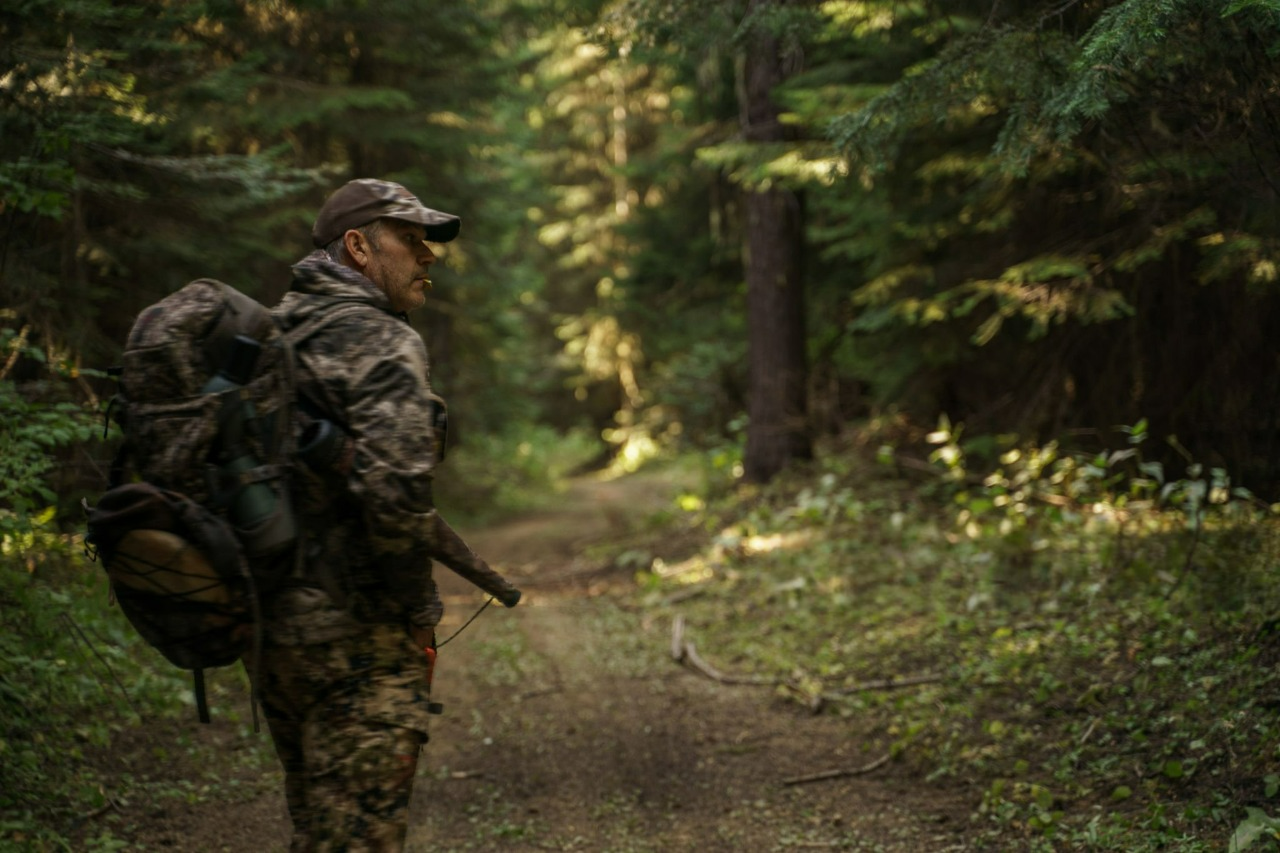
Every seasoned whitetail hunter knows that the woods tell stories long before the rut explodes. One of the clearest — and most overlooked — is written on the trunks of small trees. Rub lines are a buck’s calling card, a territorial warning, and a roadmap to his habits. By mid-to-late October, when testosterone starts to climb but breeding hasn’t yet peaked, understanding these rub patterns can be the difference between watching the action and being in it.
Let’s break down how to read rub lines like a pro, scout them without burning your spots, and use them to set the stage for success before the chaos of the rut begins.
Understanding What a Rub Line Really Is
A rub line isn’t just random scarring on saplings. It’s a communication system — and a behavioral breadcrumb trail. When a buck rakes his antlers against trees, he’s doing several things at once:
- Marking territory: Bucks leave visual and scent cues through forehead glands, telling other deer they’re in the area.
- Relieving velvet itch and frustration: Early-season rubs often start as an instinctive response to shedding velvet and rising aggression.
- Establishing dominance: Mature bucks use rubs to assert hierarchy and test rivals in overlapping territories.
A rub line forms when a buck travels a consistent route — usually between bedding, feeding, and staging areas — rubbing trees along the way. These rubs can reveal not only his direction of travel but also his comfort zone and timing.
Timing: Why Now Is the Moment
Mid to late October is prime time for finding and interpreting rub lines. Bucks are laying down fresh sign almost daily, but they’re not yet chasing does wildly. This window gives you a chance to pattern them before the rut chaos turns their movements unpredictable.
During this pre-rut phase, bucks are expanding their ranges, checking out potential breeding zones, and refreshing old rub lines from previous years. If you start scouting now, you can get ahead of the game and be sitting in the right tree when the first hot doe appears.
How to Find Active Rub Lines
- Start with Funnels and Edges:
Bucks are creatures of habit. Look for rubs along transition zones — edges between thick cover and open timber, creek crossings, or narrow pinch points. These are travel corridors bucks use regularly. - Follow the Line, Not the Single Rub:
One rub might be curiosity. Three or more in a row, all facing the same direction, suggest a route. Follow that line to see where it leads — it often points toward bedding or feeding areas. - Check Tree Size and Height:
The size and height of the rub can give clues about the buck making it. A small-diameter sapling rubbed low could be a younger deer, while a thigh-thick cedar shredded from knee to chest height is the work of a mature buck. - Look for Freshness:
Bright, exposed wood with sap still oozing is a sign of current activity. Dull or gray rubs are older and may no longer indicate active travel.
Scouting Without Spooking
One of the biggest mistakes hunters make is pushing too deep, too often. The goal is to gather intel without educating the deer.
- Scout mid-day: Deer are least active then, reducing your odds of bumping them.
- Play the wind: Always approach from a downwind direction. If a buck smells you near his rub line, he’ll likely shift patterns for days.
- Use trail cameras sparingly: Hang cameras high and angled down to avoid eye-level detection. Use cellular cameras if possible, so you don’t need to revisit the area.
Using Rub Lines to Plan Ambushes
Once you’ve mapped out a rub line, the real strategy begins.
- Set Up Near the Endpoints:
Rub lines often connect bedding cover to feeding areas. Focus on staging zones — the spots where bucks pause before stepping into open food plots or fields. - Think Wind and Thermals:
Bucks travel with the wind in their favor. Set up on the downwind side of a rub line, ideally with a crosswind that keeps your scent away from his expected path. - Time Your Hunts:
Early mornings and late afternoons are key. Bucks use rub lines heavily before daylight and just before dark, especially during calm, cool days following a front. - Stay Patient and Silent:
This is the moment for quiet observation. Don’t call or rattle too early — instead, watch for patterns. Once you’ve confirmed movement, that’s when aggressive tactics like grunts or rattling can pay off.
Interpreting Rub Line Clusters
Sometimes you’ll find an area loaded with rubs — on multiple sides of trees, scattered across a few dozen yards. That’s not a line; it’s a signpost area or rut staging zone. Bucks use these places to check scent, spar, and establish dominance. Hanging a stand on the downwind edge of one of these hubs can be deadly during the first few days of the rut.
Common Mistakes to Avoid
- Over-scouting: Frequent trips into a rub line area can destroy your chances. Get in, take notes or photos, and back out.
- Ignoring Old Sign: Even older rub lines can show travel traditions. Bucks reuse the same routes year after year, especially in secure areas.
- Focusing Only on Open Woods: Some of the best rub lines run through thick, brushy cover — the kind of spots most hunters overlook.
The Payoff: Being One Step Ahead
The beauty of rub line scouting is that it’s proactive. Instead of reacting to rut chaos and random chasing, you’re building a picture of how bucks move before the mayhem starts. By recognizing travel routes, understanding wind dynamics, and picking ambush points early, you’re ready when the first big buck starts scent-checking does.
This is the calm before the storm — the narrow window when information is power, and every fresh rub is a breadcrumb leading straight to your target.
Final Thoughts
The rut may bring excitement, but the weeks before offer opportunity for the disciplined hunter. Scouting rub lines now means you’re not just guessing where deer might be — you’re reading their movements, predicting their patterns, and setting up for the shot before the woods erupt in chaos.
So lace up your boots, grab your binoculars, and start reading the forest like a story written in bark. The buck you tag this fall might just be the one who left his signature along that subtle line of shredded saplings weeks before anyone else noticed.
