
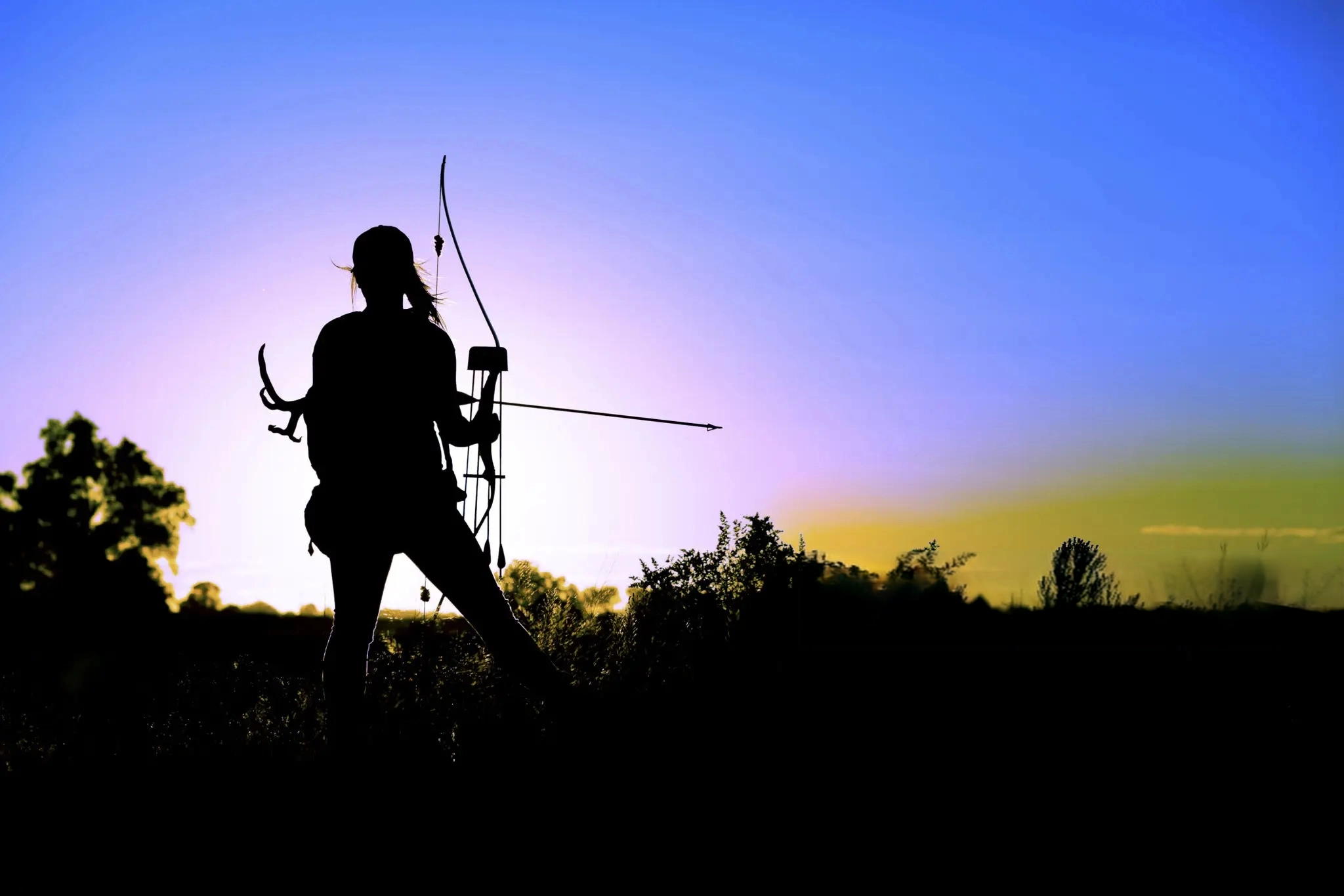
As another hunting season winds down, many hunters hang up their rifles or bows and call it quits until next fall. But for those who consistently tag mature bucks year after year, the real work is only beginning. Late-season scouting isn’t just about the hunt that’s ending — it’s about the next one that’s already taking shape.
When snow blankets the woods and deer settle into their winter survival routines, the forest tells its secrets more clearly than at any other time of year. Trails, beds, rubs, scrapes, and feeding areas stand out in ways that are impossible to miss. If you learn how to read these signs now, you’ll be miles ahead when next season begins.
Why Late-Season Scouting Matters
Most hunters scout heavily in early fall, but that’s when deer patterns are shifting and human scent fills the woods. By contrast, post-season scouting gives you a clean slate. The deer are still active, but hunting pressure has dropped dramatically, making them behave more naturally again.
This window — from the final days of the season through early spring thaw — offers a perfect opportunity to study your hunting area without the risk of spooking deer that you plan to hunt soon. Every sign you find now is a direct reflection of how deer used the landscape during the late season, providing a roadmap for what they’ll likely do again next year.
Reading the Story Written in Snow
Fresh snow is a scout’s best friend. It captures a detailed snapshot of deer movement, revealing patterns that are usually invisible in leaf-covered ground.
- Follow the main trails: Snow-covered trails show exactly how deer travel between bedding and feeding areas. Note how these routes shift with changing food sources or hunting pressure.
- Look for clusters of tracks: These often indicate feeding zones or staging areas where deer gather before entering open fields.
- Find bedding areas: In snow, beds appear as oval depressions surrounded by hoofprints. Multiple beds grouped together suggest doe groups; single large beds often belong to bucks.
If you have access to a map app or GPS, mark every trail and bed location. Later, you can overlay this data with topographic maps or aerial photos to identify travel corridors and high-percentage ambush sites.
Identifying Post-Rut Patterns
After the chaos of the rut, deer shift from mating to survival mode. Bucks that were once roaming widely tighten their home ranges, prioritizing thermal cover and reliable food.
- Thermal bedding cover: South-facing slopes, pine stands, and cedar thickets are prime locations where deer conserve body heat.
- High-energy food sources: Standing crops, acorns, and leftover forage become magnets during cold snaps.
- Security first: Mature bucks prefer thick, overlooked areas — the kind most hunters avoid because they’re hard to access quietly.
Documenting these patterns now gives you a huge advantage next season, when deer often return to these same zones during late fall cold fronts.
Marking and Mapping for Next Season
A successful scout doesn’t end with walking the woods — it’s about capturing the details.
- Use digital mapping tools: Apps like OnX, HuntStand, or BaseMap let you drop pins, add notes, and track routes.
- Label every point: Mark beds, rub lines, feeding zones, scrapes, and potential stand or blind sites.
- Note wind direction: When you find promising sign, consider how prevailing fall winds would affect your approach next season.
By spring, you’ll have a digital map of your hunting area that tells a complete story — where deer live, feed, travel, and feel safest.
Studying Rubs and Scrapes for Clues
Late winter reveals rut sign in its purest form. Rub lines and scrapes that were hidden by leaves or grass in fall now pop out clearly against the snow and dead vegetation.
- Rubs tell you direction: A line of rubs on the same side of trees shows travel routes and movement patterns, especially between bedding and feeding areas.
- Scrapes mark core zones: Large, well-used scrapes often indicate the edge of a buck’s core area. Even though they’re inactive now, these spots will likely be hot again next fall.
Documenting this sign helps you predict not only where bucks traveled, but also how they used the terrain during the rut.
Timing Your Scouting Trips
The best time for late-season scouting is after the season closes but before spring green-up. Snow and mud preserve fresh sign, and deer are still using their winter ranges.
- Avoid disturbing winter herds: If you’re scouting in deep snow or extreme cold, move slowly and back out if deer look stressed.
- Plan short, targeted hikes: Focus on high-value areas rather than covering too much ground aimlessly.
- Use optics first: Sometimes the best scouting comes from glassing open fields or timber edges from a distance.
Turning Intel into Next Year’s Strategy
Once you’ve mapped the sign and marked your stand sites, it’s time to start thinking strategically:
- Where can I access these areas quietly?
- Which winds make these stands ideal?
- What food sources can I enhance or plant nearby?
Late-season scouting helps you refine your plan with precision. When next season arrives, you won’t waste time guessing — you’ll already know exactly where to be and when.
Final Thoughts
The best hunters don’t just react to deer movement — they anticipate it. Late-season scouting bridges the gap between this season’s lessons and next year’s success.
Every rub, track, and bed is a clue in the story of your hunting land. Learn to read that story now, while it’s still written clearly in snow and mud, and you’ll enter next fall with more confidence — and a far better plan.
So don’t pack away your boots just yet. Grab a map, hit the woods, and start building next year’s playbook. The post-season may be quiet, but for those who know what to look for, it’s when the real hunting begins.
