
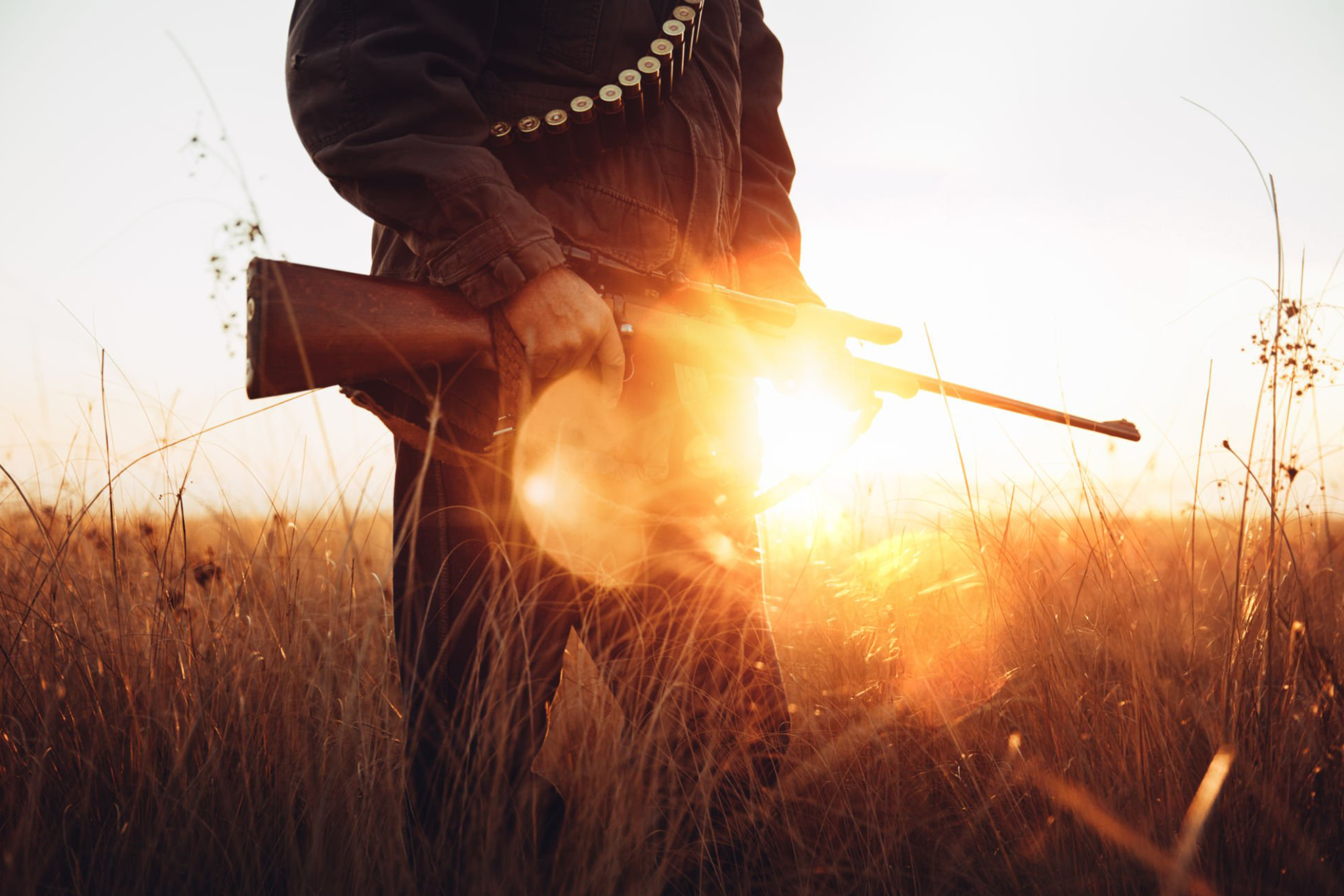
As the rut fades and winter begins to settle in, the woods take on a different kind of stillness — one that tests even the most experienced hunters. Post-rut deer are not the reckless, love-struck bucks of November; they’re wary, ghostlike, and hypersensitive to pressure. By this point in the season, every misplaced step, snapped twig, or whiff of human scent can send your quarry vanishing for good. In the post-rut woods, silence isn’t just golden — it’s your most effective weapon.
Understanding the Post-Rut Mindset
By December, bucks are worn down and hungry. The breeding drive has ended, and survival takes over. These deer shift back to feeding patterns, focusing on conserving energy and regaining body condition. However, their experiences during the rut have made them more cautious — they’ve seen hunters, heard shots, and survived near misses.
Your strategy needs to change accordingly. During the rut, aggressive tactics like calling, rattling, or decoying can pay off. Post-rut? Those same moves often spook deer instead. This is the season for patience, precision, and stealth.
Step One: Go Silent, Stay Invisible
Every sound counts in post-rut hunting. Leaves are brittle, frost amplifies footsteps, and deer have reverted to their natural instinct of fleeing at the faintest sign of danger.
- Ditch noisy gear: Check your clothing and pack for anything that rustles, clanks, or squeaks. A loose buckle or zipper can end a hunt before it begins.
- Dress for sound control: Soft, quiet fabrics like wool or brushed fleece help minimize noise when moving.
- Move like a predator: Take a few slow steps at a time, then stop and scan. Use wind or distant traffic noise to mask your movement whenever possible.
The best hunters in the post-rut woods treat silence as a discipline. The less the woods know you’re there, the higher your odds.
Step Two: Focus on Food and Cover
Post-rut deer prioritize recovery — which means food and bedding cover become critical. While does may still be feeding in open fields, mature bucks tend to hang back in security zones, moving only when they feel safe.
- Find late-season food: Look for standing corn, soybeans, acorns, or winter wheat. These are reliable sources that draw both bucks and does.
- Locate thermal bedding areas: South-facing slopes, cedar thickets, and wind-protected hollows provide warmth and safety. Bucks spend most of their daylight hours there.
- Hunt transitions: Set up along travel corridors that connect food and bedding areas, especially if the route offers good cover.
If you find the perfect combination — quiet approach, food source, and cover — you’re already halfway to success.
Step Three: Play the Wind Like a Chess Game
In late season, deer have no tolerance for scent. Their survival instinct is razor-sharp, and one whiff of human odor can end your chance for days.
- Hunt the wind religiously: Always set up downwind of where deer will travel.
- Use natural terrain: Hills, ridges, and creek bottoms can help manipulate wind flow in your favor.
- Stay mobile: If the wind shifts against you, don’t hesitate to move or abandon the setup altogether.
Remember, scent control spray and clothing help, but wind discipline is non-negotiable.
Step Four: Timing Is Everything
As winter deepens, deer movement compresses around key feeding times — primarily early morning and the last hour of daylight. Midday movement can still happen during cold snaps or snow cover when food energy is crucial.
- Capitalize on cold fronts: After a sharp temperature drop, deer feed more actively to stay warm.
- Be patient: Bucks move slower and more cautiously. Stay on stand longer than usual.
- Don’t burn out your spots: Hunt smart — rotate stands and avoid overpressuring key areas.
Step Five: Embrace the Stillness
Post-rut hunting isn’t about adrenaline-fueled chases or rattling antlers. It’s about tuning yourself to the rhythm of the winter woods — where silence, patience, and observation rule.
Sit still long enough, and you’ll begin to feel the woods change: the distant crunch of hooves in snow, the flicker of movement behind a frosted tree line, the ghostlike glide of a late-season buck.
When you finally connect, it won’t be luck — it’ll be the result of pure, practiced discipline.
Final Thoughts
In the post-rut phase, every deer that remains is educated. They’ve survived the peak hunting pressure, dodged bullets, and learned to avoid danger at all costs. Success now depends not on aggression, but on restraint.
Silence — true, deliberate silence — becomes your edge.
So the next time you enter the woods after the rut, leave the calls and rattles at home. Move with purpose, stay patient, and trust the stillness. Because in the quiet of the post-rut forest, the hunter who says the least often takes home the most.
