
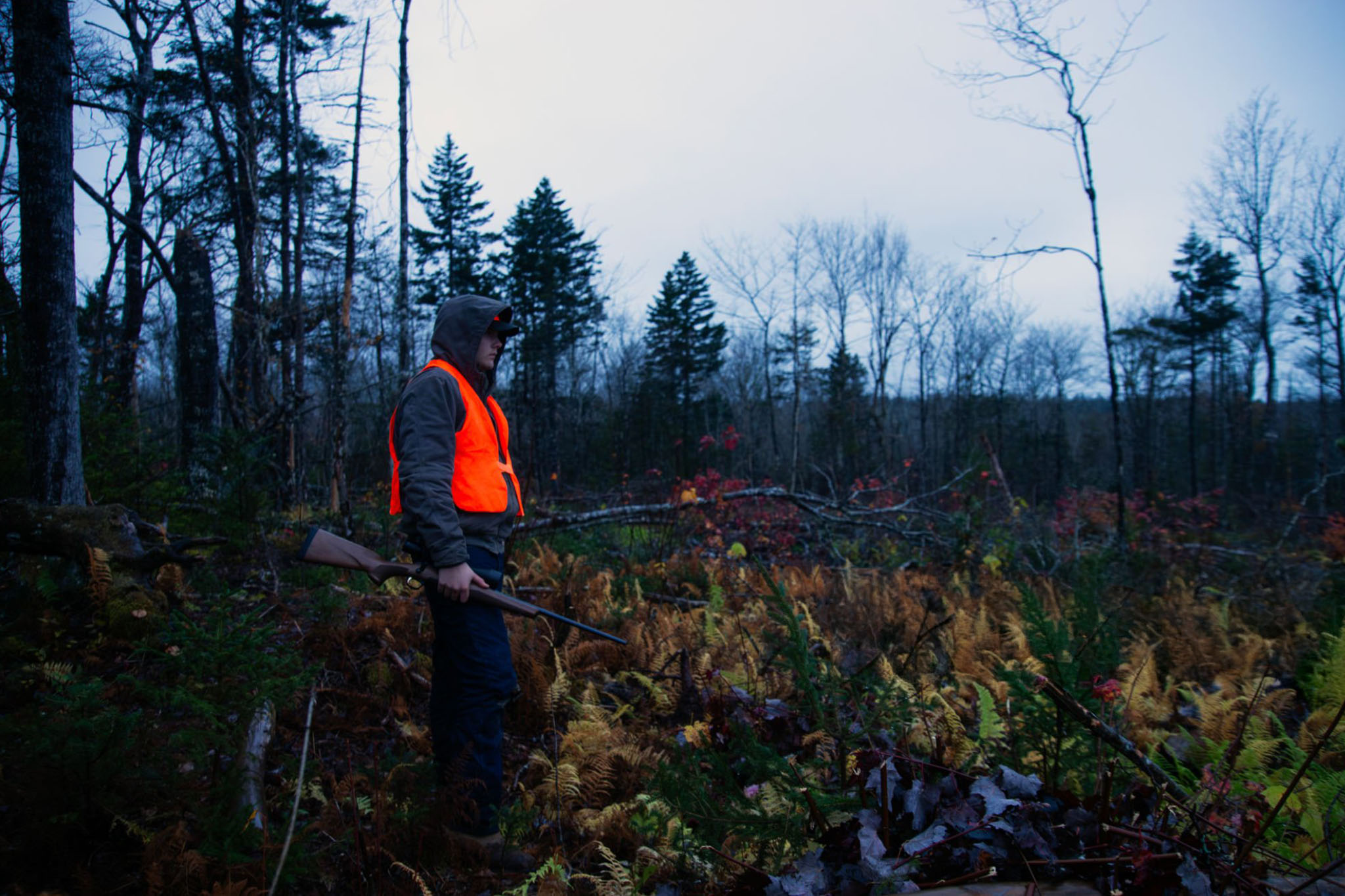
When the temperature drops and frosty mornings take over, hunters often think they’ve got the upper hand. Cold air feels “clean,” and it’s easy to assume your scent won’t carry the same way it does in the warm months. But in truth, cold weather doesn’t erase scent—it changes how it moves. Understanding this difference, and learning to use wind to your advantage, is what separates hunters who get busted from those who tag out.
In this guide, we’ll break down how scent behaves in cold air, how wind patterns shift with temperature, and how to build a foolproof scent control routine that keeps you undetected when it matters most.
1. Cold Air and Scent: What’s Really Going On
Scent control in cold weather isn’t as simple as “it’s cold, so I smell less.” In reality, scent molecules still travel—just differently. Cold air is denser, which means it holds scent closer to the ground. That’s why deer and other game can pick you off even when you think you’re downwind.
Also, temperature changes throughout the day affect how scent rises or sinks:
- Morning thermals (cold air sinking): Before sunrise, cool air drops down slopes and carries scent into valleys or creek bottoms.
- Midday thermals (warming air rising): Once the sun hits, scent starts moving uphill.
- Evening thermals (cooling air sinking again): As the day cools, scent settles back toward lower terrain.
Knowing these patterns lets you plan stand locations and entry routes with the wind—not against it.
2. Wind Awareness: Reading Nature’s Language
Wind is a hunter’s greatest ally—or worst enemy. While a steady breeze is easy to manage, shifting winds or swirling currents can ruin even the best setups.
Here’s what seasoned hunters look for:
- Consistent direction: Ideal for setting up on the edge of a bedding area or travel corridor.
- Light variable winds: Dangerous; they can spin scent in all directions.
- Thermal and terrain interaction: Hills, timberlines, and water bodies all change how air moves.
Before every hunt, use a wind checker or powder puff to visualize what’s happening in real time. Even a slight change in direction can make your carefully masked scent drift into a buck’s line of travel.
And remember—wind speed matters. A soft, 3–5 mph wind spreads scent slowly, allowing animals to pinpoint your location. A stronger, 10–15 mph wind disperses scent more widely, often making you harder to locate.
3. The Science of Staying Undetected
Every hunter emits scent—through sweat, breath, and even clothing fibers. Total elimination is impossible, but strategic control minimizes your scent footprint.
a. Start with Your Body
- Shower with scent-free soap the night before and again in the morning if possible.
- Avoid deodorants, lotions, or detergents with fragrance. Even “fresh scent” means chemical odor.
- Brush teeth with baking soda or scent-free toothpaste before heading out.
b. Your Clothing System
- Wash hunting clothes in enzyme-based, scent-free detergent.
- Store them in airtight containers or bags with leaves or dirt from your hunting area.
- Dress in the field—not in the truck—to avoid absorbing human or fuel odors.
- Consider using ozone or carbon-based scent eliminators before the hunt to neutralize lingering odor.
c. Gear and Accessories
Your bow grip, backpack straps, and gloves absorb sweat and oils easily.
- Wipe them down with scent-neutralizing wipes or spray.
- Avoid using bug spray, sunscreen, or coffee-scented gloves in the field.
4. Hunting With the Wind—Not Against It
Knowing how to read wind direction is one thing. Using it strategically is another. The goal is to position yourself where the wind carries your scent away from the animal’s path, but still allows you to intercept movement.
Smart Positioning Tips:
- Set up crosswind: So your scent blows past, not toward, the trail or feeding area.
- Avoid hunting directly downwind: Even slight wind shifts can betray you.
- Use obstacles: Hillsides, ridgelines, or creek beds can block or redirect airflow.
- Test your setup: Drop a few milkweed seeds—they float naturally and reveal thermal patterns better than powder.
When the wind starts swirling, move or reset. Staying stubborn in a bad wind is one of the biggest reasons mature deer and coyotes vanish before you even see them.
5. Managing Breath and Heat
Cold air means visible breath—and yes, even that can give you away.
Your exhaled air contains moisture, scent, and warmth—all of which alert nearby animals.
Solutions:
- Wear a face mask or neck gaiter treated with scent control spray.
- Avoid heavy breathing when walking in; pace yourself to keep heart rate down.
- On stand, breathe slowly and downward when animals are near.
Body heat also plays a role. When you sweat and cool off later, that moisture releases more odor. Layer strategically to prevent overheating during hikes in, then add insulation once you’re set up.
6. The Myth of “Cold Air Cleanliness”
Many hunters assume the crisp cold suppresses scent completely—it doesn’t. In fact, still, cold air can trap odor close to the ground and make it easier for deer to detect. On windless mornings, your scent doesn’t travel far, but it lingers longer—creating a scent pool that stays right where you don’t want it.
That’s why on calm, freezing days, it’s smart to:
- Elevate your stand higher to get above scent pools.
- Stay mobile. Adjust your setup when windless conditions persist.
- Use natural cover scents like pine needles or dirt to blend, not mask.
7. Advanced Scent-Control Additions
For serious scent-control enthusiasts, technology has caught up with instinct:
- Ozone generators: Break down scent molecules on clothing and in the air.
- Carbon-lined suits: Absorb and trap odor before it escapes.
- Portable scent containers: Keep gear odor-free between hunts.
While these tools help, they’re no substitute for wind discipline and field awareness.
8. Putting It All Together
To truly stay invisible in the field, combine scientific understanding with field instinct:
- Study thermals and wind direction before every hunt.
- Neutralize your scent from body to gear.
- Adapt in real time—if the wind shifts, so should your setup.
- Keep calm and scent-free even in the coldest conditions.
When you master these habits, you’ll notice the difference—not just in sightings, but in how close deer, ducks, and coyotes get before realizing you’re even there.
Final Thoughts
Cold air changes everything about a hunt—from animal movement to scent behavior. While you can’t erase human odor, you can control it, manage it, and work with the wind instead of fighting it. That’s how great hunters stay invisible—not through luck, but through preparation and awareness.
Because in the end, the most successful hunts often come down to one thing:
The animal never knew you were there.
