
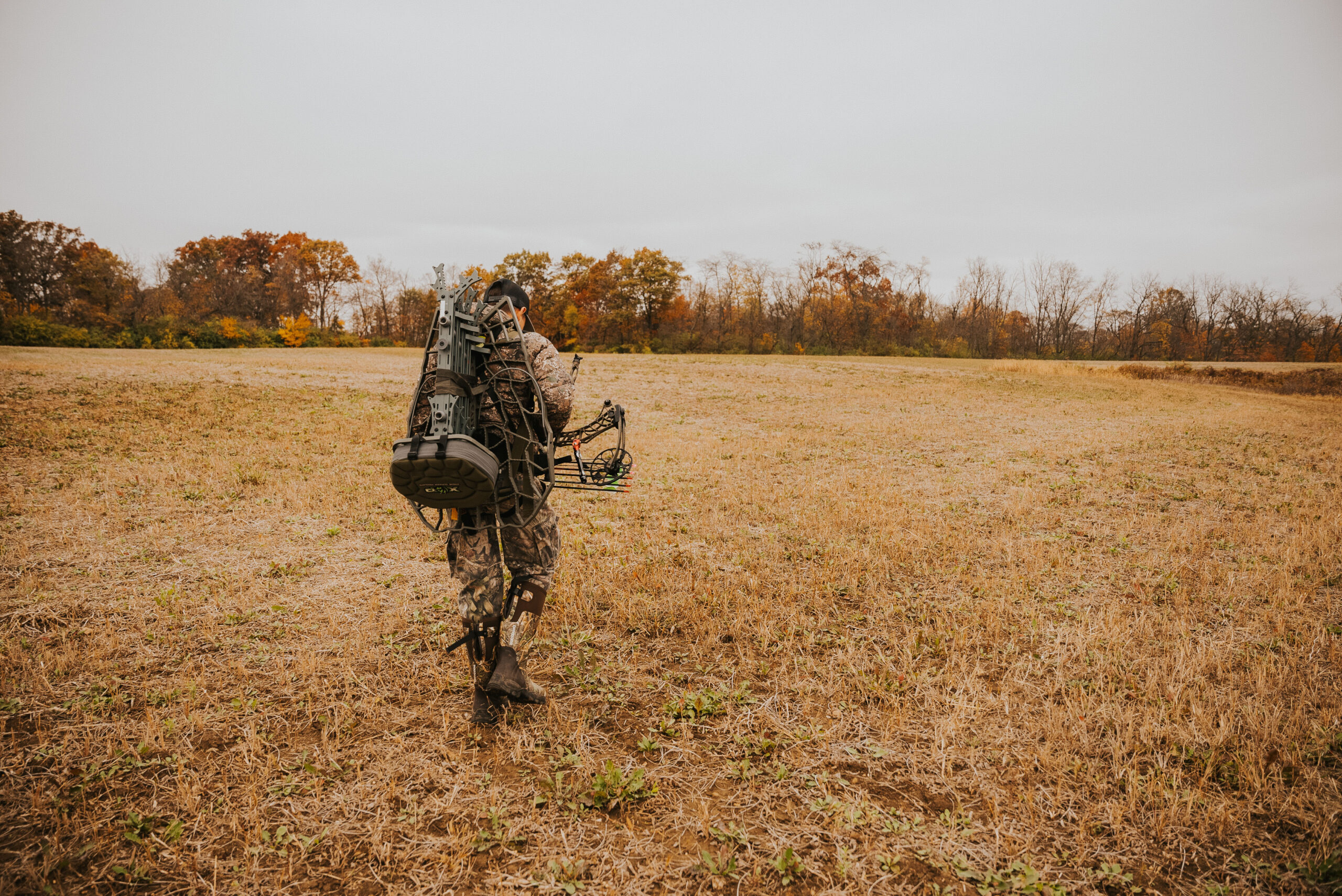
When the sun hasn’t even cracked the horizon and you’re already miles deep into the woods, food and hydration might be the last thing on your mind. But ask any seasoned hunter, and they’ll tell you: what you eat and drink during an all-day hunt can make or break your success. From keeping energy levels steady to staying sharp during those final, cold hours in the stand, proper fueling is as critical as your camo, rifle, or boots.
In this guide, we’ll break down how to fuel your body for endurance, focus, and warmth—without packing like you’re going on a week-long camping trip.
1. Understanding the Hunter’s Energy Burn
Hunting isn’t a walk in the park—it’s a slow grind of movement, stillness, and mental focus. You’re hiking uneven ground, battling the cold, hauling gear, and sometimes dragging game. That constant start-stop effort demands a mix of complex carbs for sustained energy, proteins for muscle endurance, and fats for warmth and calorie density.
According to outdoor nutritionists, an active hunter can burn anywhere from 2,500 to 4,000 calories per day, depending on temperature and terrain. That means the typical “grab a granola bar and go” strategy won’t cut it when you’re in the field from dawn till dusk.
2. Breakfast: The Foundation for Long Days
Skip the donuts and gas-station coffee. You need a slow-burning, balanced meal that primes your body for long exertion. The best hunting breakfasts are portable and energizing without being heavy.
Top Choices:
- Oatmeal with nuts, dried fruit, and honey – Complex carbs + natural sugars for long-term fuel.
- Egg wraps or breakfast burritos – A great balance of protein and carbs; easy to eat in the truck.
- Greek yogurt with granola – Quick, protein-packed, and digestion-friendly before a hike.
If you’re hunting in cold weather, add healthy fats like peanut butter or avocado—they help your body retain heat and sustain energy longer.
3. Mid-Morning Boost: Light Snacks, Big Payoff
After a few hours of sitting still or tracking through frost, your body starts burning through its reserves. A small, protein-rich snack helps maintain focus and keeps you from feeling sluggish.
Smart Field Snacks:
- Beef jerky or turkey sticks – High protein, minimal weight, long shelf life.
- Trail mix (nuts, seeds, and a bit of chocolate) – Combines quick and slow energy sources.
- Peanut butter packets or nut bars – Compact and calorie-dense.
- Dried fruit – Replenishes natural sugars and potassium lost through activity.
Avoid pure-sugar snacks like candy bars—they spike your blood sugar fast, then drop you hard when you need energy most.
4. Lunch in the Field: Simple, Packable, and Effective
Midday meals need to refuel you without slowing you down. Forget messy sandwiches or bulky coolers. Focus on compact, nutrient-dense options that keep your metabolism humming.
Field-Tested Options:
- Tortilla wraps with tuna, turkey, or venison jerky – High in protein, easy to store.
- Cheese sticks and hard-boiled eggs – Excellent sources of sustained energy and fat.
- Instant soup or ramen in a thermos – Adds warmth and hydration on cold hunts.
- Energy bars with at least 10g of protein – Great backup if you’re on the move.
Pro tip: Use vacuum-sealed bags to pack food tightly and reduce scent spread in the field.
5. Hydration: The Most Overlooked Edge
Even in cold weather, dehydration sneaks up fast. Breathing cold air, walking in layers, and drinking less water because “you’re not hot” all contribute to fatigue. Proper hydration sharpens focus, supports muscle function, and even helps regulate body temperature.
What to Drink:
- Water, first and foremost. Carry at least 2 liters for a full day.
- Electrolyte tablets or mixes – Replace sodium, magnesium, and potassium lost through sweat.
- Warm drinks – Coffee, tea, or hot cocoa in a thermos can lift morale on frigid mornings.
Avoid energy drinks or sugary sodas—they cause quick crashes and increase thirst later on.
6. Afternoon Pick-Me-Up: Sustaining Focus Until Dusk
Late afternoon is when many hunters fade—but it’s also when game often moves. A quick energy boost helps you stay alert and ready for that perfect shot.
Great Options for the Late-Day Slump:
- Apples or oranges – Natural sugar and hydration in one.
- Granola clusters or small protein bites – Steady energy without jitters.
- A small coffee or caffeinated tea – If you need a boost, just don’t overdo it.
7. Cold-Weather Additions: Fueling for Warmth
When temperatures plummet, your body burns extra calories just staying warm. This is when fats become your best friend—they burn slow and provide more than twice the calories per gram compared to carbs or protein.
Cold-Day Fuel Tips:
- Add nuts, nut butter, or cheese to every snack.
- Keep a thermos of soup or broth—the salt helps hydration and body warmth.
- Avoid alcohol, even “just a sip”—it creates false warmth but increases heat loss.
8. Evening Recovery: Recharging After the Hunt
Back at camp, recovery is key. Refuel with lean protein and carbs to rebuild muscle and prepare for the next hunt.
Best Post-Hunt Meals:
- Grilled venison or fish with rice and vegetables
- Hearty chili or stew with beans and lean meat
- Whole-grain pasta with olive oil and herbs
Finish the day with plenty of water or an electrolyte drink—rehydration speeds recovery and improves next-day endurance.
Final Thoughts: Smart Fuel, Sharper Focus
Successful hunters know that mental focus and endurance often matter more than gear or luck. By fueling your body right—from breakfast to last light—you stay sharper, calmer, and more prepared for that moment of truth. Treat your nutrition like your weapon: tuned, tested, and field-ready.
So next time you pack your bag, think beyond shells and calls. Pack the fuel that’ll carry you through the day—because no matter how skilled you are, an empty tank won’t fill a tag.
