
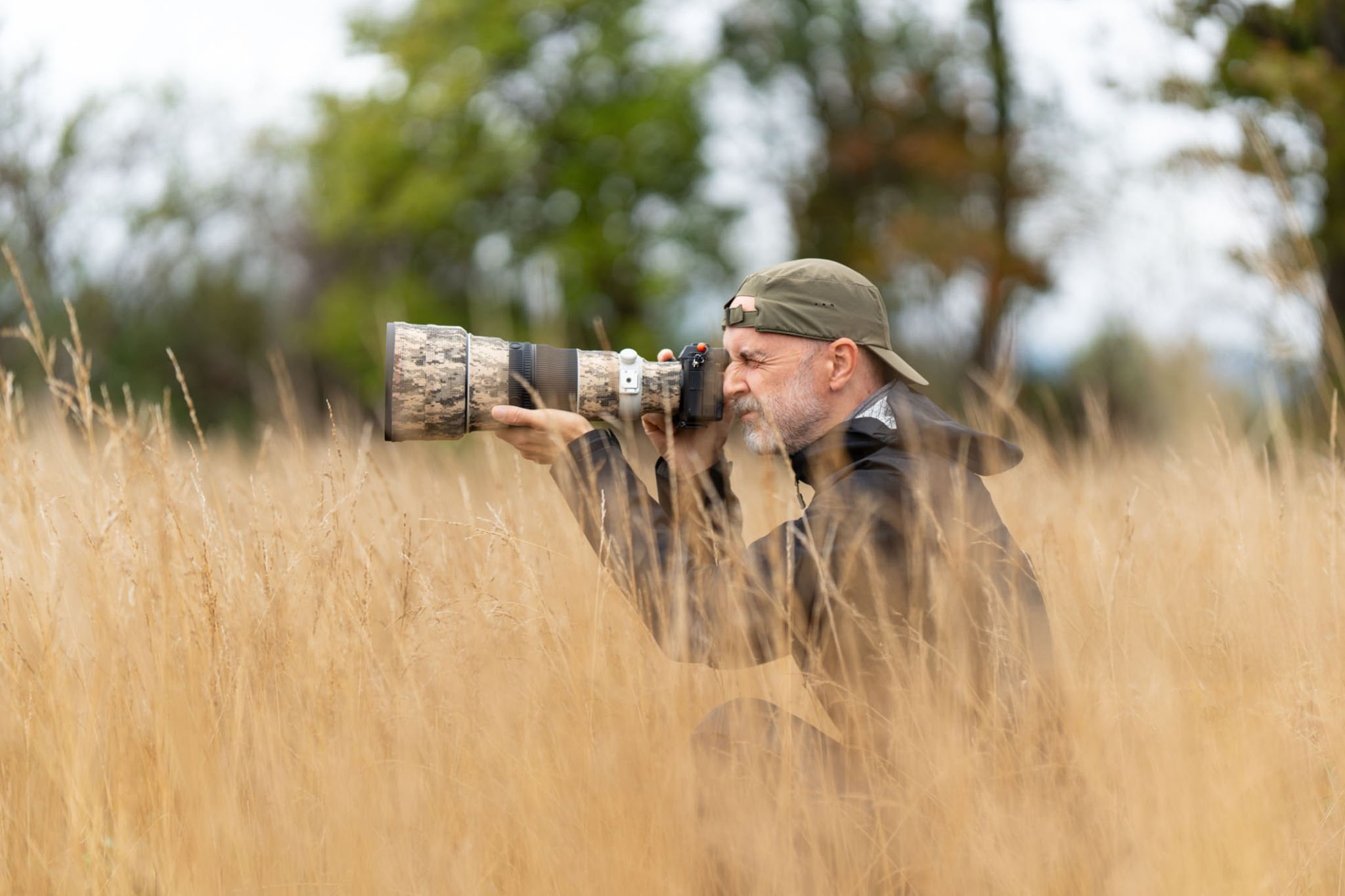
For today’s hunters, trail cameras are more than just scouting tools — they’re the eyes that never blink. From pre-dawn movement to midnight travel routes, a well-placed camera captures patterns, habits, and clues that can turn guesswork into strategy. But simply hanging cameras and scrolling through photos isn’t enough. To truly hunt smarter, not harder, you need to interpret what those images are really telling you — in real time.
This guide breaks down how to read trail cam data like a pro, understand seasonal deer behavior, and make immediate adjustments that lead to filled tags, not frustration.
The Modern Trail Cam Advantage
Technology has transformed how hunters scout. Today’s cellular trail cams deliver photos and videos straight to your phone, sometimes within seconds of detection. That means you can monitor deer patterns as they happen — adjusting your strategy day by day, even hour by hour.
But with great data comes great responsibility. Many hunters collect thousands of images but fail to see the big picture. Real trail cam mastery comes from combining images, timestamps, and environmental context to reveal why deer are doing what they do — not just where they show up.
Step One: Establish Camera Purpose and Placement
Every camera should serve a purpose. Whether you’re monitoring food sources, bedding areas, or travel corridors, placement determines what kind of information you’ll get.
1. Food Source Cameras:
Perfect for identifying feeding patterns. Place them overlooking food plots, acorn flats, or field edges. Early morning and late evening shots here reveal when deer hit food and from which direction they arrive.
2. Trail and Funnel Cameras:
Ideal for tracking travel routes between bedding and feeding. These are your pattern goldmines — they help predict timing and direction.
3. Bedding Area Cameras:
Use sparingly. They can provide incredible intel on mature buck movement, but too much intrusion risks spooking deer. Use wireless cams or set them well downwind.
4. Scrapes and Rub Lines:
During mid to late fall, these setups become powerful tools for understanding rut activity. Monitor frequency and timing to predict when bucks are cruising or checking does.
Pro Tip: Don’t just hang a cam at head height. Adjust your angle slightly downward and use natural cover to blend it in. Mature bucks notice new objects quickly.
Step Two: Reading the Clock — Timing Is Everything
A trail cam photo without time context is just a picture. But timestamp data reveals deer rhythm — the heartbeat of your hunting ground.
- Early Morning Movement (5–8 AM): Indicates feeding transitions or post-feeding travel back to bedding. Consistent morning movement near food sources suggests deer feel secure and undisturbed.
- Midday Movement (10 AM–2 PM): Often overlooked, but valuable during pre-rut or when cold fronts push deer to move longer. If bucks show during these hours, you’ve likely found a high-traffic bedding zone.
- Evening Movement (4–7 PM): The bread and butter of early and mid-season hunting. If daylight activity starts trending earlier, cold weather or hunting pressure elsewhere may be driving it.
- Night Movement: Frequent nighttime activity means deer are avoiding daylight pressure. This can tell you when to shift stands deeper into travel routes or near bedding cover.
Plotting timestamps across a week or two can show clear movement windows — the moments when you should be in your stand, not at home checking your phone.
Step Three: Decoding Behavior from Images
Beyond timing, look for posture, group size, and direction in your photos. These cues can tell you much more than just “a deer was here.”
- Head-Down Feeding: Indicates comfort and routine. Deer are relaxed, often visiting a regular food source.
- Alert Posture, Ears Forward: Deer are cautious — likely winded human scent or recently pressured. Adjust your access routes or stand location.
- Repeated Solo Buck Sightings: A sign of territorial behavior. You’re likely watching a home-range buck, especially if he appears multiple times per week.
- Bucks with Does (Late October–November): Peak rut. Monitor time stamps to predict breeding cycles and likely travel routes for other cruising males.
Also pay attention to direction of travel. A buck moving west to east at 6:30 PM several nights in a row gives you a clear pattern — one you can intercept with the right wind.
Step Four: Weather Integration — The Real-Time Factor
To interpret deer movement accurately, cross-check your camera data with weather conditions. Deer behavior responds directly to changes in temperature, barometric pressure, wind, and moon phase.
Here’s how to read it:
- Before a Cold Front: Expect an uptick in daylight photos as deer feed heavily before the storm.
- After the Front: Focus near food sources again — deer refuel once the pressure stabilizes.
- High Wind or Rain: If camera activity drops, don’t panic. Deer often move in short bursts during breaks in weather.
- Barometric Pressure Rise (above 30.0): Typically signals the best movement window.
Cellular cameras make it easy — monitor incoming images as the front rolls in and move your setup immediately when activity spikes.
Step Five: Identifying Individual Bucks
The real advantage of long-term trail cam use is building a buck profile. Track individual deer based on body structure, antler shape, and unique markings.
Once you recognize a specific buck, note:
- His entry and exit times at each location.
- The wind direction and weather when he shows.
- The days between appearances — many mature bucks follow a 3–5 day cycle within their home range.
By compiling this info over weeks, you can predict his next daylight appearance — often within a 24-hour window. That’s how trail cam intel becomes a harvest plan.
Step Six: Avoiding Data Overload
With modern cameras sending hundreds of photos daily, it’s easy to drown in data. Instead of checking every image, focus on trends:
- Filter by time of day to find daylight activity windows.
- Group by location to identify high-traffic zones.
- Use a trail cam app or spreadsheet to log date, temperature, and weather notes.
This disciplined approach lets you see patterns — not just pictures — turning random photos into actionable strategy.
Trail Cam Ethics and Best Practices
While cameras provide incredible insight, they can also disrupt deer behavior if used carelessly. Follow these simple rules:
- Limit human intrusion when setting or checking cams.
- Use scent-free gloves and approach from downwind.
- Avoid over-saturating an area with too many devices.
- Always comply with local hunting laws regarding trail cam use.
Respecting the land and the animals ensures your data stays accurate — and your hunts stay ethical.
Tech Tip: Keep Your Gear Running
Cold weather drains batteries and fogs lenses. Invest in lithium batteries for consistent performance, and use desiccant packs or silica gel to reduce moisture.
Protect your investment — and your data. A camera that dies during peak rut is more than just lost footage; it’s lost opportunity.
Gear That Keeps You in the Game
Long days checking cameras or adjusting setups require gear built for the elements. Trudave waterproof hunting boots are perfect for crossing creeks, trekking through frost-covered fields, and keeping your feet warm and dry during those pre-dawn setups. Reliable, insulated, and built for rugged terrain — they’re a silent partner in your scouting success.
Final Thoughts: Turning Intel into Action
Trail cams have revolutionized hunting, but photos alone won’t fill a tag. The hunters who excel are those who combine data with instinct — interpreting deer behavior in real time and acting decisively when opportunity knocks.
Read the signs. Watch the weather. Trust the pattern. When you learn to decode what your cameras are showing, you’re not just watching deer — you’re predicting them.
