
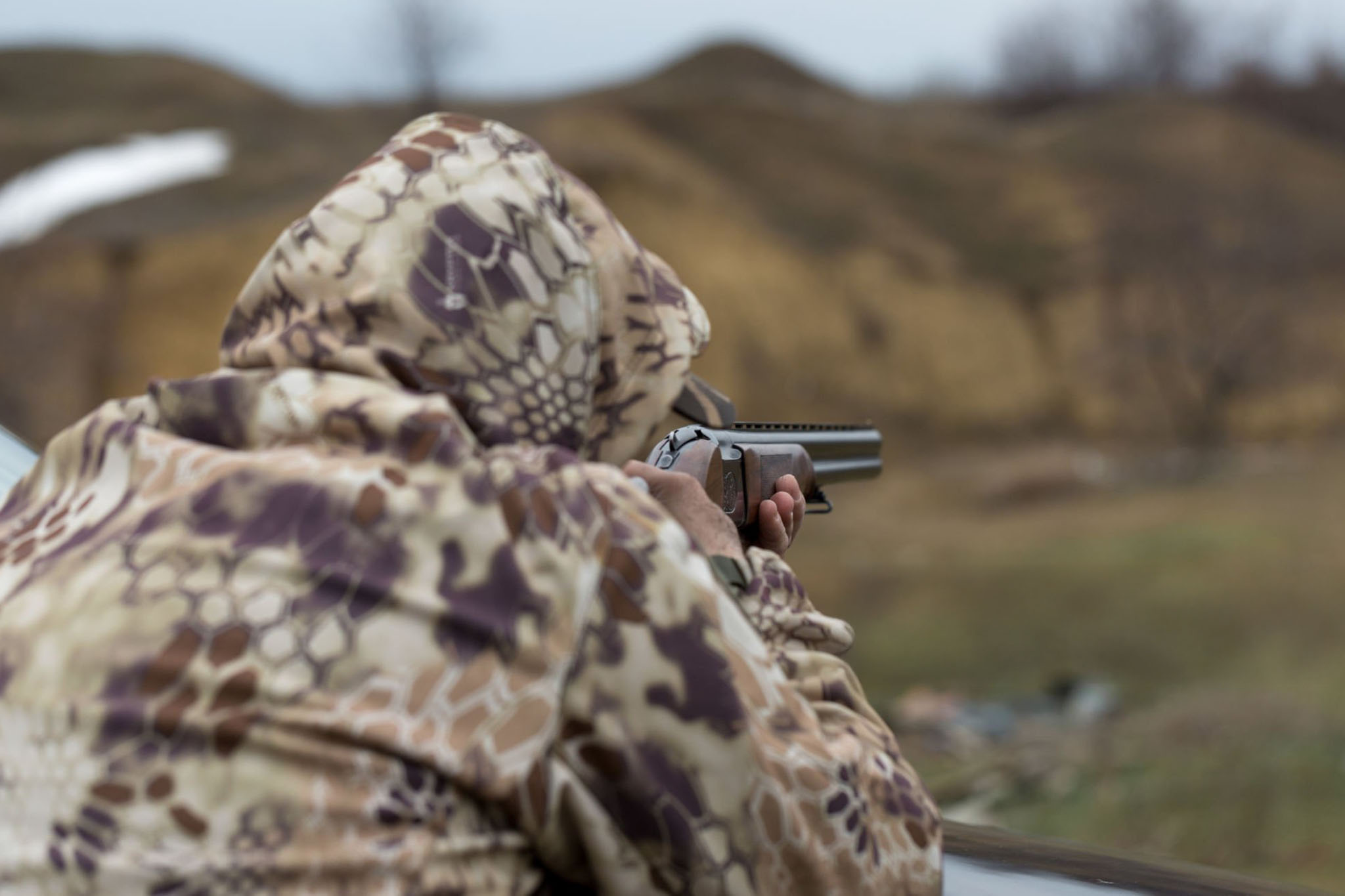
Every hunter knows the wind matters — but few truly understand how much it can make or break a hunt. Wind direction, strength, and sudden shifts can determine whether a mature buck strolls confidently into bow range or vanishes long before you ever see him. Learning to read, predict, and adapt to the wind isn’t just an advantage — it’s the difference between filling your tag and walking out empty-handed.
In this article, we’ll break down how wind shifts influence deer behavior, how you can use those changes to your advantage, and why every successful hunter must treat the wind like a living, moving part of the hunt.
🌬️ The Invisible Enemy: How Deer Use the Wind
Deer rely on their noses more than their eyes or ears. Their entire survival depends on scent detection — and they use wind and thermals with expert precision. Bucks especially, having survived multiple hunting seasons, almost always travel with the wind quartering in their favor.
When a wind shift occurs, that natural system changes — and so does deer movement. For example:
- A north wind after a front may push deer to travel on the south-facing slopes, where they can stay warmer and scent-check feeding areas.
- A sudden shift from west to east might make your perfect setup worthless if your scent cone drifts right into a bedding area you didn’t expect.
- On calm mornings with rising thermals, deer may move uphill, using the warm air to pull scents upward to their noses.
Understanding those subtle shifts lets you hunt like a deer — not against them.
🧭 Reading Wind at the Micro Level
Most hunters rely on weather apps to check the general wind direction — and that’s a good start. But what matters most isn’t the “northwest” label; it’s what the wind is actually doing where you hunt.
Terrain, temperature, and vegetation all twist and redirect airflow. A steady northwest wind at the truck could swirl or even reverse direction down in a creek bottom or on the lee side of a ridge.
Try this instead:
- Carry milkweed or a small puff bottle. These tools show you how the air truly moves through your stand site.
- Check multiple spots before committing. The wind at 10 feet off the ground can be completely different than what it’s doing at 20 feet in your stand.
- Use terrain to your advantage. Hills, dips, and timber edges can help “catch” and contain your scent, especially if you set up just below the main air current.
The more you learn your property’s wind patterns, the better your setups become season after season.
🌡️ Wind Shifts and Deer Behavior Patterns
Deer don’t just respond to the wind — they anticipate it. A shift in direction or pressure often signals a change in weather, and deer react accordingly.
- Before a Front: When the wind begins to pick up or change direction before a storm, deer often feed aggressively. This is a prime time to be in the stand.
- After a Front: As the wind settles and temperatures drop, bucks tend to move later in the day, favoring thicker cover but still checking the wind constantly.
- High Winds: When gusts hit 20–30 mph, deer often hunker down in sheltered areas like hollows, creek bottoms, or leeward ridges. Hunt those wind-blocked zones.
- Calm Evenings: When the air finally settles and thermals drop downhill, deer move with confidence, trusting their noses to detect danger below.
Each shift creates a small window of opportunity — if you understand when and where to move.
🎯 Setting Up Smart: Playing the Wind, Not Fighting It
Instead of trying to avoid the wind, use it. Mature bucks nearly always circle downwind of food sources, bedding areas, and decoys before committing. If you plan your setup correctly, you can predict that move and intercept him before he gets your scent.
Here’s how:
- Position Downwind of Trails — But Not Directly. Set your stand 20–30 yards off the main trail with a crosswind that keeps your scent just outside the deer’s path.
- Use Obstacles to “Block” Scent. Bodies of water, cliffs, or thick blowdowns can act as natural scent barriers.
- Time Your Entry. Sneak in when the wind direction keeps your scent from blowing into bedding areas — often mid-morning or during wind shifts that push your scent away.
- Have Backup Stands. If the wind switches mid-hunt, don’t fight it. Move. Smart hunters plan two or three stands for different wind directions around the same core area.
By planning setups based on wind behavior, you increase your odds dramatically — especially for mature deer that move cautiously.
🦌 When Wind Shifts Save Your Hunt
Not all wind shifts are bad news. Sometimes, a sudden change can be your best ally. For instance:
- A front-driven wind switch can push deer out of cover and into new feeding areas.
- A midday shift might make your morning setup suddenly perfect for the evening.
- A temperature drop with a new wind can spark movement among deer that have been nocturnal for days.
When you notice the forecast calling for changing winds, don’t cancel your hunt — adapt your plan. Bucks often take advantage of the same changes, especially in rut when they move with less caution but still play the wind.
🌲 Real-World Wind Wisdom
Veteran bowhunters often say, “If you think the wind’s good, check again.” That’s not paranoia — it’s experience. The difference between a close encounter and a missed opportunity is often one errant gust or unnoticed swirl.
Deer live and die by the wind. If you learn to do the same — by studying microcurrents, adjusting stand placement, and staying disciplined about scent — you’ll join the ranks of hunters who consistently fill their tags when others just see tails bounding away.
🏹 Final Thoughts
Wind isn’t the enemy — it’s information. It tells you how deer move, where they feel safe, and when your presence will go undetected. The best hunters don’t fight the wind; they flow with it.
So next time you check the forecast, don’t just glance at the arrow on your phone. Step outside, feel the air, watch the trees sway, and think like a deer. Mastering the wind is mastering the hunt — and when you do, every shift becomes a new opportunity rather than a ruined sit.
