
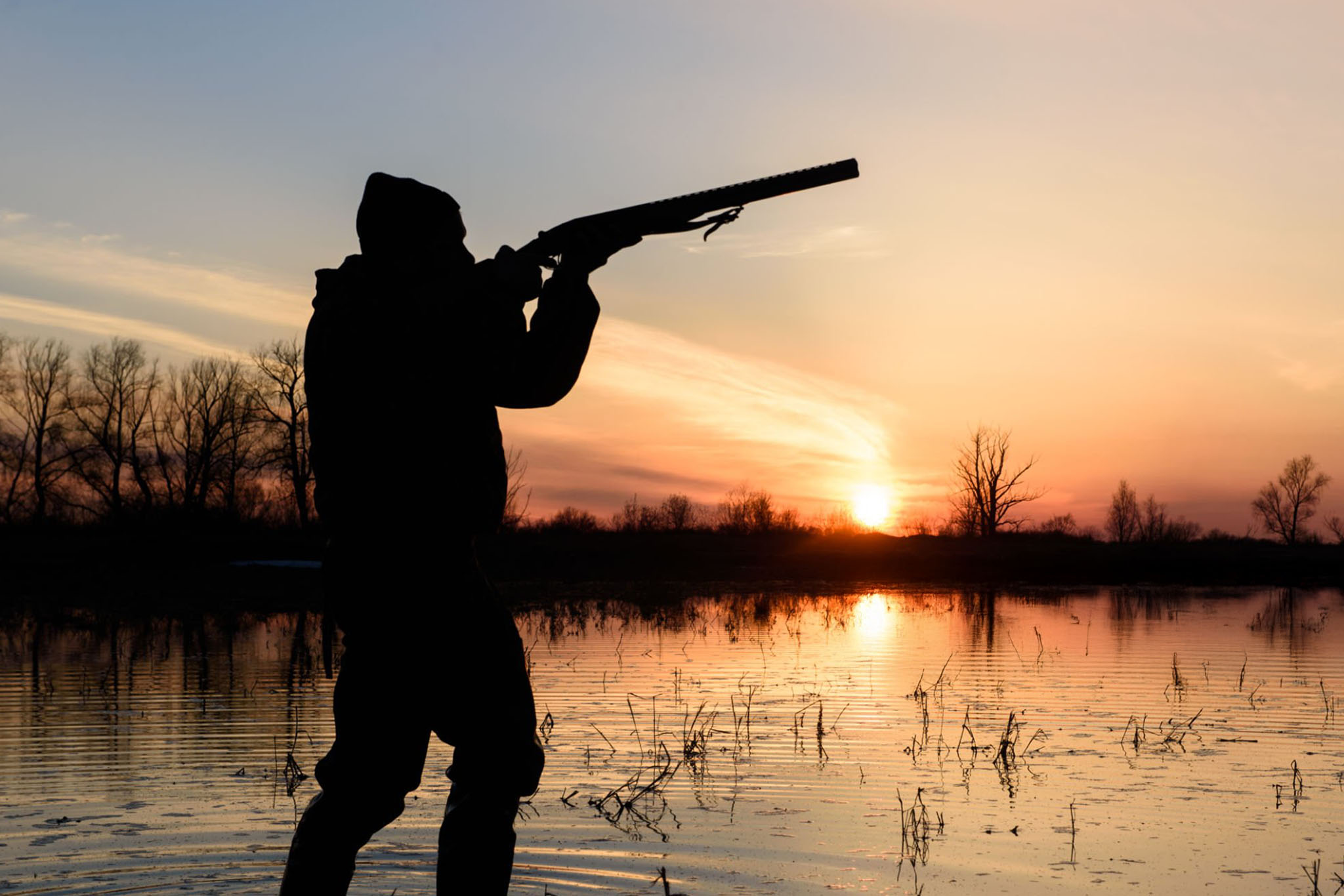
When dark clouds stack along the horizon and the wind starts to howl, every serious waterfowler feels it—the storm is coming, and with it, the migration magic that turns ordinary hunts into unforgettable ones. Cold fronts are nature’s trigger for waterfowl movement. Ducks and geese sense dropping temperatures and barometric shifts long before we do, and when those fronts roll through, they move—fast and heavy.
Hunting during a front is about more than luck. It’s about understanding bird behavior, reading weather patterns, and setting up your spread and shooting strategy to match the chaos of shifting winds and falling temperatures. If you can handle the storm, you’ll often be rewarded with the most action-packed hunts of the season.
The Science Behind the Storm Flight
When a cold front approaches, it brings strong north or northwest winds, falling temperatures, and a spike in barometric pressure once it passes. Ducks respond instinctively to these changes.
- Before the Front: Birds feed aggressively and stage in protected waters. They sense the weather shift and stock up before the flight.
- During the Front: Strong winds and precipitation push birds southward. Visibility drops, and ducks fly lower—perfect for hunters who know how to set up.
- After the Front: Skies clear, the air turns crisp, and migratory flocks pour through new regions looking for open water and food.
If you can time your hunt to overlap that transition—when the pressure starts rising and the wind’s still roaring—you’re in the sweet spot.
Choosing the Right Location
Front-driven duck movement doesn’t follow random patterns—it follows geography and survival instincts. Birds will favor areas that offer both food and safety during harsh conditions.
Key hotspots include:
- Leeward sides of lakes or rivers – Ducks seek calm water to rest from the wind.
- Flooded timber – Provides shelter, food, and low visibility for wary birds.
- Field edges with nearby water – Especially effective for mallards feeding on corn or wheat.
- Creek mouths and backwater sloughs – Offer protection and easy landing zones during heavy gusts.
If you’re hunting large open water, position yourself on the downwind shore—birds will swing into the wind as they land, putting them right in your face.
Decoy Spreads That Work in Rough Weather
Wind changes everything. Ducks flying in storm conditions want safety and company, not complexity. Simplify your spread, but make it realistic.
- Anchor Heavy: Use long lines and deep anchors to prevent drifting.
- Go with Motion: In heavy wind, natural motion sells the illusion. Spinner decoys can help—just don’t overdo it.
- Spread Wide: High winds scatter flocks. Open up your decoy spread to give birds confidence to land.
- Add Visibility: In rain or snow, visibility drops. Use brighter drakes or contrast-heavy decoys to draw attention.
A classic “J” or “V” spread with an open landing pocket facing into the wind remains a proven performer during storm fronts.
Calling in the Chaos
Calling during a front is less about finesse and more about commanding attention through noise and realism.
- Use loud hail calls to reach high-flying migrators over the wind.
- Once you get their attention, tone it down—switch to chuckles and feeding murmurs as they circle.
- Pay attention to wind gusts. Ducks can’t hear subtle calling when gusts are high, so time your calls between bursts.
When birds are fighting the wind, they’re less wary and more responsive. That’s your chance to bring them in close.
Gear Up for the Storm
The best storm hunts test your endurance as much as your shooting. Staying comfortable means staying focused.
Here’s what seasoned storm hunters rely on:
- Waterproof outerwear: A high-quality shell or waders that can handle driving rain and icy spray.
- Layer smart: Moisture-wicking base layers, insulated mid-layers, and breathable outer protection.
- Insulated gloves: You’ll need dexterity for calling and shooting, so avoid bulk.
- Face protection: Wind and sleet can burn skin; a mask or gaiter helps.
- Backup gear: Bring dry gloves, socks, and a thermos—storms don’t forgive mistakes.
Brands like Trudave and Hisea produce gear built for this exact abuse—durable, waterproof, and warm when the weather gets punishing.
Shooting Strategy: Reading the Wind and the Flock
When ducks are flying low and fast in a storm, you don’t get many second chances. Shooting in stormy conditions requires anticipation and discipline.
- Lead generously. Strong winds slow your shot pattern but not the bird’s speed.
- Stay seated until you must shoot. Movement is your biggest giveaway.
- Pick one bird. Storm flights often come in tight groups; focusing on a single target ensures better accuracy.
- Mind your footing. Wet blinds and mud can shift under recoil—stay stable.
If the wind’s strong enough to make the decoys dance, expect your shot patterns to drift. Practice shooting in wind when possible—it’ll pay off when the skies darken.
Timing the Hunt: Before, During, and After the Front
The 24-hour window around a cold front can be the most productive period of your entire season.
- Before the front: Birds feed aggressively—great for field hunts.
- During the front: Ideal for water setups; birds move low and steady.
- After the front: Clear skies bring migrators. This is when you’ll see new flocks moving in.
If you can handle the elements, hunting as the front hits is often the sweet spot. The mix of wind, low ceiling, and falling pressure keeps ducks on the move all day long.
Safety in the Storm
Storm hunts are thrilling, but they can also be dangerous. Hypothermia, capsizing, or getting stuck in rising water are real risks. Always:
- Check forecasts and wind advisories.
- Let someone know your location and ETA.
- Wear your life vest in a boat or blind near deep water.
- Keep a dry bag with essentials—lighter, phone, first-aid, and GPS.
No duck is worth risking your life. Hunt smart, not reckless.
Final Thoughts: The Storm Is the Signal
Every duck hunter dreams of that perfect day when the sky turns gray, the wind cuts from the north, and fresh birds appear from nowhere. That’s what makes storm-front hunting so electric—it’s a moment where instinct meets preparation, and you feel completely in sync with the migration.
The steel rings louder, the skies move faster, and for a few hours, the chaos of the storm becomes your greatest ally. When the next front rolls in, grab your shotgun, trust your setup, and face the wind head-on—because that’s when the real hunt begins.
