
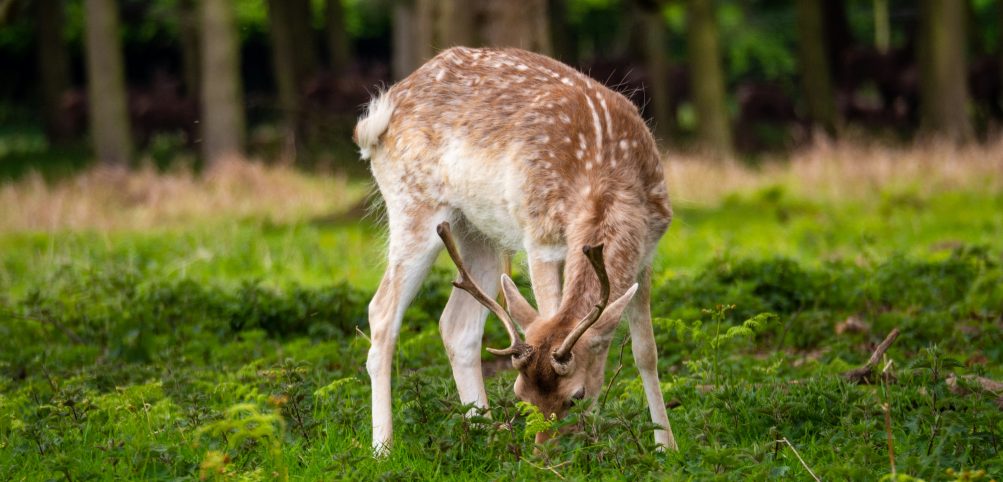
There’s something almost sacred about a still autumn morning in the pines. No wind. No rustling leaves. Just the soft hum of nature before the day wakes. For seasoned hunters, these calm days can test patience to its limits — but they’re also when mature bucks make their rare and calculated moves. Learning how to sit still, read the woods, and trust the silence can turn quiet hours into unforgettable moments in the stand.
Understanding Why Calm Days Favor Mature Bucks
When the air is still, every movement and sound carries farther. For mature bucks — those battle-scarred survivors of several hunting seasons — this means heightened caution. They rely heavily on their keen senses of smell and hearing. A single metallic click or the faintest scent of human presence can send them ghosting back into the thicket.
That’s why calm days are both a challenge and an opportunity. Deer tend to bed longer when the woods are quiet, moving only when they feel completely safe. If you know their travel routes, bedding cover, and feeding areas, these tranquil conditions can help you pinpoint where they’ll appear — and when.
Choosing the Right Setup
Hunting calm days is all about strategic placement. You can’t afford to be too close, yet too far means missed opportunities. The sweet spot? A location where scent and noise discipline are in your favor.
- Downwind Advantage: Always set up with the wind in your favor, but on windless days, thermals become your best ally. Mornings usually pull your scent downhill; afternoons push it upward. Understanding this helps you stay invisible.
- Natural Cover: Pine stands are perfect because they muffle sound and help break up your outline. Choose a shaded side of the stand where sunlight won’t silhouette your movement.
- Quiet Entry: Leave before dawn, taking soft steps and avoiding noisy gear. In still air, even the crunch of a twig can ruin your morning before it begins.
Patience is More Than Stillness
On calm days, the difference between success and frustration often comes down to your ability to wait — really wait. Mature bucks are not on your schedule. They may hold tight in cover for hours, testing the air before committing to a food source.
Here’s how to improve your patience game:
- Stay Mentally Engaged: Study the woods through your binoculars. Watch squirrels, birds, or even shifting shadows. Observing the ecosystem helps keep your senses sharp.
- Trust Your Scouting: If you’ve seen rubs, scrapes, or trail cam images in the area, the buck is still around. Don’t abandon your setup too early.
- Comfort Matters: Invest in a warm, quiet seat and layered gear. Being physically comfortable helps you remain mentally focused longer.
Reading the Woods During Stillness
Calm days amplify subtle signs of deer activity. A faint twig snap or distant hoof scrape carries farther than usual. Listening becomes your greatest weapon.
- Sound: A muffled grunt or rustle of leaves can reveal a buck moving cautiously through the timber.
- Scent: Without wind, scent detection becomes trickier, but thermals can betray you. Adjust your scent control and avoid spraying attractants that might linger unnaturally.
- Movement: In such conditions, mature bucks often appear suddenly — ghostlike — from cover. Always scan slowly and be ready.
Timing Your Shot
When the woods are dead calm, any mechanical sound — a safety click, a draw, or a release — seems amplified. Move only when the deer’s head is behind a tree or its eyes are obscured. Control your breathing and execute the shot deliberately. On calm mornings, even a small noise can mean the difference between a clean harvest and an empty tag.
Why Patience Pays Off
The best hunters don’t chase; they wait. They understand that the woods operate on nature’s time, not their own. Mature bucks didn’t get old by being reckless — and on still days, they’re at their most careful. But that’s also when they’re most predictable.
If you can blend discipline, silence, and stillness, you’ll eventually earn your reward. There’s nothing like watching a big-bodied buck step out of the pines into a shaft of morning light, unaware you’ve been there for hours — steady, patient, and ready.
Final Thought:
Hunting calm days in the pines isn’t about luck. It’s about learning to respect the stillness, trusting your preparation, and embracing the quiet moments when nothing seems to happen — because those are the moments when everything can.
