
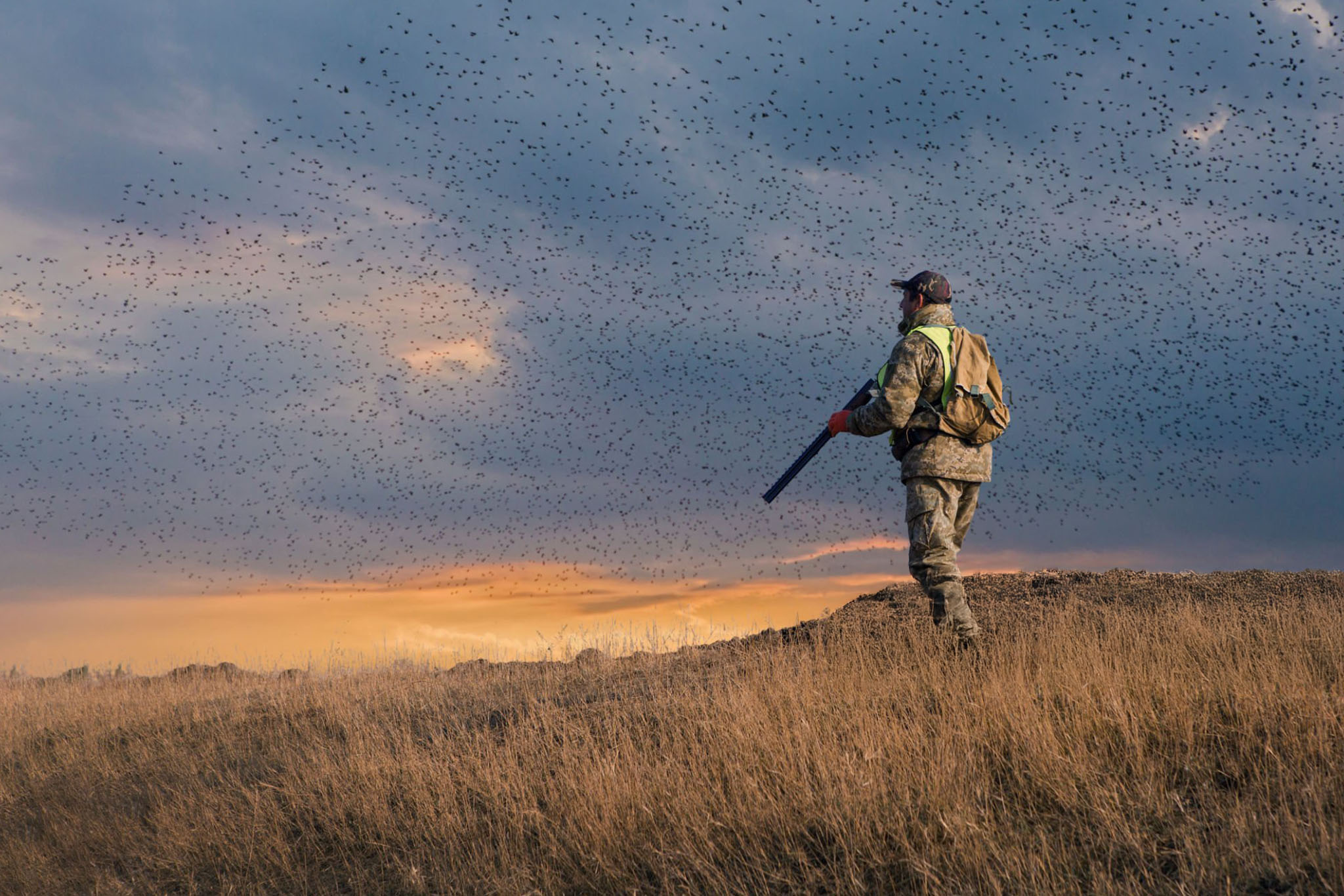
There’s something magical about snow duck hunts. The air turns silent, the world slows down, and the marsh transforms into a white canvas painted with motion. Ducks fly low through the snowfall, silhouettes cutting through gray skies — and for hunters who know how to adapt, these conditions can create some of the best shooting of the season.
Snow changes everything about duck behavior — their visibility, flight paths, and feeding urgency. To succeed when flakes start falling, you have to understand how ducks respond to sudden weather shifts and how to set up your hunt to match the moment. Here’s how to turn a snowy day into one of your most memorable hunts of the year.
The Magic of Snow Days
When the snow starts falling, waterfowl instincts shift into high gear. Ducks know that snow often signals dropping temperatures and limited feeding windows. They’ll move more during daylight hours, often in predictable bursts before and after the heaviest flakes.
But beyond weather dynamics, snow gives hunters a unique advantage — it hides movement, muffles sound, and improves concealment. Ducks see less contrast, making your blind, decoys, and movements blend seamlessly into the landscape.
In short: When snow covers the marsh, hunters disappear — and ducks get comfortable.
Understanding Duck Behavior in the Snow
Different duck species react differently to snow, and recognizing those nuances is key:
- Mallards and black ducks often fly lower and tighter during snowfall, using terrain for visibility.
- Teal and pintails may disappear during heavy snow, waiting it out until skies lighten.
- Divers like bluebills and canvasbacks remain active as long as open water remains, feeding aggressively before ice locks in.
The heavier the snow, the more ducks rely on sound and contrast. That’s why realistic calling and visible motion become critical when flakes fill the air.
Timing Is Everything
Snow hunts are all about catching the right window. Ducks move differently before, during, and after snowfall:
- Before the storm: Ducks feed heavily in anticipation of the weather. This is your time for active calling and aggressive setups.
- During light to moderate snow: Movement can be steady. Visibility drops for ducks, which helps you stay hidden — perfect for close-in shooting.
- After the storm breaks: Birds lift off roosts to stretch wings and search for open water or food. Late flights can surprise patient hunters.
Pro tip: Always check barometric pressure — falling pressure means ducks will move; rising pressure signals a slowdown.
Decoy Strategies for Snow Conditions
Snow can blanket your decoys and ruin the realism of your spread fast. The trick is to maintain contrast and movement.
- Use darker decoys — black duck, drake mallard, or coot models show up better against a white backdrop.
- Add motion: A jerk cord or spinning-wing decoy is invaluable for creating visible cues in low light.
- Keep decoys clean: Periodically shake off snow buildup so they keep their color and shape.
- Tight spreads: Ducks tend to group closer during cold and snow for warmth — mimic that behavior.
In snowy weather, a spread that looks “alive” can pull ducks from the clouds.
Blind Setup and Concealment
One of the biggest perks of snow hunting is how forgiving concealment becomes. Still, sloppy setup can ruin your chances.
- Blend naturally: Use snow-covered grass, cattails, or even white camo netting to match the environment.
- Face the wind correctly: Ducks always land into the wind — position your blind so that birds approach facing you but don’t catch your movement.
- Stay still: Snowfall amplifies even subtle motion. If you need to shift, do it when ducks are circling wide.
If you hunt from a layout blind in fields, dust it with snow to break up the outline. Avoid shiny zippers, buckles, or uncovered faces — bright contrast pops hard against snow.
Calling in the Snow: Subtle and Realistic Wins
Snow dampens sound, meaning your calls won’t carry as far as usual. Ducks also rely more on hearing than sight in poor visibility, so the rhythm and tone of your calling matter more than volume.
- Use low, rhythmic quacks and contented feeding chuckles.
- Avoid over-calling; ducks flying low in the snow don’t need long conversations.
- Listen closely — if a flock responds to a call cadence, repeat it exactly the same.
If visibility is very low, motion in your decoy spread can substitute for calling altogether — ducks home in visually on ripples and flashing wings.
Gear Essentials for Snow Hunts
Hunting in snow requires toughness — both from you and your gear. Cold, wet conditions can ruin your comfort and cut your hunt short if you’re unprepared.
Key essentials:
- Insulated waterproof waders — neoprene or heavy-duty rubber (like Trudave or Hisea models).
- Moisture-wicking base layers — cotton kills in cold hunts.
- Waterproof gloves that still allow trigger control.
- Face protection — a white balaclava or snow camo hood helps hide exposed skin.
- Anti-fog eyewear — cold mornings plus breath can cloud your vision right when birds come in.
And don’t forget a towel and thermos — dry hands and hot coffee are morale boosters when temps drop into the teens.
Safety in Freezing Conditions
Snow hunts often mean ice, slick ground, and tough conditions. A great hunt isn’t worth a dangerous mishap.
- Check ice thickness before stepping out or setting decoys.
- Bring a buddy or radio — solo snow hunts can turn risky fast.
- Mark your path to the blind in heavy snow to avoid losing orientation in low visibility.
Always prioritize safety — the best hunts are the ones you come back from to tell the story.
Post-Snow Opportunities
When the snow finally clears, the marsh can explode with life. Ducks grounded by the storm will fly heavily once skies brighten. These post-snow flights can produce fast-paced, chaotic hunts with ducks bombing in from high altitudes.
Stay ready — keep your decoys visible, freshen your calling, and wait for that burst of motion after the calm. Many seasoned hunters swear their biggest limits come right after the flakes stop falling.
Final Thoughts
Snow transforms the landscape — and your hunt. It tests preparation, patience, and gear, but it rewards those who understand how ducks respond to shifting weather.
From the whisper of wings through falling flakes to the echo of a shotgun across frozen water, snow hunts capture what makes waterfowling so special: raw nature, challenge, and beauty in motion.
When the forecast calls for snow, don’t stay home — break the sky and be there when the storm brings the ducks low.
