
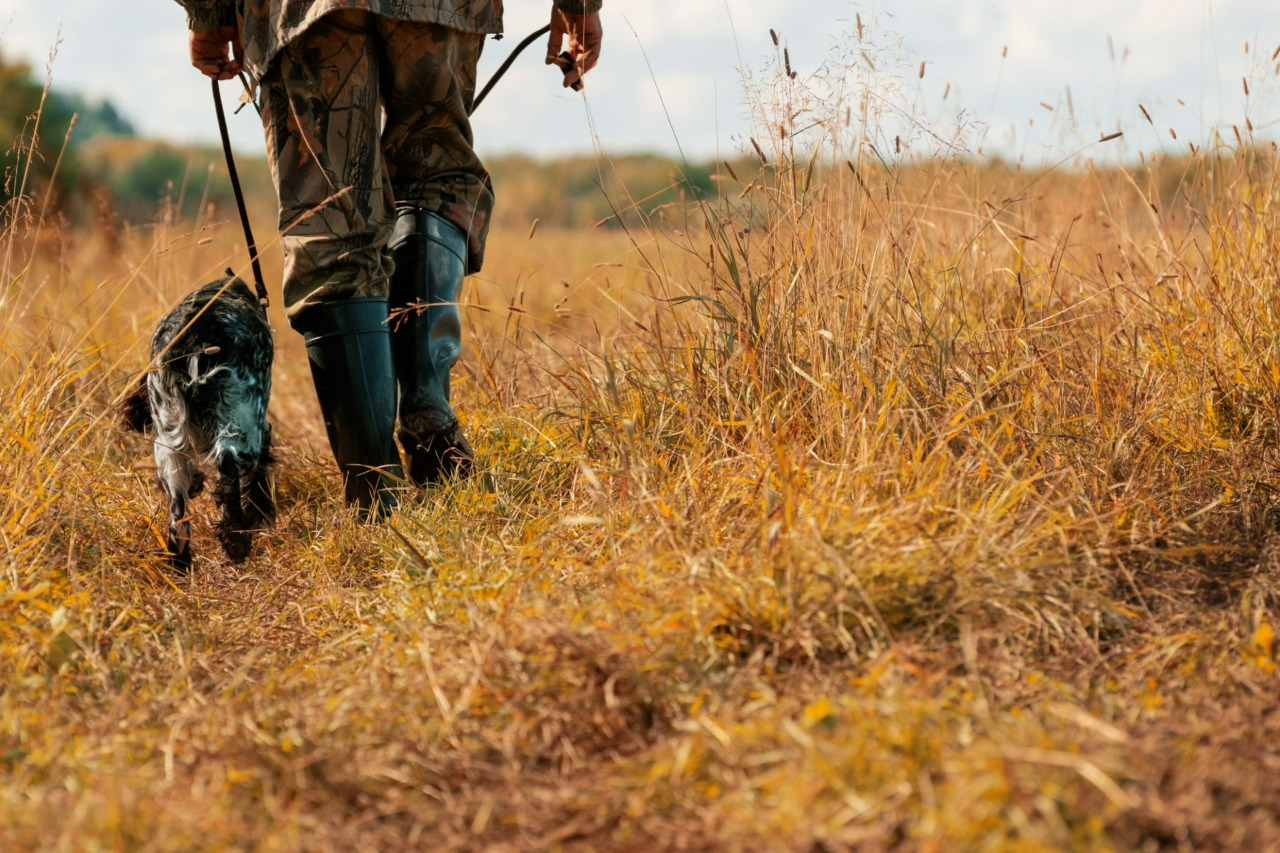
For many hunters, public land represents both opportunity and challenge. Millions of acres of open country stretch across America — from Midwestern prairies to Appalachian hardwoods — all waiting to be explored. Yet, with that freedom comes the inevitable: hunting pressure. As more hunters take to these accessible lands each fall, deer grow wary, ducks shift patterns, and elk retreat to the most unreachable corners. Success on public land isn’t just about endurance — it’s about strategy, timing, and understanding how to find solitude where others overlook it.
Understanding Hunting Pressure on Public Land
Hunting pressure changes everything. Animals that might move freely in the pre-season vanish as soon as boot tracks and ATV noise hit the woods. Deer go nocturnal, turkeys stop gobbling, and ducks refuse to land in open water.
To beat pressure, you need to think like pressured game. That means:
- Avoiding the obvious access points. Most hunters park at trailheads and walk in less than a mile. Animals quickly learn this pattern.
- Reading the terrain differently. Whitetails, elk, and turkeys often shift to pockets of cover that are tough to reach — swamps, steep ridges, or tangled thickets.
- Hunting off-hours. Midday hunts and weekday mornings see far fewer hunters and more relaxed animal behavior.
Pro Tip: A pressured deer isn’t gone — it’s just hiding closer than you think. Sometimes, they bed within 200 yards of high-traffic areas, relying on human scent trails to predict danger.
Scouting Smarter, Not Harder
Modern mapping tools have changed the way hunters scout public land. Apps like OnX, HuntStand, and GoHunt allow you to visualize boundaries, elevation, and even hunter pressure through satellite overlays.
When scouting:
- Start digital. Identify potential pinch points, hidden valleys, or secluded water sources.
- Confirm on foot. Digital maps can’t reveal boot tracks, old blinds, or fresh sign. Walk the land before season to verify what’s real.
- Look for overlooked access. Some parcels have side roads, easements, or river corridors that most hunters ignore.
If you can cross a shallow creek or climb a steep hill others won’t, you’ll often find game that hasn’t been disturbed in weeks.
Finding Solitude: Go Where Comfort Ends
The best hunting on public land usually begins where comfort ends. This might mean a predawn paddle across a foggy lake, a two-mile hike through thick brush, or sitting in a stand all day while others head back for lunch.
Wildlife on public land survive by learning hunter habits — and your goal is to break them.
- Get deeper or higher: Elevation often separates the determined from the casual.
- Use water routes: Access by canoe, kayak, or wading can put you into untouched terrain.
- Hunt the edges of no-man’s-land: Spots between two heavily hunted zones can create travel corridors for game moving under pressure.
Example: In whitetail country, the strip of cover between a parking lot and a busy road might hold more deer than the back forty. These “overlooked zones” can be gold for patient hunters.
Adjusting Your Tactics for Pressured Game
Public-land animals behave differently. They’re hyper-aware of human scent, sound, and patterns. You need to adapt your tactics accordingly:
- Stay mobile. Don’t overhunt one stand or blind. Move with fresh sign.
- Minimize noise and scent. Use wind direction to your advantage, and avoid talking or clanking gear.
- Use minimal calling. Overcalling educates game quickly. Let curiosity, not confusion, bring them in.
- Capitalize on weather shifts. Cold fronts, rain, or snow can reset animal movement and wash away scent trails.
A hang-and-hunt setup (carrying a lightweight stand and setting it fresh each time) is one of the most effective methods for pressured deer or turkey on public land.
Timing the Hunt: When Pressure Works for You
The early days of a season often bring the heaviest crowds. If you’re willing to wait, mid- to late-season hunts can provide surprising solitude. By then, many hunters have tagged out or given up. Game movements normalize, and with colder weather, your scent control improves naturally.
Alternatively, hunting during adverse conditions — freezing rain, high winds, or even light snow — can give you the woods almost entirely to yourself. Animals still need to feed, and your quiet approach can go unnoticed.
Pro Tip: Arrive earlier than everyone else — or stay later. Some of the best encounters happen right after legal shooting light begins or just before it ends, when other hunters are walking out.
Respecting the Land and Fellow Hunters
Public lands belong to everyone, and with that comes responsibility. Be courteous when encountering other hunters, and avoid crowding or cutting off someone’s spot. Pick up trash, follow posted regulations, and report violations when necessary.
Leave the land better than you found it — because the future of public hunting depends on respect and stewardship.
Essential Gear for Public-Land Solitude
When hunting deep or remote areas, your gear needs to balance mobility, durability, and safety:
- Lightweight tree stand or saddle system
- Mapping GPS app with offline mode
- Waterproof boots (like Trudave or Hisea waders for wet terrain)
- Compact headlamp with red light mode
- Portable water and high-calorie snacks
- Emergency beacon or offline communicator
Every ounce matters when trekking miles into rugged public ground. Pack smart, and always let someone know your location before heading out.
Final Thoughts
Hunting public land isn’t easy — and that’s exactly why it’s rewarding. It demands patience, creativity, and grit. Every encounter with wild game out there feels earned, not given. When you finally connect on a mature buck, bull, or tom deep in the timber, you’ll know it happened not because of luck, but because you out-thought both the animals and the crowds.
So this season, lace up, push farther, and seek the quiet corners others overlook. True solitude — and true hunting success — still exists out there. You just have to go find it.
