
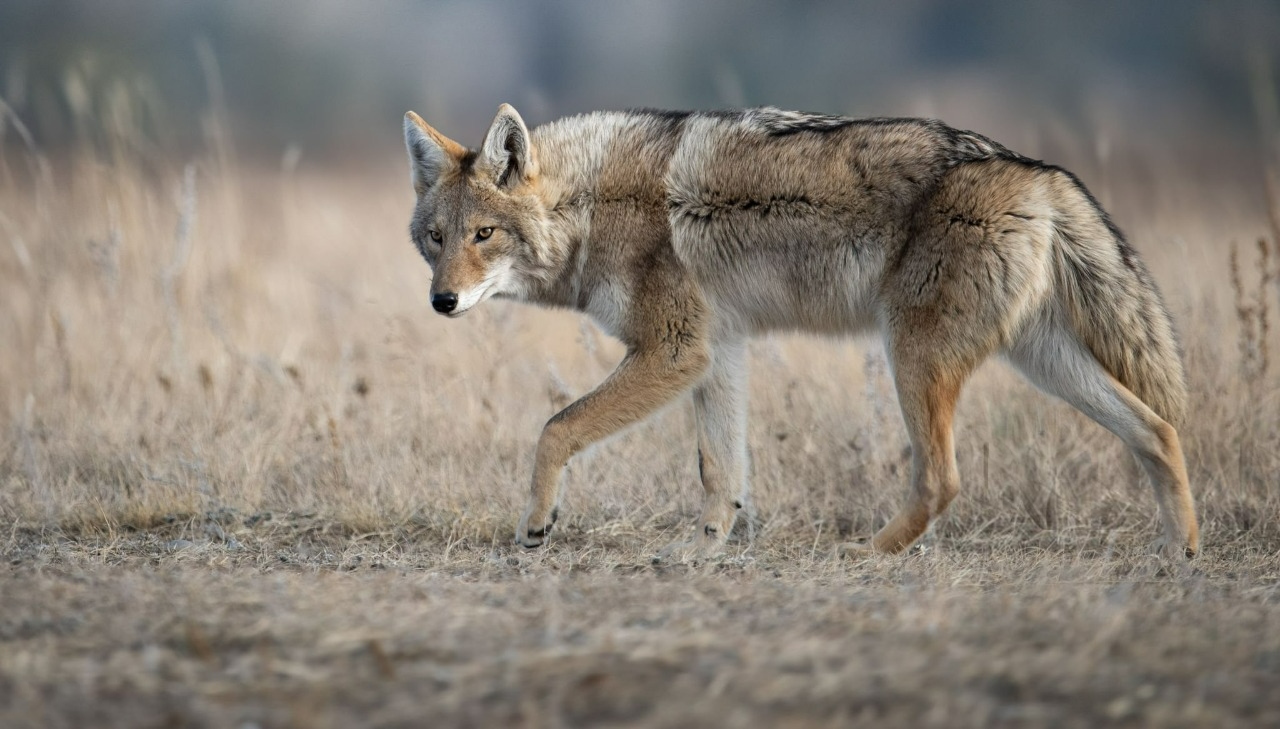
When the sun dips below the horizon and frost begins to bite the air, a different world awakens — one ruled by sharp eyes, keener senses, and the haunting calls of coyotes. Hunting these clever predators after dark requires more than a good rifle and luck; it’s about understanding behavior, reading conditions, and mastering the night itself. As temperatures drop and the nights stretch longer, late-season coyote hunting becomes a rewarding challenge for any predator hunter.
Understanding Coyote Behavior in Cold Conditions
Cold, crisp nights change how coyotes move. During early fall, they may roam widely in search of easy meals, but by late fall and early winter, coyotes adjust their routines for energy conservation.
They hunt more efficiently, moving along fencelines, creek bottoms, and field edges where small prey still moves. Their heightened caution means hunters must think like a predator, anticipating both wind and sound.
Pro Tip: On frosty nights, coyotes often follow livestock trails or bedding areas for warmth and scent. Focus your setups near these corridors during moonlit hours for higher visibility and movement.
Setting Up for Success: Location Matters
Picking the right spot is half the battle. Coyotes are territorial, but they’re also opportunistic. In open country, try rolling hills, cut cornfields, or edges near timber where sound can carry but your silhouette won’t stand out.
If you’re hunting in heavy cover or broken terrain, consider setting up near open clearings that allow for visibility and a safe shooting lane.
Use elevated positions — ridges, hay bales, or even truck beds — to gain a clear line of sight and avoid being winded.
Wind direction is everything. Coyotes almost always circle downwind before closing in. Always set up so your call draws them across your shooting lane — not behind you.
Gear That Wins the Night
Modern predator hunters have an arsenal built for low-light conditions. Whether you’re running thermal optics, night vision scopes, or red light setups, investing in quality gear will drastically increase your success rate.
- Thermal Imaging: Excellent for detecting movement through brush or fog. Even a warm breath on a cold night will glow like a beacon.
- Red or Green Lights: Ideal for scanning fields without spooking animals. Red is best for open country; green offers better contrast in wooded areas.
- Electronic Calls: Prey distress sounds or coyote howls can be incredibly effective, but overuse can educate them quickly. Mix up your sequences and volume to stay unpredictable.
Bonus Tip: Keep batteries warm in your jacket pocket — cold drains them fast.
Sound Strategy: Calling Coyotes Smartly
Calling after dark is an art. Too loud, and you risk pushing coyotes away. Too soft, and they’ll never hear you. Start each stand quietly for the first few minutes, then gradually increase intensity.
Call Types to Rotate:
- Distress calls (cottontail, vole, bird) — great for early-season hunts.
- Howls and challenge barks — effective for territorial coyotes late in the year.
- Pup distress — perfect during breeding season when adults are protective.
Watch for silent approachers. Many coyotes won’t vocalize back but will circle in quietly. Stay alert and scan constantly.
Dress Right and Stay Still
Night hunting in crisp weather means battling both cold and condensation. Dress in quiet, insulated clothing that won’t rustle when you shift. Wool layers and waterproof boots are essential, especially if you’ll be sitting for long periods.
Your scent control matters too — even in freezing temps. Coyotes’ noses don’t take a night off. Wash clothes in scent-free detergent and store them outside your vehicle before the hunt.
Timing the Night
Coyotes are most active during the first few hours after sunset and the pre-dawn period. On moonlit nights, visibility improves, and coyotes may roam farther from cover. When the moon is dark or overcast, they rely more on scent, making downwind setups crucial.
Weather plays a role too:
- Calm, cold nights — sound carries farther, and coyotes respond better to calls.
- Windy nights — they hunker down in sheltered areas; move in closer.
- After a storm — coyotes are hungry and more aggressive.
Final Thoughts
Hunting coyotes after dark is both a test of patience and precision. It’s not about taking the first shot opportunity — it’s about waiting for the right one. Understanding how they move in cold conditions, controlling your scent, and mastering sound discipline are what separate average hunters from consistent predator takers.
When frost covers the fields and breath hangs in the air, the night becomes alive with challenge and possibility. Grab your gear, steady your call, and remember — out there in the cold moonlight, every shadow could be a set of eyes watching you back.
