
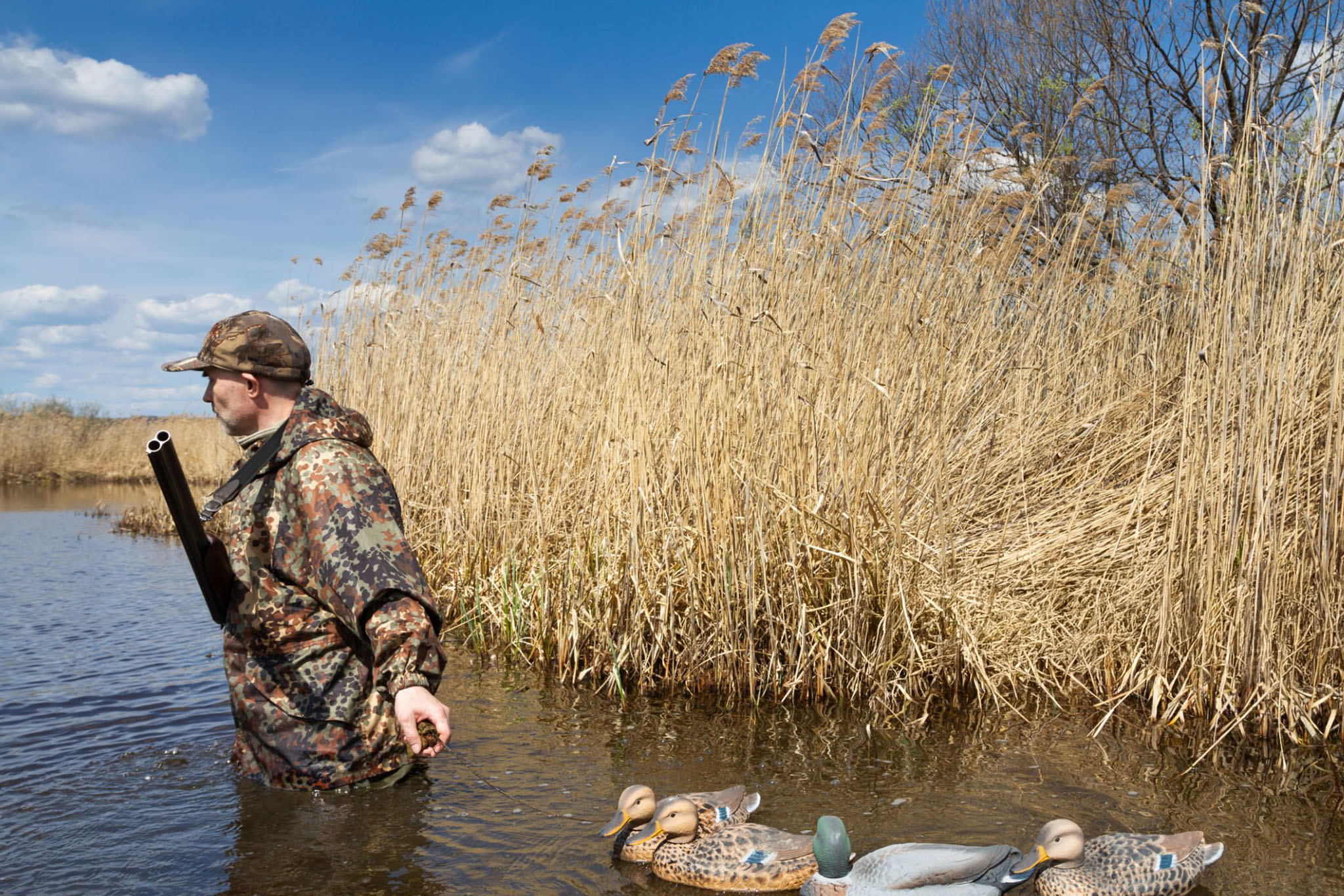
For waterfowl hunters, no sound stirs the soul quite like the distant calls of migrating ducks carried on a cold north wind. As fall weather patterns shift, those steady gusts from the north signal one thing: birds are on the move. Understanding how migration weather impacts duck behavior can transform your hunting season from hit-or-miss to consistently productive.
Why North Winds Trigger Migration
Ducks are highly attuned to seasonal changes. As daylight shortens and northern temperatures drop, waterfowl begin their southward journey along traditional flyways.
- Temperature drops: Cold fronts push birds out of northern breeding grounds as food and open water become scarce.
- Tailwinds: Ducks take advantage of strong north winds to conserve energy on long flights. These conditions often create “migration days” when flocks appear seemingly overnight.
- Barometric pressure: Rapid changes in pressure often precede or accompany bird movement. Watch for a falling barometer before a front and rising pressure right after—it often signals fresh arrivals.
Timing Your Hunts Around Weather Patterns
Savvy hunters don’t just watch the calendar—they watch the weather. Migration hunts are all about striking when conditions align.
- The day after the front: Birds often migrate during the night of a strong north wind, meaning fresh ducks are on the marsh at first light.
- Stacked fronts: When consecutive cold fronts roll in, hunting pressure resets as new groups replace older, educated flocks.
- Midday movement: Not all ducks fly at dawn. During strong winds, some birds shift later in the day, giving afternoon hunts surprising productivity.
Reading the Sky and the Radar
Today’s hunter has more tools than ever to predict movement.
- Weather apps: Look for sustained north winds of 10–20 mph combined with dropping temperatures.
- Radar tracking: Bird migration often shows up on weather radar as large, moving clusters.
- Moon phases: Full moon nights often encourage longer migrations, bringing fresh birds into your area by morning.
Setting Up for Success in Migration Weather
Catching the flight is only half the battle—you also need the right setup.
- Open water spreads: Migrating ducks respond to large, visible decoy spreads in open areas, mimicking rest stops.
- Motion decoys: Wind-driven spinners or jerk rigs add realism that passing flocks can’t resist.
- Calling strategies: Fresh migrators are typically less wary. Aggressive calling can turn high-flyers into committed birds.
- Hide smart: With new ducks in the area, hunters sometimes get away with less-than-perfect concealment, but staying brushed in always increases success.
Patience and Persistence
Not every north wind guarantees a migration push, but when the stars align, the action can be unforgettable. Some of the best hunts happen after hours of watching empty skies—until suddenly, wave after wave of ducks materialize from the horizon.
Final Thoughts
For waterfowl hunters, understanding migration weather is as important as knowing your shotgun or decoy spread. When the north winds blow and the air turns sharp, keep your gear ready. Those gusts are nature’s signal that new birds are on the move—and if you’re there waiting, the hunt of the season might be just around the bend.
