
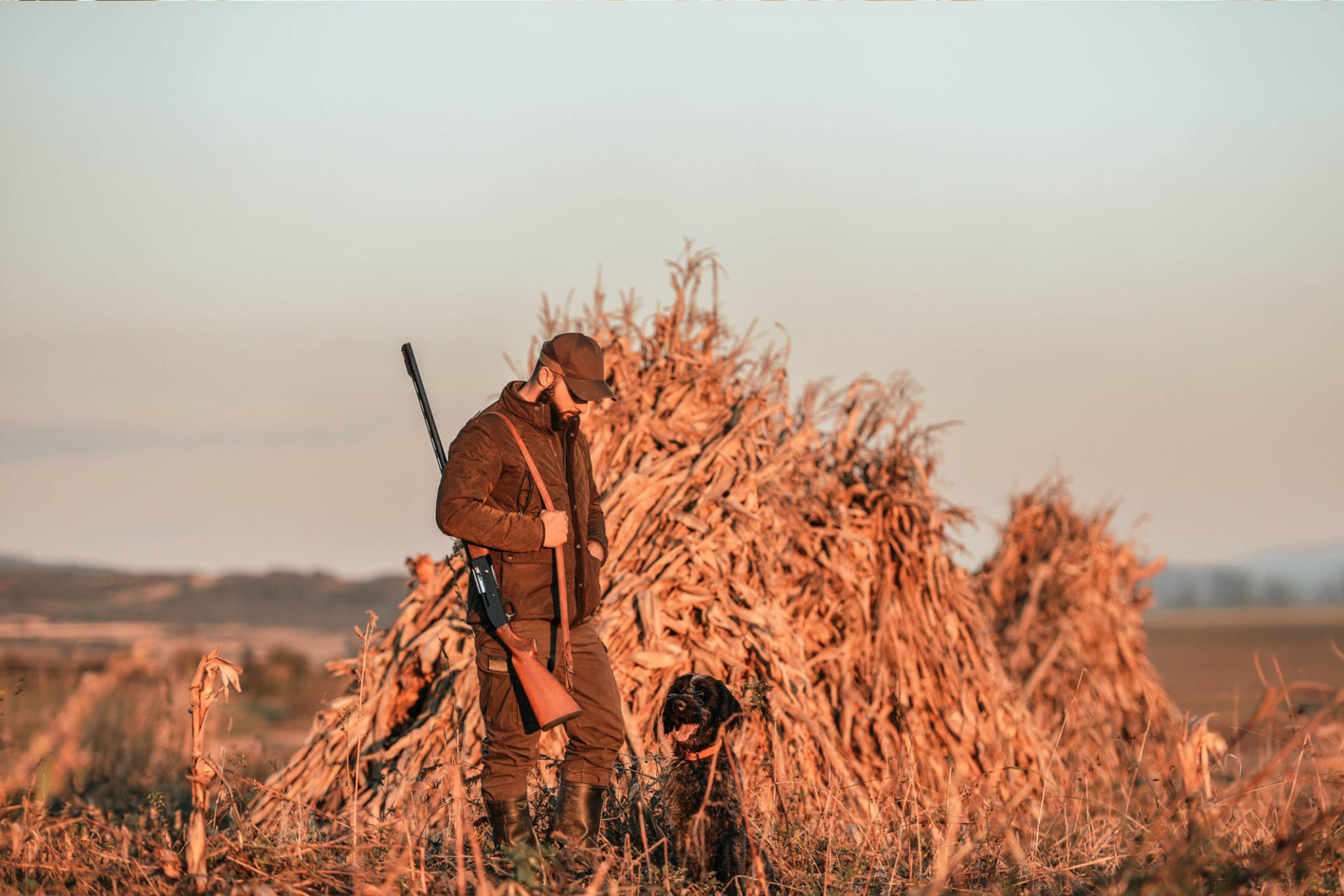
A well-planned ambush hunt isn’t about luck—it’s about stacking the odds in your favor by understanding wind, choosing the right cover, and having the patience to let the situation unfold. Whether you’re hunting whitetails slipping through timber edges, elk moving along ridgelines, or turkeys in hardwood bottoms, the core principles of a successful ambush are the same: stay hidden, stay scent-free, and stay still.
The Role of Wind: Your Silent Partner
No factor dictates your ambush success more than the wind. Deer and most other big-game animals live and die by their noses. If they catch a whiff of you, the hunt is over.
- Hunt the wind, not the calendar. Even if it’s prime rut, you’re wasting time if the wind is wrong for your setup.
- Crosswinds are ideal. A steady crosswind carries your scent away from the animal’s travel corridor, letting you stay undetected.
- Use thermals. In mornings, rising thermals lift scent upward, while evening thermals sink downhill. Factor this into where you sit.
Smart hunters carry a small bottle of wind checker powder or even milkweed fluff to constantly test shifting breezes. Positioning yourself with wind in mind is the foundation of any ambush.
Cover: Blending Into the Landscape
Ambush hunting isn’t about being invisible—it’s about looking like you belong. The right cover can turn an exposed hunter into part of the environment.
- Natural backdrops. Trees, brush piles, or rocky outcrops break up your outline. Always sit with something solid behind you.
- Brush-ins for blinds. Ground blinds shine when brushed in with local vegetation. A black box in an open field is a red flag to wary game.
- Elevated stands. Treestands eliminate some cover concerns, but breaking up your silhouette with limbs or foliage still helps.
- Quiet ground cover. Avoid setups with crunchy leaves or frozen twigs at your feet. One wrong move can ruin hours of patience.
Patience: The Hardest Skill to Master
Even with perfect wind and flawless cover, success requires stillness and time. Impatience is the downfall of many hunters.
- Commit to the sit. An ambush setup may require several hours of motionless waiting. Bring a comfortable seat, hand warmers, or snacks to stay focused.
- Trust the setup. If you’ve scouted well and the sign is there—tracks, rubs, droppings—believe in your ambush and resist the urge to move.
- Let them make the mistake. Don’t force a shot at long range or poor angles. The power of an ambush is letting animals come into your zone naturally.
Scouting: Choosing the Ambush Location
Before wind and cover even come into play, scouting determines where you should ambush.
- Travel corridors. Funnels, saddles, creek crossings, and fencerows are high-traffic areas that concentrate movement.
- Food-to-bed routes. Deer especially travel predictably between bedding cover and feeding areas—perfect ambush opportunities.
- Sign confirmation. Fresh tracks, droppings, or scrapes confirm that your chosen ambush site is active.
Gear Considerations for Ambush Hunts
- Quiet clothing. Brush against cover often, so avoid noisy fabrics.
- Layered clothing. Staying still means staying warm. Dress in layers you can adjust without fidgeting.
- Compact weapons. Rifles, shotguns, or bows that are easy to maneuver in tight cover prevent unwanted noise.
Final Thoughts
Ambush hunting is about discipline. It’s not chasing, calling, or running and gunning—it’s playing chess with animals that have every sensory advantage over you. By mastering the trifecta of wind, cover, and patience, you create a setup where the animal makes the mistake, not you.
When the woods grow quiet and the air sharpens with autumn frost, the hunter who respects these fundamentals is the one who turns waiting into success.
