
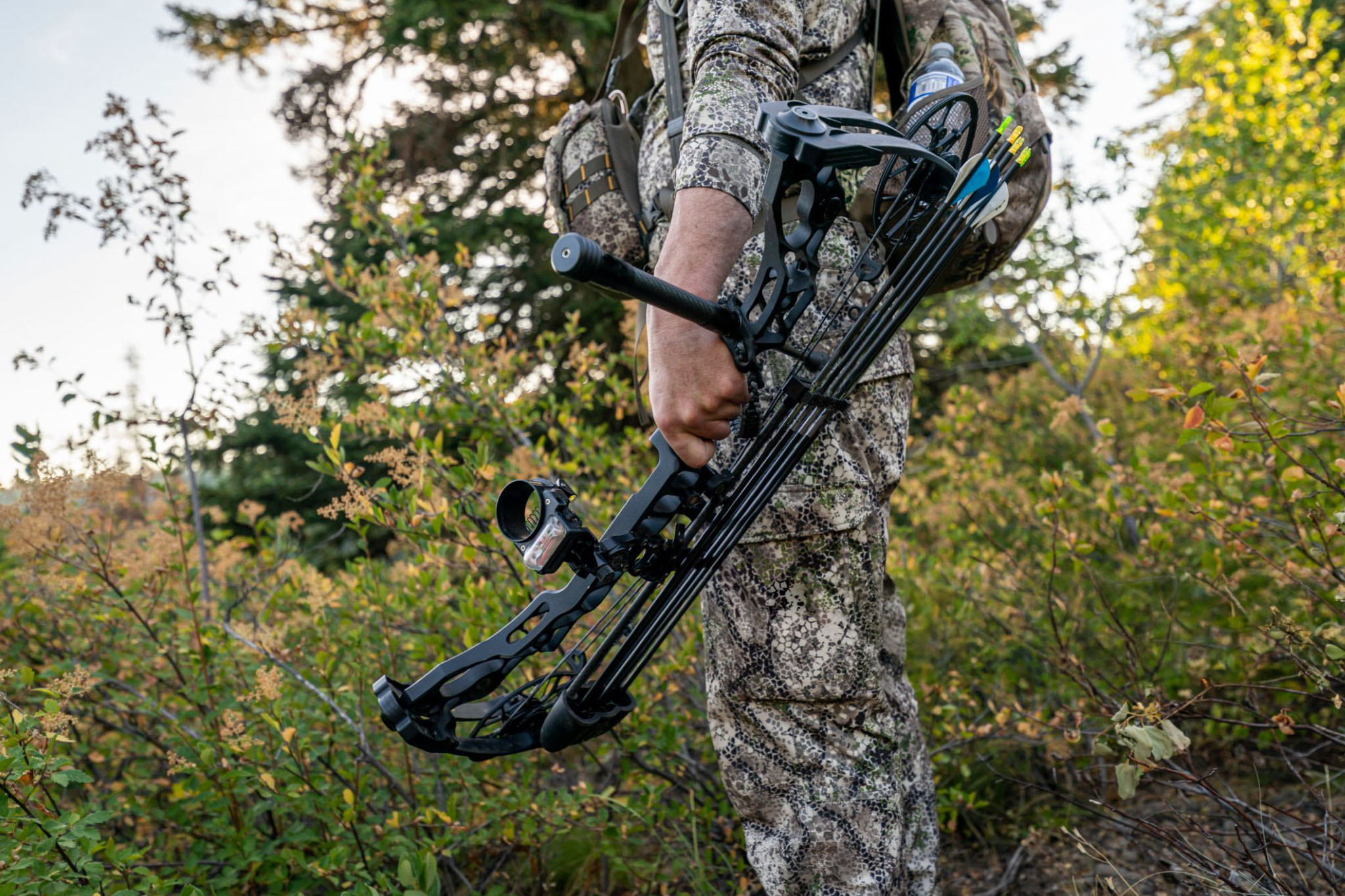
When the woods are locked in frost and the air carries sound farther than usual, silence becomes a hunter’s greatest weapon. Deer, especially whitetails, rely on their acute hearing to detect danger, and a single crunch or scrape can send them bounding out of sight. If you want to tip the odds in your favor this season, it’s worth taking a hard look at the gear you carry into frozen woods. Choosing the right clothing, boots, and equipment can make the difference between spooking a buck and sealing the deal.
Why Sound Carries Farther in Frozen Conditions
Cold, dry air has less humidity, which means sound waves travel farther and sharper than in warmer conditions. Add a thin crust of ice or frozen leaves, and every step you take can echo like an alarm bell to wildlife. Hunters need to counteract this by minimizing unnatural noises—zippers, squeaky fabrics, clanking gear, and heavy footfalls.
Clothing: Silence Starts With Fabric
- Wool and fleece over nylon and polyester. Natural fibers like wool are nearly silent when brushed against branches, unlike stiff synthetic fabrics that can “swish” or crackle.
- Soft-shell outer layers. A quiet soft-shell jacket or bibs designed for hunters dampens noise without sacrificing insulation.
- Layer smart. Base layers wick moisture, while mid-layers trap warmth. The less you fidget to stay comfortable, the less noise you make.
Boots: Every Step Counts
- Flexible soles. Stiff soles crunch more loudly on icy ground. A flexible rubber sole lets your foot roll more naturally and quietly.
- Insulation matters. Cold feet force you to stomp or shift your weight, which creates noise. Insulated boots keep you still and silent.
- Sneak laces. Look for boots with minimal metal hardware that won’t jingle or creak when walking.
Backpacks and Accessories: Stop the Clank
- Silent zippers and closures. Many hunting packs now use magnetic or fleece-lined pockets to avoid noisy pulls. If you stick with zippers, wax them or add pull tabs.
- Wrap hard surfaces. Metal water bottles, rangefinders, or calls can click together. Wrap them in camo tape or keep them in fleece pouches.
- Ditch dangling gear. Every strap, carabiner, or loose accessory becomes a potential noise maker. Secure everything before stepping into the woods.
Weapons: Bow, Crossbow, or Rifle
- String dampeners for bows. Reduce vibration and noise at the shot.
- Quiet slings. A padded neoprene or fleece sling doesn’t squeak like cheap nylon.
- Bolt and cartridge management. Keep ammo separated with dividers to prevent rattling.
Movement Techniques: The Final Piece
Even with the quietest gear, poor movement can betray you.
- Short steps. Roll your heel to toe to spread out weight.
- Pause often. Move like a feeding deer—walk a few steps, stop, scan, and repeat.
- Use natural cover noise. Time your steps with gusts of wind, cracking ice, or moving wildlife.
Final Thoughts
In frozen woods, gear choices are about more than warmth and durability—they’re about stealth. Every decision, from the soles of your boots to the lining of your pack, contributes to how invisible you are in the woods. By eliminating avoidable noise, you give yourself the best chance at success when deer and other game are most alert.
