
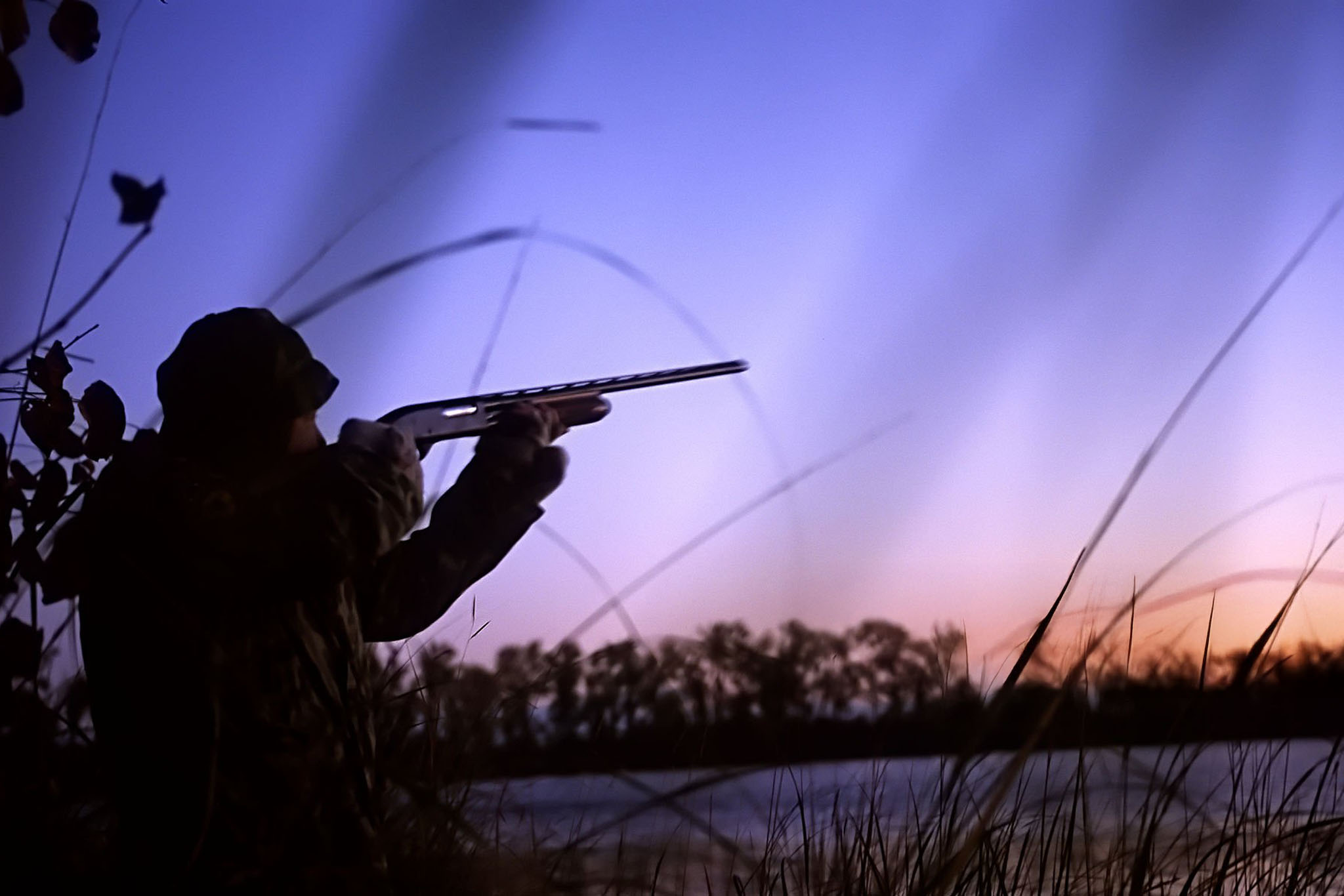
Fall is the season whitetail hunters wait for all year. As the leaves turn, deer activity ramps up, and hunters across the country begin making one of the biggest decisions of the season: tree stand or ground blind? Both setups can put venison in the freezer, but the best choice depends on terrain, deer behavior, and personal hunting style. If you’re wondering which option will help you fill tags this fall, let’s break it down.
The Case for Tree Stands
Tree stands are the go-to for many bowhunters and rifle hunters. The elevation advantage offers several key benefits:
1. A Better Vantage Point
From 15–20 feet up, you can see farther into thick cover and across food plots. This not only helps you spot deer sooner but also gives you time to prepare for a shot.
2. Staying Out of Their Nose
Deer rely heavily on their sense of smell. By hunting from a tree stand, you lift your scent cone above ground level, reducing the chance that deer will catch wind of you—especially on calm mornings.
3. Natural Concealment
Autumn foliage provides natural cover. Even as leaves fall, the height advantage keeps your outline broken up against the trunk.
4. Perfect for Travel Corridors
Tree stands shine along pinch points, field edges, and trails where deer move predictably. If you’ve scouted well, positioning above a travel route can deliver consistent encounters.
The Case for Ground Blinds
Ground blinds have exploded in popularity thanks to advances in design, comfort, and concealment. For hunters who value mobility and adaptability, blinds are tough to beat.
1. Versatility in Location
Unlike tree stands, blinds don’t require the perfect tree. You can set up along field edges, near food plots, or in open country where trees are scarce.
2. Concealment in Open Terrain
Modern blinds feature camo patterns that blend into grasses, brush, or crops. Once brushed in properly, a ground blind can virtually disappear.
3. Comfort for Long Sits
Blinds protect you from cold winds, rain, and even light snow. They also allow for more movement without being detected—perfect for hunting with kids or filming your hunt.
4. Ideal for Bowhunters in Tight Spots
When set near food sources or bedding areas, blinds allow archers to get close without being skylined. The enclosed design hides the draw cycle, a huge advantage in close-range encounters.
Key Factors to Consider When Choosing
1. Terrain
- Wooded Areas: Tree stands are best when cover is thick and there are suitable trees for hanging.
- Open Fields or Prairie: Ground blinds excel where trees are scarce or visibility is wide open.
2. Deer Behavior
- Early Season Feeding Patterns: Ground blinds near food plots can capitalize on predictable evening movements.
- Rut Travel Routes: Tree stands along funnels and pinch points shine during peak rut activity.
3. Weather Conditions
- Cold, Windy, or Wet Days: Ground blinds offer warmth and protection.
- Mild, Clear Mornings: Tree stands allow stealth and wide visibility.
4. Hunting Pressure
- Heavily Pressured Areas: Ground blinds brushed into thick cover give you an edge when deer are skittish.
- Lightly Pressured Timber: Tree stands offer a traditional and reliable setup without spooking deer.
Combining Both for Maximum Success
Many seasoned hunters don’t stick to just one method. They adapt.
- Morning Hunts in a Tree Stand: Take advantage of natural deer movement back to bedding areas.
- Evening Hunts in a Blind: Stay comfortable while waiting for deer to hit food plots before dark.
- Weather-Dependent Choices: Switch between stand and blind depending on wind and temperature.
Having both options at your disposal ensures you’re prepared for any scenario the season throws at you.
Final Thoughts
So, tree stand or ground blind—which should you choose this fall? The answer comes down to your hunting grounds, your style, and the conditions on any given day. Tree stands provide unmatched visibility and scent control, while ground blinds offer flexibility, comfort, and concealment where trees can’t.
Smart hunters often use both tools, adjusting setups as the season progresses. No matter which you choose, preparation, patience, and attention to detail will make the difference between an empty tag and a full freezer.
