
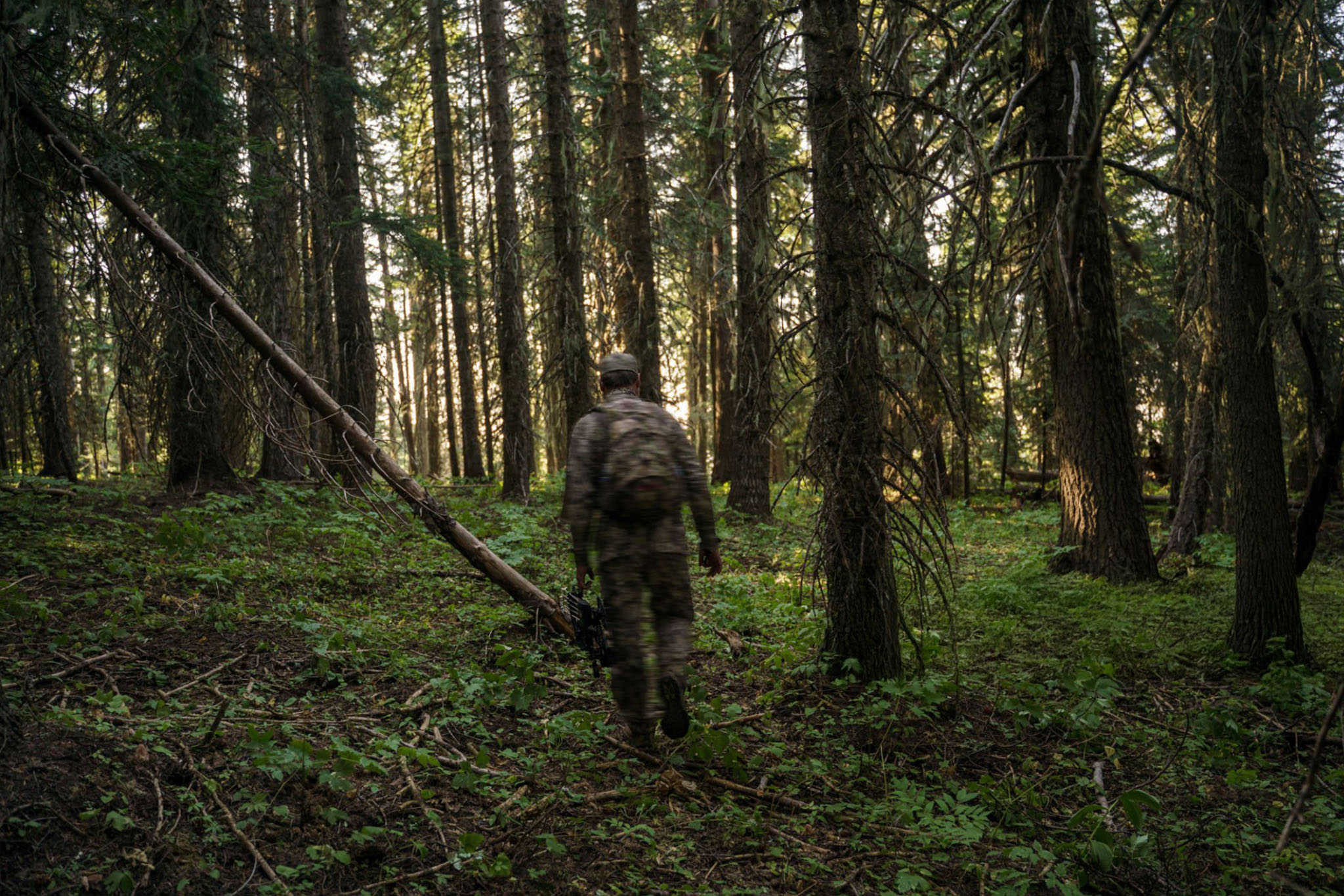
Few hunting experiences compare to calling ducks into a flooded timber hole or a hidden backwater slough. The tight cover, echoing calls, and the sudden rush of wings cutting through the trees make timber hunts uniquely thrilling. Unlike open-water setups, hunting in timber demands precision — from scouting to calling to concealment. Success here is measured in how naturally you can blend into the ducks’ world.
Understanding the Backwater Environment
Backwater sloughs and flooded timber pockets serve as sanctuaries for ducks seeking refuge, food, and security. These areas often provide:
- Shallow water: ideal for dabblers like mallards, wood ducks, and gadwalls.
- Acorns and mast crops: a critical late-season food source when fields freeze.
- Cover from predators: the dense canopy gives ducks confidence to loaf and feed undisturbed.
Unlike open marshes or fields, these habitats are often overlooked by hunters who don’t want to wrestle with boat access, chest waders, or thick brush. For those who put in the effort, the reward is an intimate hunt with birds working eye-level through the timber.
Scouting for Productive Timber
Finding the right backwater hole is half the battle. Hunters should pay attention to:
- Fresh sign: feathers, droppings, or tracks along the mudline.
- Food sources: oak flats with acorns or sloughs rich in aquatic plants.
- Flight paths: watch where ducks trade between rivers, reservoirs, and timber pockets.
Trail cameras, aerial maps, and even low-water scouting in the off-season can uncover hidden gems most hunters overlook.
Decoy Strategies for Timber
In a timber hole, big spreads aren’t necessary. A dozen well-placed mallard decoys can be enough to get the job done. Key tips include:
- Tight spreads: ducks expect to see birds packed close in small water.
- Motion: jerk strings or splashers add ripples to calm water, a must for convincing pressured ducks.
- Species mix: mallards dominate, but tossing in a few wood duck decoys can match what birds naturally expect in timber.
Because visibility is limited, sound often does more than sight to bring birds within range.
Calling Ducks in Close Quarters
Timber hunts showcase the true art of calling. Unlike open skies, where loud hail calls reach distant birds, backwater hunts demand finesse.
- Aggressive greeting calls: break through the tree canopy to grab attention.
- Feeding chuckles and content quacks: seal the deal once ducks circle in.
- Cutdowns: many timber hunters prefer cutdown-style calls, which deliver a raspy, sharp tone that cuts through heavy cover.
Reading ducks’ behavior is crucial. If they hesitate or circle wide, scale back your calling and let the decoys and motion finish the job.
Concealment in Timber
In flooded timber, hunters often stand waist-deep in water, relying on the natural bark, shadows, and brush for cover. Blinds aren’t always necessary, but concealment is:
- Camouflage: wear patterns that blend with gray bark and brown water.
- Stillness: movement stands out dramatically against vertical tree trunks.
- Shadows: positioning on the dark side of trees keeps hunters hidden.
Many seasoned hunters pick one tree, lean against it, and let the environment do the rest.
Gear Considerations
Timber hunting requires specialized gear compared to field or marsh hunts:
- Uninsulated breathable waders for mobility and comfort when walking through water and brush.
- Shotguns with short barrels (24–26 inches) for quicker swings in tight quarters.
- Shells in No. 2 or No. 3 shot for mallards and mixed puddle ducks.
- Waterproof headlamps for navigating through trees in predawn darkness.
Light, mobile setups always win in timber. Hauling in excessive gear only slows you down.
Timing and Weather
Overcast days are often the best in timber, as ducks feel more comfortable dropping low through the trees. Early mornings bring the strongest flights, though birds may trickle in throughout the day to feed and rest. After a cold front, timber holes can load up with fresh ducks seeking refuge from frozen fields.
Respecting the Timber Tradition
Timber hunting carries a strong heritage, especially in the Mississippi Flyway. Hunters should:
- Respect private land boundaries.
- Pick up empty shells and trash.
- Avoid overcrowding small holes that can’t handle heavy pressure.
The best timber hunts are about more than shooting limits — they’re about the echoes of calling, the shadows of wings slipping through the canopy, and the traditions passed down from one hunter to the next.
Final Thoughts
Calling ducks into backwater sloughs is as much about skill and patience as it is about scouting and setup. When the call bounces off the timber, ducks swing low through the branches, and the water erupts with splashes, hunters know they’re part of one of waterfowling’s purest experiences.
For those willing to wade deep and master the art of calling in close quarters, timber hunts deliver a level of excitement no wide-open sky can match.
