
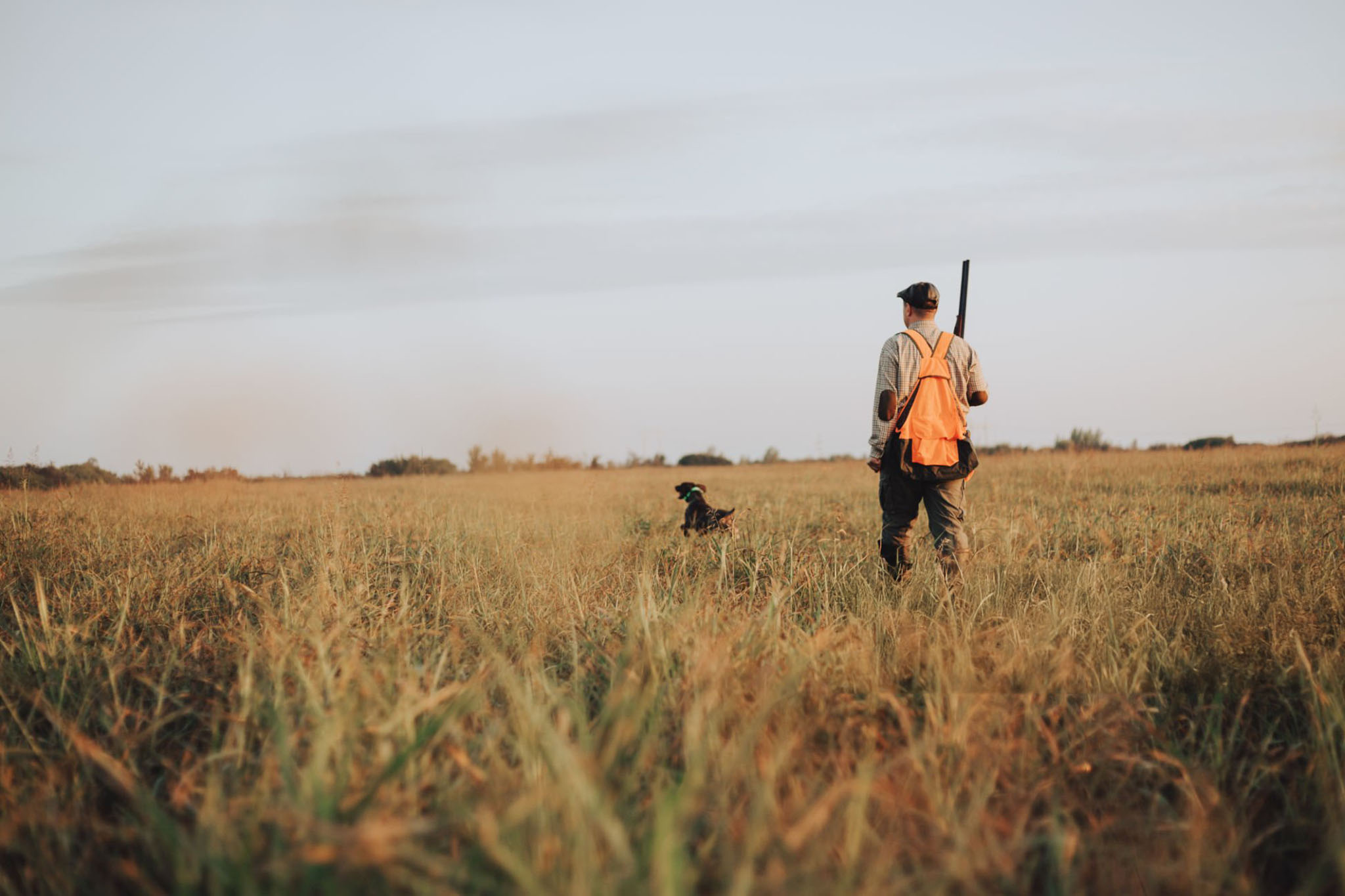
The first frosts of fall bring more than crisp mornings and visible breath in the woods—they also sharpen your chances of finding deer. When the ground crunches underfoot and the frost outlines every blade of grass, a hunter’s ability to read fresh sign becomes even more important. Deer movement changes with cooling temperatures, and frosty mornings leave clearer, fresher indicators for those who know what to look for.
In this article, we’ll break down how to identify fresh deer sign on cold mornings, how weather patterns influence movement, and practical ways to use frosty conditions to your advantage in the field.
Why Frosty Mornings Matter for Deer Hunters
Cold dawns signal transition. With shorter days, deer increase their feeding to prepare for winter, and bucks begin to ramp up activity as the rut approaches. Frost accentuates the signs deer leave behind:
- Tracks are more visible in frozen or lightly thawed soil.
- Droppings are easier to age—fresh piles stand out against frosty ground.
- Breathing patterns and body heat leave subtle disturbances in frost, offering clues about when deer passed through.
Hunters who hit the woods at first light after a frost get the freshest picture of overnight deer movement.
Key Signs to Read on Frost-Covered Trails
1. Tracks in Frozen Ground
Deer hooves leave distinct impressions in softened frost. Fresh tracks will have sharp edges and crisp outlines, while older ones appear melted or rimmed with thawed water. Pay attention to:
- Stride length: Longer strides may indicate a buck traveling with purpose.
- Depth: Deeper prints often suggest a heavier animal—potentially a mature deer.
- Direction of travel: Frost patterns inside the track can help determine when the deer passed.
2. Droppings in the Cold
In frosty weather, deer droppings are easier to age accurately. Warm, shiny piles mean deer were there minutes ago, while dull, frozen ones may be several hours old. Use this to decide whether to set up immediately or continue scouting.
3. Beds in Frosty Cover
Look for ovals of melted frost in tall grass or leaves—these are fresh deer beds where body heat melted the layer of frost. A cluster of beds can indicate a doe group, while larger, isolated beds might belong to a solitary buck.
4. Rubs and Scrapes with Frost Disturbance
In early frosty mornings, scrapes and rubs with fresh soil or bark shavings pushed aside stand out clearly. If the frost inside a scrape is disturbed, you’re likely looking at activity that happened before dawn.
Weather and Timing: How Deer Move on Frosty Mornings
- High-pressure mornings after a cold front often produce the most deer movement. Deer feed heavily after a night of dropping temperatures.
- Calm, frosty mornings are perfect for ambush setups near food sources or staging areas.
- Light winds with frost can concentrate deer on sheltered trails where conditions feel warmer.
Hunters who position themselves on edges of feeding fields, oak ridges, or transition funnels during frosty first light often see increased activity.
Practical Hunting Tips for Frosty Conditions
- Enter quietly – Frost amplifies sound, making crunchy leaves and grasses louder. Move slowly and deliberately.
- Glass open areas first – Frosty meadows and fields often show deer silhouetted against the dawn.
- Use the frost line – Freshly melted trails or beds often reveal deer that are only minutes ahead of you.
- Plan ambush setups – Position tree stands near trails with consistent frost-melt patterns.
- Stay warm but mobile – Dress in layers, as frosty mornings often warm quickly once the sun rises.
Conclusion
Frosty mornings provide hunters with some of the clearest clues about deer movement all season. Tracks, beds, droppings, and disturbed frost tell a story—if you know how to read it. By learning to interpret these signs, adjusting your setups to cold-weather deer patterns, and moving carefully through noisy frost, you can turn those crisp mornings into productive hunts.
When the frost tips the trails, the woods speak louder—make sure you’re listening.
