
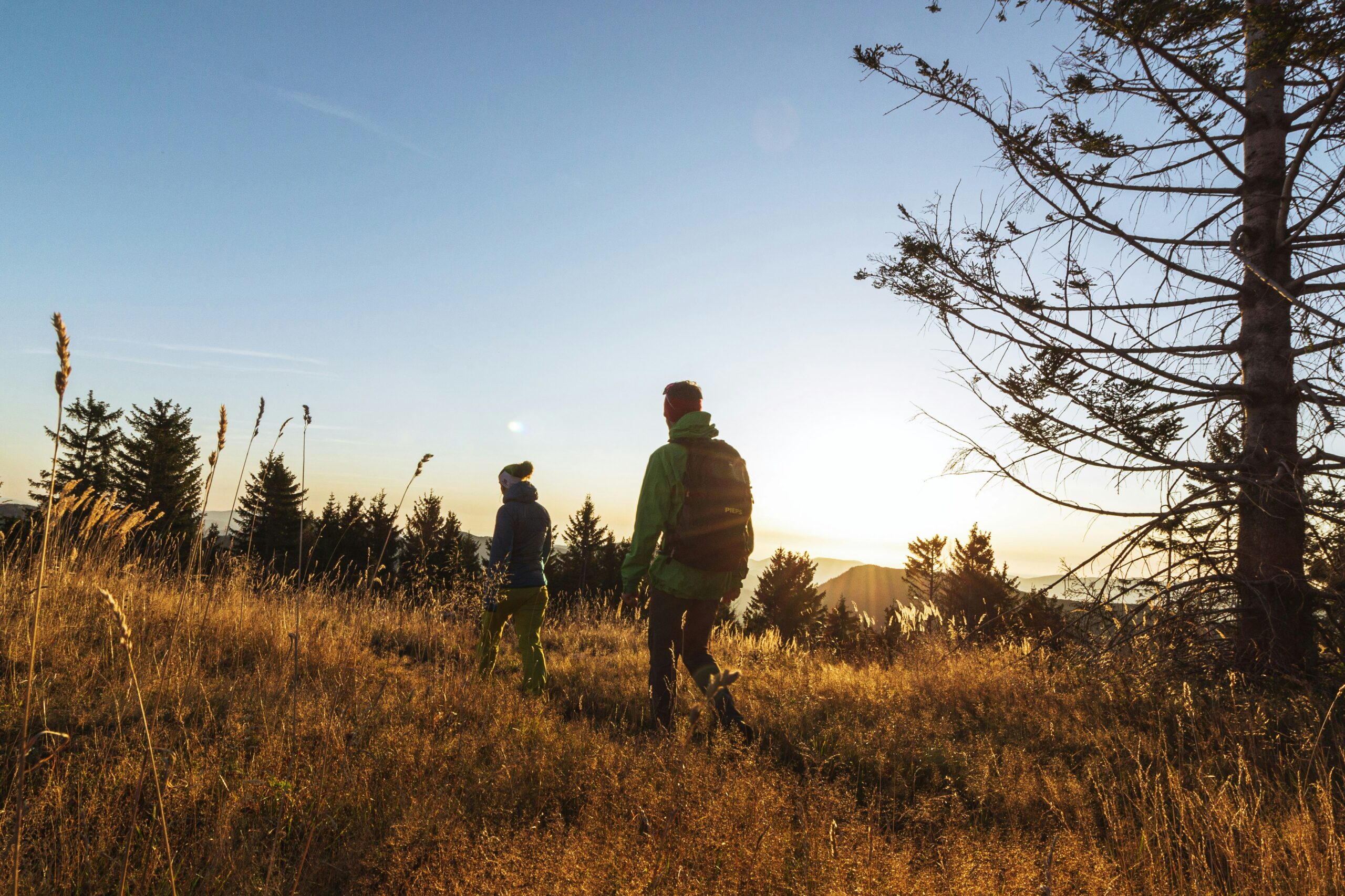
For many hunters across the U.S., public land is the only option for pursuing deer, turkeys, and other game in the fall. While public ground offers incredible opportunities, it also brings one of the biggest challenges: hunting pressure. When multiple hunters flood the same woods, deer quickly adapt by changing their travel patterns, becoming more nocturnal, and avoiding obvious stand locations. To succeed, you need more than just a good tag—you need a strategy that helps you outthink both the deer and the other hunters.
Understanding Hunting Pressure
Game animals on public land are often exposed to hunters from the season opener onward. This results in:
- Shifted Deer Movement: Mature bucks especially become wary and use thick cover or travel during low-light hours.
- Avoidance of Obvious Spots: Easily accessed ridges, food plots, and field edges are often overhunted.
- Heightened Alertness: Every sound, scent, or unnatural sight is more likely to spook deer that have already encountered multiple hunters.
Recognizing these pressure-induced changes is the first step toward adapting your strategy.
Scouting Smarter, Not Harder
While many hunters rely on the same well-worn trails or stand sites, you can improve your odds by digging deeper into the landscape.
- Digital Scouting: Use apps like OnX, HuntStand, or Google Earth to identify overlooked areas such as creek crossings, saddle points, or terrain funnels far from parking lots.
- Boots on the Ground: Pre-season scouting is key, but light, low-impact scouting during the season helps you locate fresh sign without pushing deer out.
- Observation Sits: Instead of diving into the best-looking area right away, use a distant vantage point to glass deer movement and adjust accordingly.
Hunting Where Others Don’t
The best tactic for beating hunting pressure is to go where others won’t. This usually means more effort but often yields bigger rewards.
- Deep Access: Many hunters stop within a half-mile of the parking area. Hiking an extra mile can put you in near-vacant woods.
- Thick Cover: Mature bucks prefer security cover during pressured times. Swamps, briar patches, and tangled thickets may be tough to hunt but are worth the effort.
- Water Barriers: Crossing a creek or marsh—using waders or lightweight rafts—can give you access to virtually untouched hunting zones.
- Midday Advantage: While most hunters head home mid-morning, deer often move again late morning or early afternoon when pressure eases.
Adjusting Stand and Blind Tactics
A smart setup is critical when hunting pressured woods.
- Mobile Hunting Gear: Saddle systems, lightweight climbers, or mobile hang-ons let you adapt quickly and stay ahead of shifting deer movement.
- Wind and Thermals: On public land, deer survive by detecting hunters’ scent. Always play the wind and consider how thermals rise and fall in the woods.
- Entry and Exit Routes: Avoid crossing main trails or bedding areas on your way in. Stealthy approaches keep deer from patterning you.
Reading the Pressure
Sometimes, the other hunters are your best source of information—if you know how to use them.
- Parking Lot Clues: A crowded lot often means deer are being pushed into escape routes you can hunt.
- Gunshots and Movement: During firearms season, deer often funnel into overlooked cover when pushed by other hunters.
- Weekend vs. Weekday: Weekends see more pressure. Hunting weekdays gives you a quieter woods and less human competition.
Mental Toughness and Patience
Hunting pressured public land isn’t just about woodsmanship—it’s about mindset.
- Expect Lower Encounters: You may not see dozens of deer each sit, but patience pays off with quality encounters.
- Stay Flexible: If you bump into other hunters or find fresh sign of human activity, don’t hesitate to change locations.
- Play the Long Game: Sometimes, the best hunts come late in the season after most hunters have given up.
Common Mistakes on Public Land
Avoid these pitfalls that give deer (and other hunters) the edge:
- Relying on Easy Spots: If it’s near a parking lot or has an obvious trail, expect competition.
- Overhunting One Stand: Pressured deer pattern hunters quickly; rotating spots helps you stay unpredictable.
- Ignoring Access Etiquette: Cutting off another hunter’s area or being careless about wind direction ruins opportunities for both of you.
Final Thoughts
Public land hunting in the fall can be tough, but it’s also one of the most rewarding challenges in the outdoors. By understanding hunting pressure, scouting deeper, hunting smarter, and staying mobile, you can outmaneuver both wary deer and crowded woods. Remember—success doesn’t always come easy on public land, but when it does, the sense of accomplishment is unmatched.
