
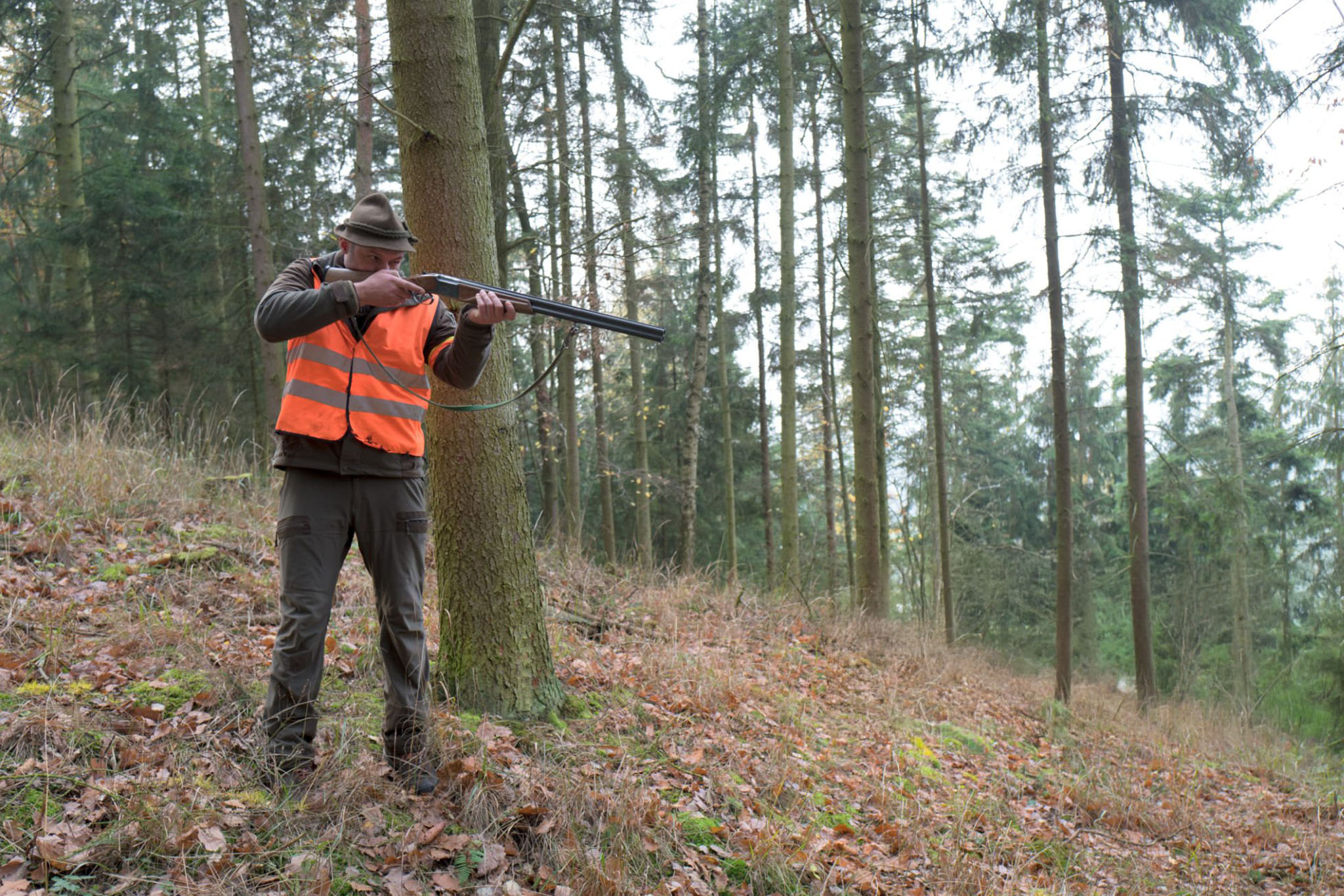
For waterfowl hunters, few words stir more excitement than cold front. Those first crisp north winds of fall often carry with them fresh flights of ducks, making for some of the most memorable hunts of the season. But what is it about cold fronts that trigger migration? And how can hunters use this knowledge to time their outings? Understanding the science behind duck movement and the behavior tied to shifting weather patterns can give you a serious edge when the skies start filling with wings.
The Science of Migration and Weather
Waterfowl migration isn’t random. Ducks migrate in response to several natural cues, but weather is one of the strongest short-term triggers. While decreasing daylight hours and internal biological clocks (photoperiod and circannual rhythms) set the stage, sudden weather changes—especially cold fronts—act like a green light.
- Temperature Drops: A sharp decline in overnight temperatures signals food sources are freezing and encourages ducks to move south.
- Wind Direction: North and northwest winds offer a tailwind advantage, allowing ducks to conserve energy as they cover hundreds of miles.
- Barometric Pressure: Falling pressure often makes birds restless, while rising pressure after a front encourages heavy movement.
Essentially, a cold front creates both a push (declining habitat conditions up north) and a pull (ideal travel conditions for migration).
Why Ducks Ride the Early Winds
Early-season ducks, like teal, pintails, and wood ducks, are some of the first to take advantage of those north winds. Here’s why:
- Energy Efficiency – Flying with a tailwind dramatically reduces calorie expenditure, critical for survival on long flights.
- Predictable Timing – Cold fronts create windows of opportunity, allowing large numbers of ducks to move together in coordinated waves.
- Survival Instinct – Ducks know that once waters start freezing, food and roosting habitat diminish. Moving early increases their odds of survival.
For hunters, this means that the day before, during, and immediately after a front are often the hottest windows for waterfowl activity.
Reading the Signs of a Migration Push
To make the most of early cold fronts, pay attention to both the weather and the birds:
- Weather Apps & Forecasts – Watch for strong northwest winds, significant temperature drops (10–20°F), and clear skies following a front.
- Increased Local Activity – Restless ducks feeding aggressively before sunset often signal they’re preparing to leave.
- New Birds Overnight – A sudden influx of fresh ducks in your area—often more vocal, less wary, and eager to decoy—is a sure sign of migration.
Hunting Strategies During Early Cold Fronts
Knowing why ducks move is only half the battle. Success also comes from adapting your strategy:
- Be There Early – Ducks often migrate at night, so be set up before dawn to catch fresh arrivals.
- Adjust Decoy Spreads – Fresh ducks respond well to motion. Use spinning-wing decoys or jerk rigs to add realism.
- Call Aggressively – Migrating ducks are social and often respond more positively to louder, more frequent calling than local birds.
- Scout Daily – Cold fronts can change the local population overnight. Keep scouting to stay on top of hot fields or marshes.
- Hunt Diverse Habitats – Migrating ducks may stop in flooded timber, river backwaters, or small ponds. Flexibility increases opportunities.
Gear Considerations for Frosty Fronts
Cold-front hunts often mean chilly mornings and unpredictable weather. Hunters should be prepared:
- Insulated Waders – Frosty water can be brutal without the right protection.
- Layered Clothing – Dress for temperature swings that often come after a front.
- Reliable Optics – Binoculars or spotting scopes help locate incoming flocks at distance.
- Extra Motion Decoys – Migrating ducks are drawn to spreads that look alive and active.
Final Thoughts
The first cold fronts of fall aren’t just a shift in the weather—they’re a natural signal that sets the waterfowl migration into motion. Ducks ride the early winds south because it’s efficient, safe, and instinctual. For hunters, those north winds carry opportunity. By watching forecasts, scouting actively, and adapting strategies, you can turn the arrival of a cold front into the hunt of a lifetime.
So when the temperature drops and the winds swing north, grab your shotgun, set your spread, and look to the skies—because the ducks will be riding the wind right to you.
