
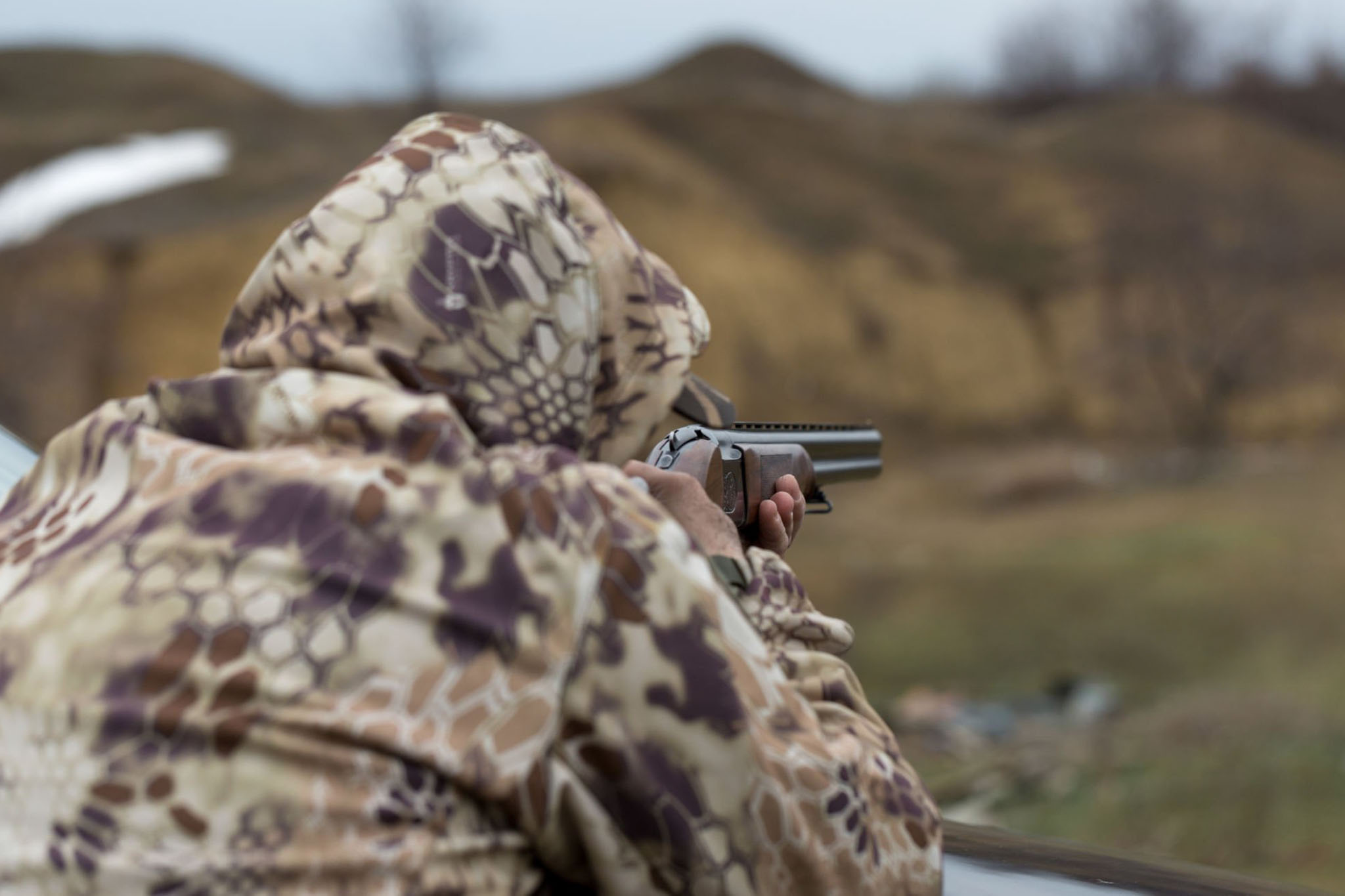
There’s something almost magical about stepping into the woods on a frosty autumn morning. Your breath hangs in the air, the leaves crunch faintly underfoot, and the landscape sparkles with a thin coat of ice crystals. For deer hunters, these cold dawns often signal more than just a change in the weather—they mark some of the most productive hunting conditions of the season. When temperatures drop overnight and frost settles in, mature bucks are more likely to be on the move, giving hunters the rare daylight encounters they wait for all year.
Why Frosty Mornings Trigger Deer Movement
Deer are incredibly sensitive to shifts in weather. A cold snap accompanied by morning frost can trigger several changes in their behavior:
- Energy Demands Rise – Deer need to feed longer and more aggressively to maintain body heat in colder temperatures.
- Comfortable Travel Conditions – Frost-cooled mornings reduce insect activity and humidity, creating more favorable travel and feeding conditions.
- Rut Connection – During the pre-rut and rut, bucks often use cold mornings to check scrapes, patrol territory, and trail does, making them more visible.
When the air is crisp and the ground is frozen, deer spend more time out of their beds, increasing your odds of crossing paths with a heavy-racked buck.
Reading Sign in Frost-Covered Terrain
Cold dawns don’t just get deer moving—they also make it easier for hunters to read the woods. Here’s how frost helps reveal fresh activity:
- Tracks in Frosty Ground – Hoof prints stand out clearly against the delicate white coating, helping you identify travel corridors.
- Melted Patches – Frost melts quickly under deer hooves and bellies, leaving dark impressions that indicate recent movement.
- Visible Bedding Areas – Frost-free ovals on grassy patches often reveal where deer spent the night.
- Enhanced Sound Awareness – Frozen leaves crunch louder under deer hooves, giving hunters an audible edge if they listen closely.
A frosty morning is like a chalkboard freshly written on by deer—you just need to know how to read it.
Best Stand Locations on Frosty Dawns
Positioning is everything when hunting those chilly mornings. Some of the best setups include:
- Field Edges with Food Sources – Deer feed longer into daylight hours after a frost, especially on cut corn, beans, or mast-rich oak stands.
- Transition Corridors – Look for well-used paths between bedding cover and feeding areas. Bucks are likely to cruise these during early light.
- South-Facing Ridges – Deer often bed on sunny slopes to warm up after a cold night. Intercept them as they travel back to these spots.
- Scrape Lines and Rub Routes – Cold mornings often bring bucks checking their signposts after a night of activity.
Tracking Tips for Frosty Conditions
When hunting from the ground or following deer on foot, a few strategies maximize your success:
- Move Slowly and Deliberately – Frost amplifies sound, so every step must be cautious.
- Glass Frequently – Steam rising from a deer’s breath or frost melting on its back can reveal its location.
- Pay Attention to Wind – Cold mornings can create swirling thermals. Always position yourself with wind in your favor.
- Use Natural Shadows – Frost-covered landscapes reflect more light, making movement stand out. Stick to shadows for concealment.
Gear Considerations for Frosty Morning Hunts
Cold dawns can be unforgiving, so gear matters as much as strategy.
- Layered Clothing Systems – Start with moisture-wicking base layers, add insulation, and top it off with a windproof shell.
- Warm Boots – Insulated, waterproof boots are critical when walking across frosty fields or sitting in cold stands.
- Quiet Fabrics – Frost amplifies noise, so avoid crinkly jackets or stiff gear.
- Optics Ready – Binoculars with anti-fog coatings help you spot deer in frosty, humid conditions.
Final Thoughts
Morning frost isn’t just a sign of changing seasons—it’s a signal to hunters that conditions are ripe for success. Bucks with heavy racks are more active, sign is easier to read, and the woods feel alive with movement. By choosing the right stand locations, learning to interpret frosty sign, and adjusting your strategy to cold dawn behavior, you can turn crisp mornings into your best hunting opportunities of the year.
This fall, when you wake to shimmering frost on the fields, don’t linger over your coffee too long. Grab your gear, head for the woods, and be ready—the deer will be on the move, and the hunt will be one to remember.
