
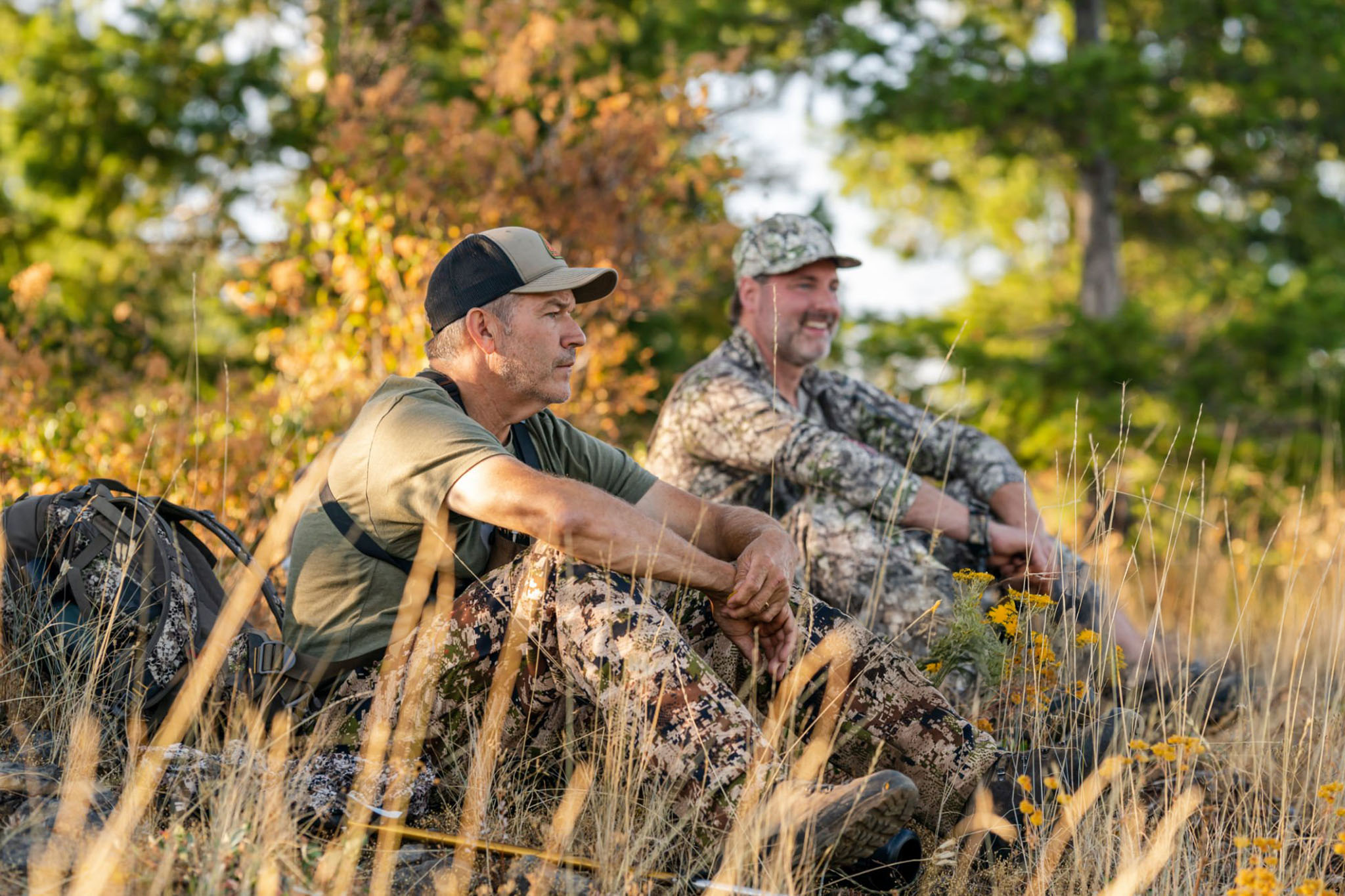
Most hunters head for the woods at dawn or settle back into their stands during evening hours. Yet, early fall offers an often-overlooked window of opportunity: the midday hunt. While whitetails are known to be crepuscular—most active during low-light hours—changing food sources, early-season weather shifts, and reduced hunting pressure can make midday deer movement surprisingly productive.
If you’re looking to fill your tag before the rut kicks in, mastering the art of silent stalks in the middle of the day can set you apart from the crowd.
Why Midday Hunting Works in Early Fall
Contrary to popular belief, deer don’t spend all daylight hours bedded down. During early fall, they often shift patterns based on food availability, temperature, and human disturbance.
- Feeding Transitions: Soybean fields start yellowing, acorns drop, and deer adjust feeding times. This can push activity into midday as they re-pattern.
- Less Hunting Pressure: Most hunters are gone by 10 a.m. Deer notice. That reduced pressure can give cautious bucks the confidence to move.
- Weather Influence: Early fall warm-ups can delay morning movement, while cool fronts often trigger deer to stretch their legs midday.
The Art of the Silent Stalk
Unlike treestand hunting, stalking requires mobility and precision. Midday stalking in early fall is effective because deer are often in or near bedding cover, making it possible to close the distance with patience and stealth.
1. Read the Wind First
Wind direction dictates everything. Always stalk from downwind or crosswind to prevent deer from catching your scent long before you’re close.
2. Move Like the Woods
- Take slow, deliberate steps.
- Time your movements with wind gusts or natural woodland noise.
- Pause often, scanning ahead before taking the next step.
3. Use Natural Cover
Thick brush lines, creek bottoms, or tall grass provide natural concealment. Early fall vegetation is still dense enough to help mask your movement—use it to your advantage.
Midday Hotspots to Target
- Bedding Area Edges
Bucks often shift within bedding cover, adjusting for wind or sun position. Skirting the downwind edge of bedding thickets can put you in range. - Midday Water Sources
Warm early fall days drive deer to creeks, ponds, or seeps for a quick drink, especially when mast crops are heavy in their diet. - Transition Zones
Funnels, ridgelines, and old logging roads often serve as midday travel routes between bedding and secondary food sources.
Gear and Tactics for Success
- Quiet Clothing: Soft, breathable layers reduce noise while keeping you comfortable during warmer midday hours.
- Optics: Binoculars help you glass bedding cover before committing to a stalk.
- Ground Scent Discipline: Use rubber boots or scent-eliminating sprays to minimize ground scent, especially when creeping close to beds.
- Slow Hunting Mindset: Midday stalking isn’t about covering ground—it’s about slipping into range undetected.
Calling and Scent Use During Midday
Early fall is too soon for aggressive rut-style tactics, but subtle cues can help:
- Soft Grunts: Occasional low grunts can mimic buck-to-buck communication without alarming nearby deer.
- Curiosity Scents: Non-dominant buck or food-based scents placed along travel routes may hold a deer’s attention long enough for a shot opportunity.
Common Mistakes to Avoid
- Rushing the Stalk: Moving too quickly is the fastest way to alert deer.
- Ignoring Thermals: Midday sun shifts thermal currents—always account for rising or falling air in hilly terrain.
- Overhunting Bedding Areas: Pushing too aggressively can burn a spot for the rest of the season.
Final Thoughts
Midday deer hunts in early fall may not get the attention they deserve, but they can yield some of the best encounters of the season. By moving silently, reading the wind, and targeting bedding transitions, hunters can turn overlooked hours into productive hunts.
Silent stalks aren’t for the impatient—but for those who master the art, the reward can be a close encounter with a mature buck when most hunters are back at camp.
