
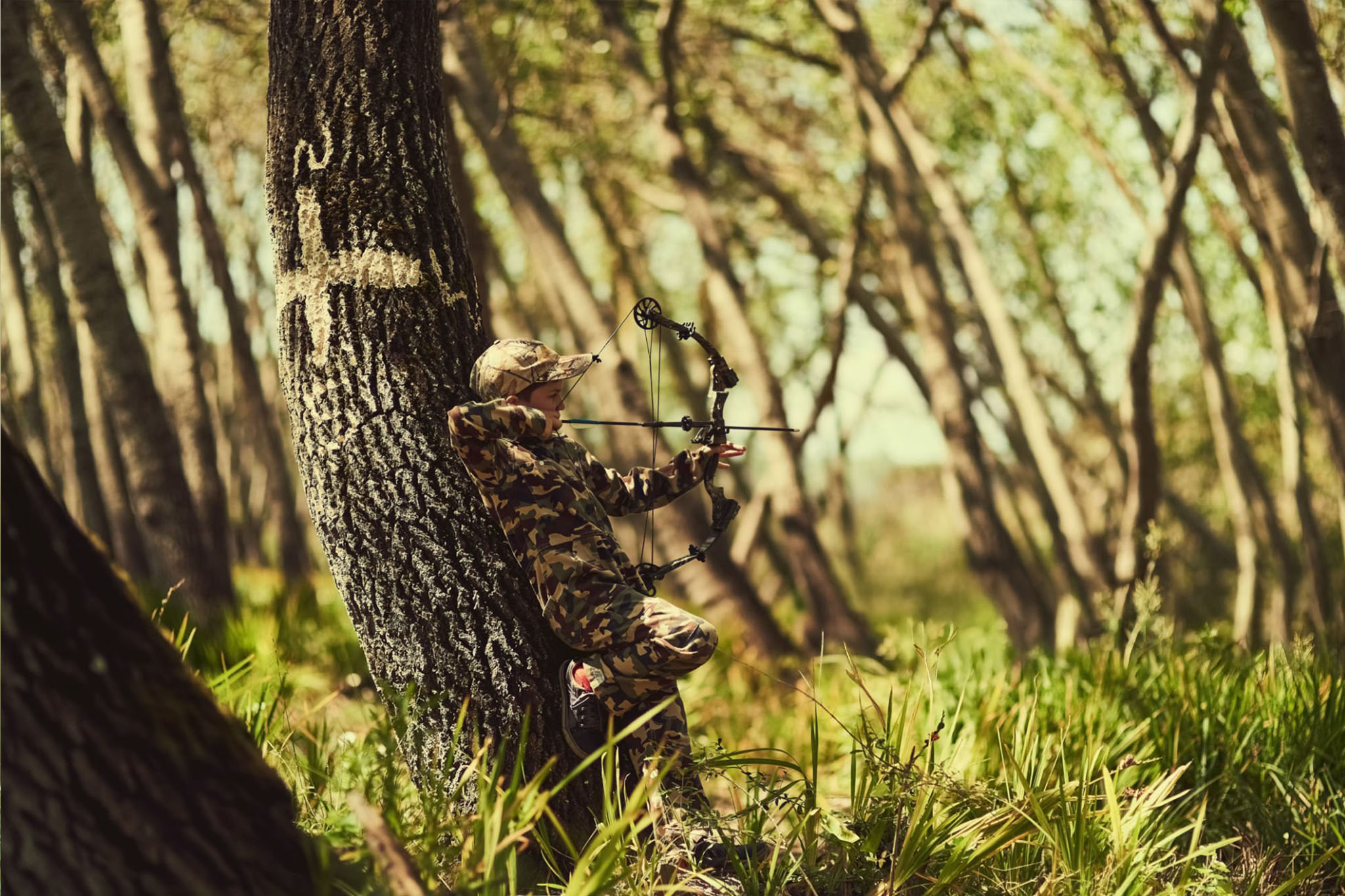
Every hunter has faced the same dilemma during fall deer season: Should I hunt the morning or the evening? The answer often comes down to understanding thermals, wind direction, and how deer use them to their advantage. Whitetails live by their noses, and choosing the wrong stand at the wrong time can mean your scent gives you away before you even see movement. By mastering the science of thermals and evening wind shifts, you’ll know when and where to sit for the best shot opportunities.
What Are Thermals and Why Do They Matter?
Thermals are air currents created by temperature changes between the ground and the atmosphere. Unlike prevailing winds, which are more constant, thermals shift throughout the day and directly impact how your scent travels.
- Morning Thermals (Rising Air): As the sun heats the ground, warm air rises. In hilly or mountainous terrain, this means scent is pulled uphill.
- Evening Thermals (Falling Air): As the sun sets and the ground cools, air begins to sink, carrying scent downhill or into low-lying areas.
For deer hunters, ignoring thermals is like ignoring wind direction—they will bust you before you even know they’re there.
Hunting the Morning: Advantages of Rising Thermals
Morning hunts are often favored by archery hunters, especially early in the season. Rising thermals can work in your favor if you know where deer are bedding and how they move at first light.
Why Mornings Work
- Scent Advantage: Rising thermals pull your scent upward, often above the paths deer use to return to bedding areas.
- Deer Movement: Deer are naturally active at dawn, heading from feeding fields back into the cover of timber.
- Cooler Temps: Crisp mornings encourage movement and can trigger early rut activity.
Best Stand Locations for Morning Hunts
- Ridge Tops: Rising thermals carry scent away from deer traveling lower on the slopes.
- Travel Corridors Near Bedding: Catch deer moving from food to cover without being detected.
- Edges of Timber: Position yourself where thermals lift your scent out of the deer’s travel line.
Hunting the Evening: Advantages of Falling Winds
Evening sits are classic for a reason: deer are moving out of cover and into fields or open feeding areas. Cooler evening air also makes deer more comfortable and likely to move earlier.
Why Evenings Work
- Predictable Feeding Patterns: Deer often stage near fields before stepping out at last light.
- Falling Thermals: Air sinks into valleys, carrying your scent down instead of out into food plots.
- High Visibility: Longer sits with fading daylight often give you more shooting opportunities.
Best Stand Locations for Evening Hunts
- Field Edges: Position downwind of staging areas where deer linger before entering open food plots.
- Bottoms and Valleys: As thermals fall, your scent drops with them, leaving feeding deer unaware.
- Funnels Leading to Food: Set up along trails that naturally pinch movement toward open fields.
Common Mistakes Hunters Make
Even seasoned hunters get busted by ignoring thermal shifts. Here are a few pitfalls to avoid:
- Climbing Too Low in the Morning: If you sit in a bottom before the sun rises, your scent will pool with cold air, spooking deer.
- Evening Stands Too High: Sitting at the top of a ridge in the evening can broadcast your scent downhill into approaching deer.
- Not Checking Forecasted Winds: Prevailing winds can override thermals on windy days—always balance both factors.
- Overhunting a Spot: Once deer catch your scent in an area, they may change their movement patterns entirely.
Combining Wind and Thermals: The Smart Hunter’s Edge
While thermals are powerful, they don’t work in isolation. Prevailing winds, local terrain, and vegetation also influence how your scent travels. The best hunters study all three:
- Prevailing Wind: Use apps or weather forecasts to know the day’s general wind direction.
- Thermals: Expect them to rise in the morning and fall in the evening, unless strong winds override.
- Terrain: Valleys, ridges, and hollows act like funnels for air currents—plan stand sites accordingly.
Final Thoughts
Choosing between a morning or evening hunt isn’t just about personal preference—it’s about understanding how thermals and wind patterns interact with deer movement. Mornings give you the advantage of rising thermals that lift scent above travel routes, while evenings let you capitalize on predictable feeding activity with falling air currents.
By carefully selecting stands with wind and thermals in mind, you’ll not only avoid being busted but also put yourself in the perfect position for success. Whether it’s that early-season doe for the freezer or a heavy-racked buck on the move, mastering the invisible world of air currents is one of the most powerful tools in a hunter’s playbook.
