
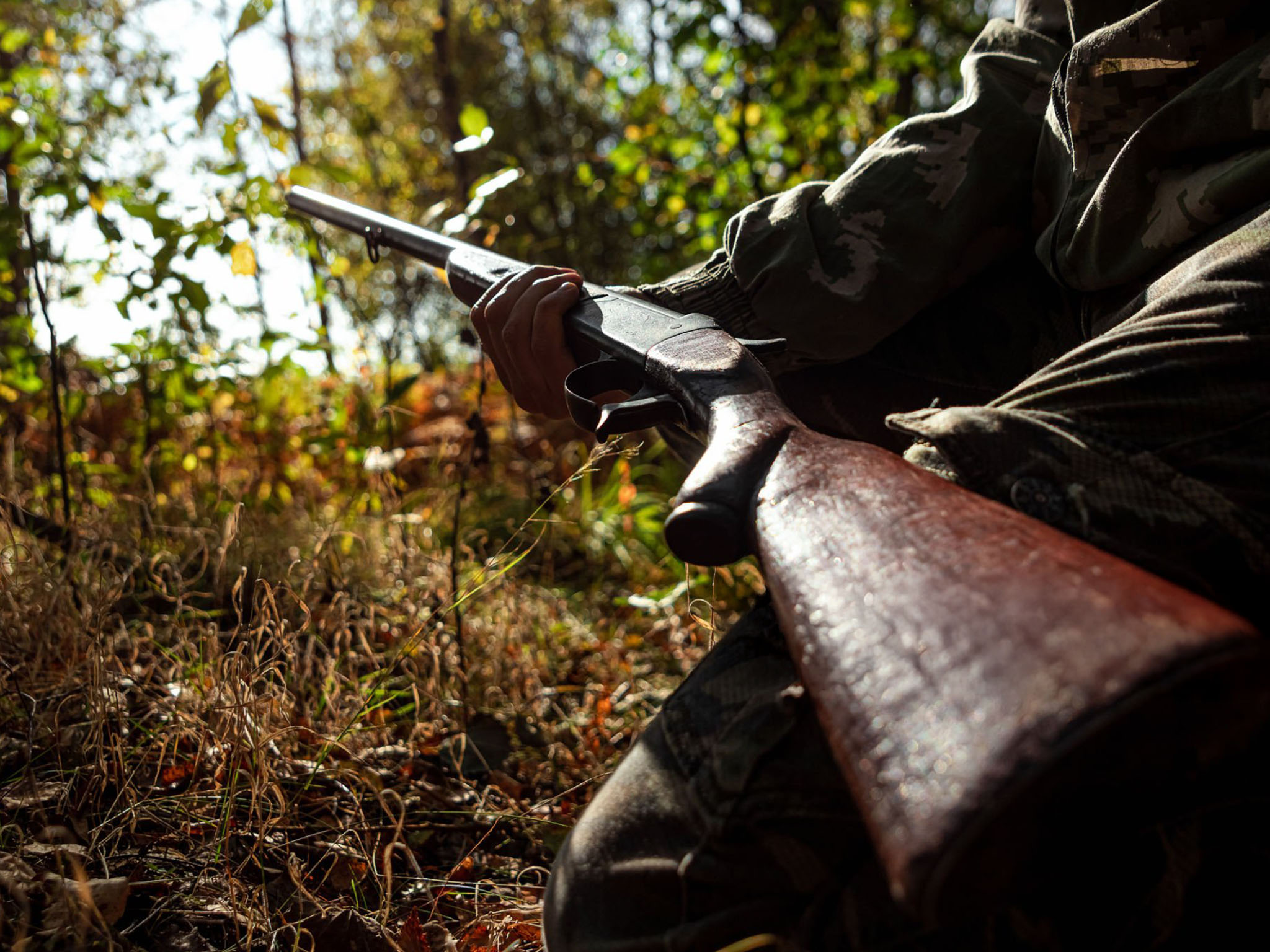
Late-season hunts test even the most seasoned outdoorsmen. Temperatures plummet, winds cut across ridges, and long sits in a stand or blind become battles against the cold. While heavy insulated gear may seem like the obvious solution, bulky clothing can restrict movement, add unnecessary weight, and make drawing a bow or shouldering a rifle more difficult. The key is mastering a layering system—one that keeps you warm, dry, and mobile without piling on excess bulk.
Why Layering Beats Bulk
The principle of layering lies in trapping heat while allowing moisture to escape. Instead of one oversized jacket, hunters use multiple thin, purpose-built layers that work together. Each layer has a specific role: moisture management, insulation, and protection against the elements. When combined, they provide customizable warmth for changing conditions.
This approach not only increases comfort but also enhances stealth and agility—two qualities crucial for success in the late season.
The Three Core Layers for Hunting Success
1. Base Layer: Moisture Management
A proper base layer is your first defense against cold. Sweat is the enemy in winter hunts; once moisture sits against your skin, it can rapidly sap body heat.
- Best materials: Merino wool and synthetic blends.
- Avoid: Cotton—it holds moisture and chills your body.
- Pro tip: Choose a mid- to heavyweight base layer for late-season hunts, ensuring it’s snug but breathable.
2. Mid Layer: Insulation
The mid layer traps heat generated by your body. It doesn’t need to be thick to be effective, but it should offer warmth without bulk.
- Options: Fleece, down, or synthetic insulated jackets.
- Best for hunters: Lofted synthetic insulation (retains warmth even when damp).
- Pro tip: Carry an extra mid-layer in your pack—ideal for long sits after active stalks when your body cools quickly.
3. Outer Layer: Weather Protection
Your shell shields you from wind, snow, and freezing rain. It’s the barrier that keeps the rest of your system effective.
- Best choices: Windproof, waterproof, and breathable jackets.
- Features to look for: Quiet fabrics for bowhunting, durable zippers, and adjustable cuffs to seal out drafts.
- Pro tip: Don’t overlook your lower half—windproof bibs or pants with ventilation zippers are game-changers.
Fine-Tuning the System
Add a Wind Layer
In extreme conditions, even a thin windproof vest or jacket between your mid and outer layer can dramatically improve warmth without bulk.
Focus on Extremities
Hands, feet, and head lose heat fastest. Late-season hunters benefit from:
- Merino or wool socks with liner socks underneath.
- Boot insoles and gaiters to block snow and cold air.
- Layered gloves or mittens that allow trigger control.
- Balaclavas or neck gaiters for adjustable face coverage.
Use Ventilation Wisely
Overheating while hiking into your stand is a common mistake. Use pit zips, front zippers, and adjustable vents to release excess heat before settling in. Staying dry is more important than piling on another layer.
Pack Smart
The beauty of layering is flexibility. Carry extra insulation or lighter shells in your pack, swapping pieces as temperatures shift throughout the day.
Common Mistakes to Avoid
- Relying on one bulky jacket: Restricts mobility and creates sweaty chills.
- Ignoring breathability: Non-breathable outerwear traps sweat, negating your base layer’s job.
- Forgetting lower-body insulation: Legs and feet in cold, damp conditions are often what cut hunts short.
Final Thoughts
Late-season hunts are some of the most rewarding, offering fewer hunters in the woods and opportunities to catch mature bucks feeding heavily before true winter sets in. But staying out longer requires a system that keeps you warm without slowing you down. By understanding and implementing a proper layering strategy, you’ll not only survive the cold—you’ll thrive in it, moving efficiently, staying comfortable, and maintaining the focus needed to capitalize on late-season opportunities.
