
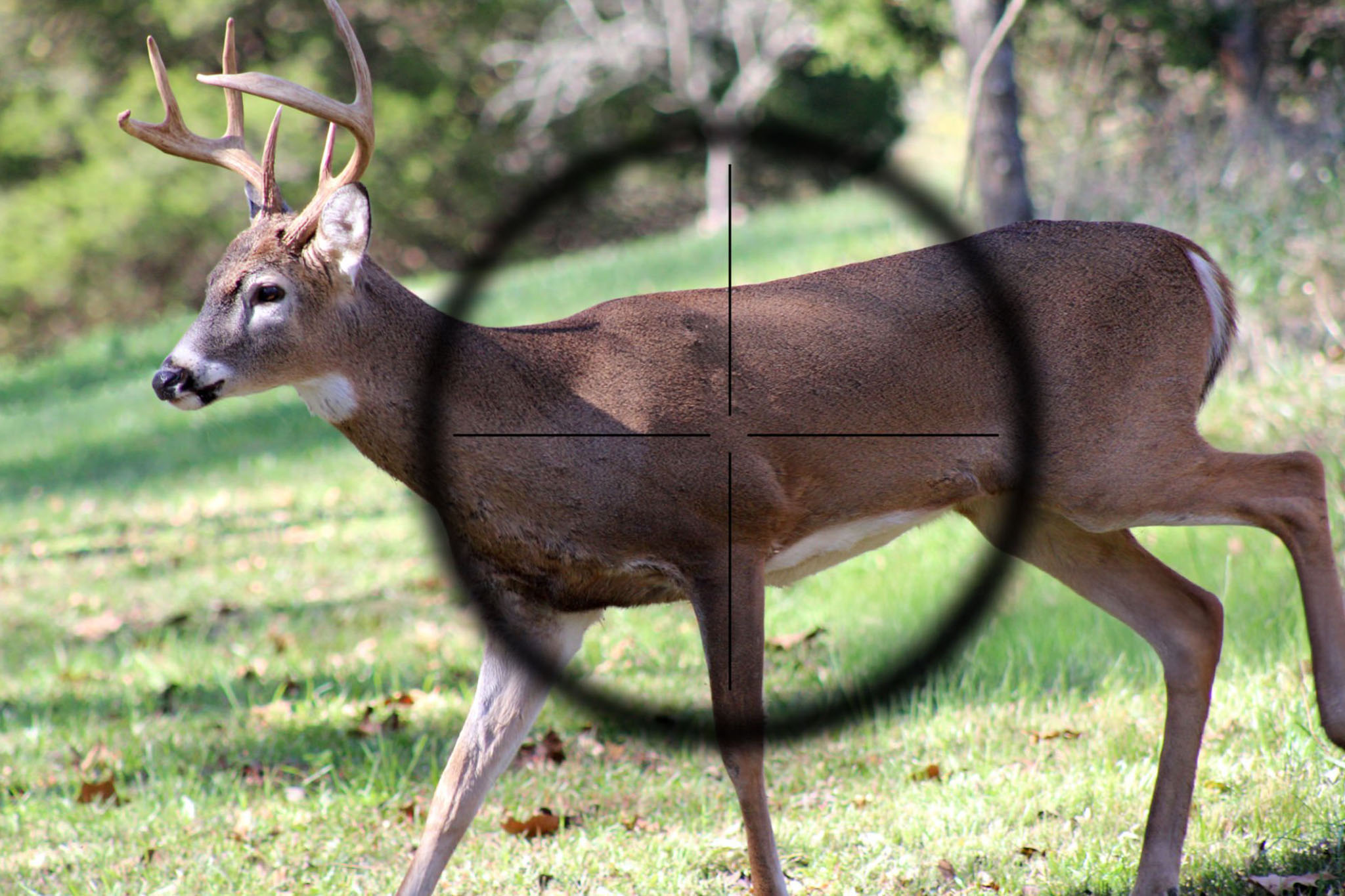
When winter sets in and daylight hours shrink, deer behavior undergoes a noticeable shift. Hunters and wildlife enthusiasts often observe changes in feeding patterns, movement, and preferred habitats. Understanding these seasonal adjustments isn’t just valuable for hunters looking to increase their success—it’s also crucial for land managers and conservationists aiming to support healthy deer populations through the cold months.
Why Daylight Length Matters
Deer are highly responsive to photoperiod, the natural cycle of light and darkness. As days shorten in late fall and early winter, their internal clocks trigger changes in metabolism and activity. This is the same process that sparks the rut, but after breeding season ends, deer adjust their priorities to focus on energy conservation and survival.
Shorter days mean less time to feed, so deer become more strategic with when and where they browse. They rely on cover and predictable food sources, often shifting to new feeding areas that balance calorie intake with safety.
Nutritional Priorities in Winter
Unlike summer, when protein-rich forage supports antler growth and lactation, winter diets are about calories and digestibility. Deer need to conserve energy while keeping body heat, so they often shift to food sources high in carbohydrates and fiber. Common winter foods include:
- Agricultural fields: Corn, soybeans, and winter wheat provide high-energy calories.
- Woody browse: Twigs, buds, and stems of trees and shrubs serve as fallback food when snow covers fields.
- Mast crops: Acorns left from the fall remain an important food source in areas with oak trees.
- Food plots: Managed land often provides brassicas, clover, and turnips that hold nutritional value into winter.
Movement and Feeding Windows
In warm months, deer may feed throughout the night and into early morning. But during short winter days, their feeding windows compress. Hunters often notice increased movement at dawn and dusk, when deer maximize their foraging while still using darkness and thick cover for protection.
On extremely cold days, deer may delay feeding until late afternoon, conserving energy during the harshest hours and moving when temperatures slightly rise. Snow depth also plays a big role—deep snow pushes deer into sheltered areas with less travel required between bedding and food.
Survival Strategies in Harsh Conditions
Deer reduce movement in the dead of winter to conserve calories, often sticking close to bedding areas. They choose south-facing slopes, evergreen cover, and sheltered valleys that block wind. These thermal refuges keep them warm while staying within short distance of dependable food.
When food is scarce, deer shift to a survival diet, browsing on woody plants and whatever remains accessible. Their metabolism slows, allowing them to survive longer periods without high-calorie meals.
Implications for Hunters
For hunters, recognizing these shifts is critical. Winter success depends on adjusting strategies:
- Focus on food sources: Find standing crops, mast-rich oak stands, or managed food plots.
- Scout bedding-to-feeding routes: Deer travel shorter distances, so locate the tight corridors between heavy cover and food.
- Time hunts with weather changes: Before storms or during a warming trend, deer often increase movement and feeding activity.
- Respect winter pressure: Overhunting bedding areas or food sources can push deer into less accessible cover, reducing visibility.
Supporting Deer Through Winter
For landowners and conservationists, providing winter forage and cover is essential. Planting food plots, leaving some crops standing, and maintaining forest edge diversity all contribute to healthy deer herds. Managing pressure during harsh winters also ensures survival rates remain strong for future seasons.
Final Thoughts
Deer are masters of adaptation, and winter feeding habits reflect their instinct for survival. As daylight shrinks, they prioritize calories, shelter, and efficiency. For hunters, understanding these short-day patterns can mean the difference between an empty stand and a successful harvest. For land stewards, supporting these behaviors ensures that deer enter spring in good health, ready for the next cycle of growth and reproduction.
