
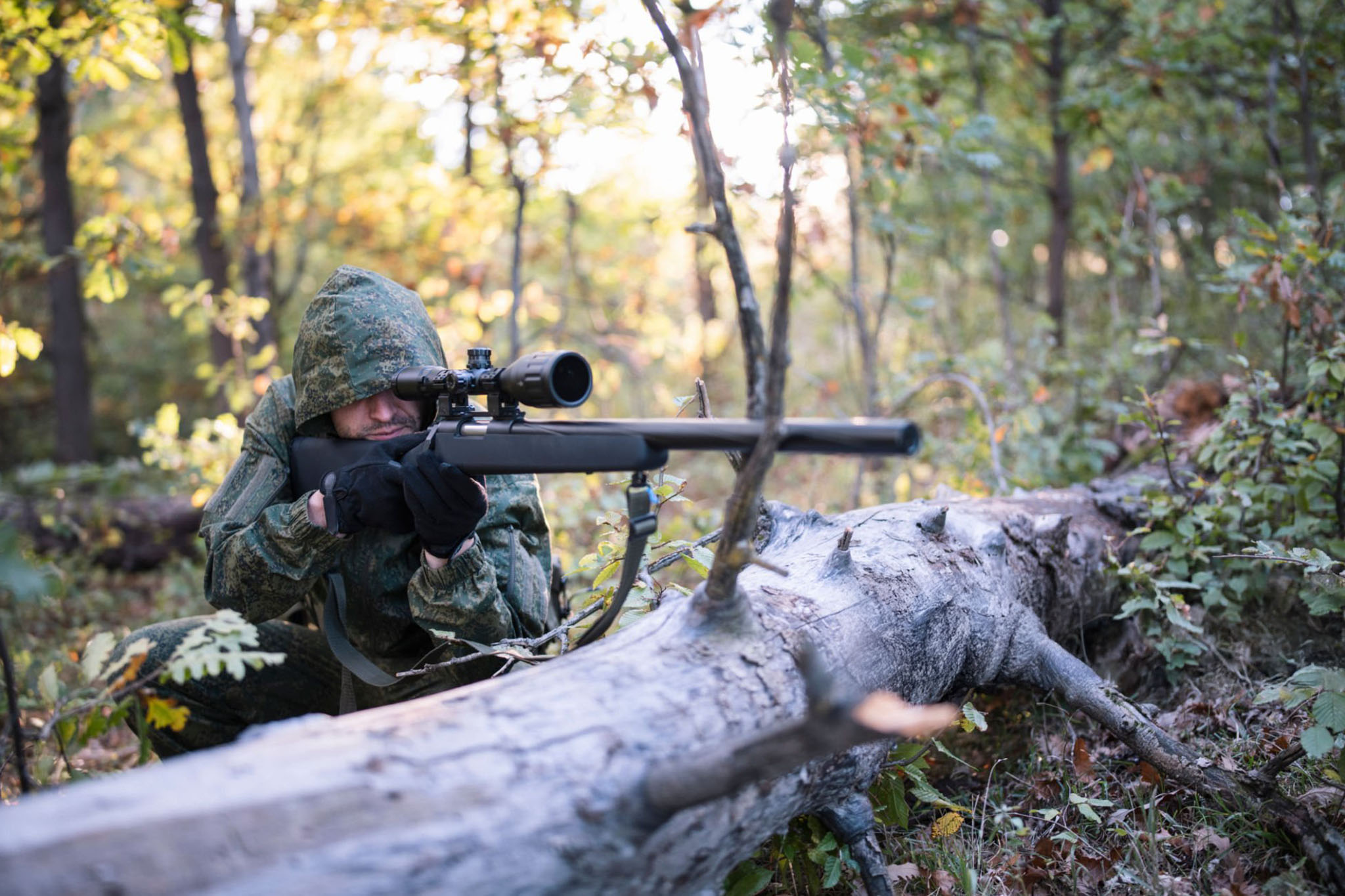
When late fall sets in and the woods start to look bare, hunters often assume deer are easier to spot. But whitetails are masters of survival, and they quickly adjust to the season’s pressure by tucking themselves into the thickest cover they can find. For hunters who understand how to read these dense habitats, timber stands and heavy cover become prime ambush locations for filling a tag.
In this article, we’ll break down why deer favor thick timber, how to position yourself for success, and the strategies that separate successful hunters from frustrated ones.
Why Deer Seek Thick Timber in Fall
Deer don’t choose thick cover randomly—it’s a survival instinct shaped by pressure and weather.
- Hunting Pressure: By late fall, deer have survived weeks of bowhunters and often the first waves of gun season. They retreat into areas where they feel hidden and secure.
- Thermal Protection: Dense stands of cedar, pine, or hardwood thickets provide a natural windbreak and hold warmth during cold snaps.
- Food and Bedding in One: Thick timber often grows near mast-producing trees or brush that provide both food and cover. Bucks love minimizing travel when pressured.
- Escape Routes: Thick cover gives deer multiple exit strategies, allowing them to vanish when danger approaches.
Locating Productive Timber Stands
Not all thick cover is equal. Some patches may look perfect but hold little deer activity. Focus your scouting on:
- Edges and Transitions
Look for spots where dense timber meets open fields, clear-cuts, or creek bottoms. Deer travel along these edges, using cover for safety while still accessing food. - Natural Funnels
Ridges, valleys, and old logging roads that cut through thick timber act as highways. Deer naturally filter through these choke points. - Bedding Pockets
Identify clusters of evergreen stands or tangled brush where deer bed during the day. Setting up between bedding and evening food sources can be deadly. - Sign Concentrations
Rub lines, scrapes, and fresh tracks inside or near timber edges confirm that bucks are using the area.
Setting Up for the Ambush
Ambushing deer in thick timber requires a different approach than hunting open fields.
- Treestand Placement
Pick trees with natural cover to break up your outline. Avoid wide-open trunks where deer can spot you easily. Hanging a stand just inside the timber edge can give you a shooting lane without being exposed. - Ground Blinds
In brush-heavy areas, a well-brushed-in ground blind can provide both concealment and comfort. Position blinds near travel corridors where deer filter through naturally. - Wind and Thermals
In thick cover, scent control is critical. Pay attention to wind shifts and thermals in valleys. Always set up so your scent blows away from bedding or trails. - Quiet Entry and Exit
Crashing through brush will ruin your setup before it starts. Use logging trails, creek beds, or leaf-cleared paths to access your stand silently.
Hunting Tactics That Work
- Midday Hunts
Deer pressured into timber stands often move during midday, avoiding dawn and dusk traffic. A late-morning sit in thick cover can catch bucks returning to bed. - Rattle and Grunt Calls
Sound carries differently in timber. Subtle rattling or grunts can lure curious bucks that bed within earshot. - Small Shooting Lanes
Instead of clearing wide openings, trim only a few shooting lanes. Too much disturbance alerts deer that something has changed. - Patience Pays
In timber stands, deer sightings may be fewer, but when they happen, the encounters are often at close range. Staying put and trusting your setup is key.
Mistakes to Avoid
- Over-Hunting a Stand: Returning to the same timber patch too often educates deer and pushes them deeper. Rotate stands.
- Ignoring Wind: Thick cover may feel sheltered, but swirling winds are common. Always check before committing to a spot.
- Forcing Long Shots: Heavy cover isn’t the place for long-range opportunities. Accept that most shots will be 20–40 yards.
Final Thoughts
Timber stands and thick cover aren’t easy hunting environments, but they’re where mature whitetails feel safest during late fall. By focusing on bedding pockets, edges, and natural funnels—and by respecting wind and entry routes—you can turn these overlooked areas into some of the best ambush sites of the season.
If you’re tired of watching empty fields after the rut, head into the thick timber. That’s where the big bucks are waiting.
