
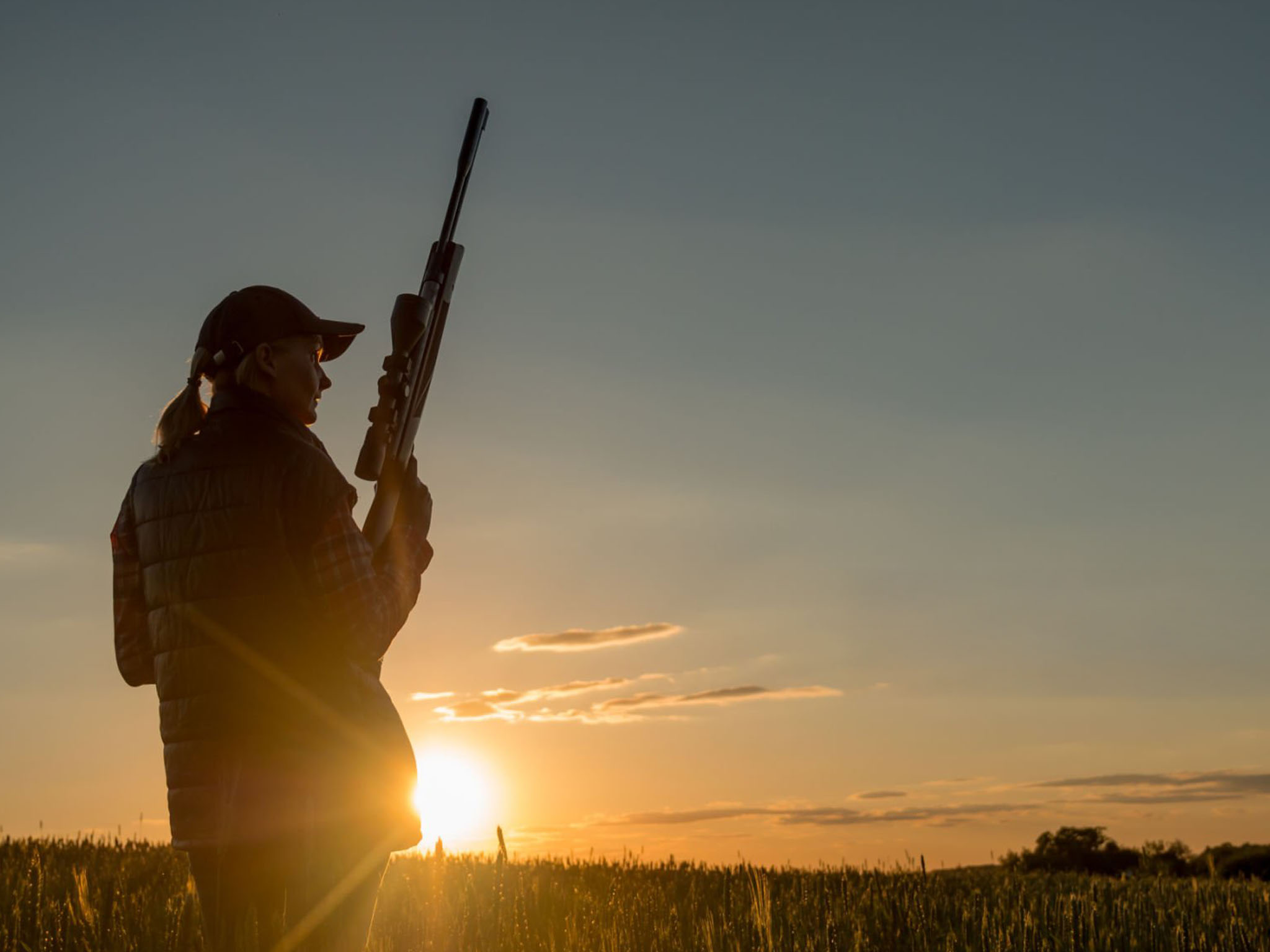
When it comes to hunting whitetail deer, few factors influence your success more than the wind. Hunters often obsess over scouting, stand placement, and timing, but if you ignore wind direction and scent control, even the most carefully planned hunt can unravel in seconds. Deer live and die by their noses, and understanding how to position yourself according to wind and terrain can mean the difference between going home empty-handed or dragging a trophy buck from the woods.
Why Wind Matters for Whitetail Hunting
Whitetails rely heavily on their sense of smell, which is thousands of times stronger than that of humans. They use the wind to detect predators, locate food, and even communicate with other deer. If your scent drifts into a deer’s path, your hunt is effectively over. Even when you’re completely silent and camouflaged, one whiff of human odor will send a buck bounding into the next county.
That’s why wind isn’t just a detail in deer hunting—it’s the foundation of success. Learning to use wind direction to your advantage allows you to approach stands undetected, sit longer without being busted, and put yourself in the right position for a clean shot.
Mastering Wind Direction Basics
The golden rule of deer hunting is simple: Always hunt with the wind in your favor. But in practice, this requires more than just checking the forecast before you head out.
- Prevailing Wind: Know the typical wind patterns in your hunting area. In many regions, winds shift during fall cold fronts, which can influence deer movement as much as temperature drops.
- Thermals: In hilly terrain, thermals—air currents caused by temperature changes—can dramatically alter wind flow. In the morning, cool air sinks downhill; in the evening, warm air rises. Experienced hunters use this to their advantage when choosing stand locations.
- Swirling Winds: In areas with thick cover or uneven terrain, winds can shift and swirl, spreading your scent in unpredictable ways. Always test the wind on-site with powder, milkweed fluff, or lightweight indicators rather than relying solely on forecasts.
Choosing the Right Stand Location
The best hunting spots are worthless if the wind works against you. When setting up a stand or blind, always consider how your scent will travel.
- Field Edges: If deer are entering fields to feed, place your stand where your scent won’t blow into bedding areas or the trail they use.
- Travel Corridors: When hunting funnels or pinch points, position yourself so your scent drifts away from the main trail, even if it means adjusting your exact stand tree by a few yards.
- Bedding Areas: Hunting close to bedding requires surgical precision. Only hunt these spots when the wind direction guarantees your scent won’t blow into the deer’s sanctuary.
Scent Control: A Necessary Layer
Even with perfect wind awareness, scent control remains crucial. Wind direction is never 100% predictable, so minimizing your odor gives you a margin of error.
- Wash hunting clothes in scent-free detergent and store them in airtight containers.
- Shower with unscented soap before hunts and avoid strong odors like gasoline or smoke.
- Use ozone machines or carbon sprays to further reduce scent signature.
- Always wear rubber boots when accessing stands to limit ground scent.
Moving with the Wind in Mind
Approaching your stand silently is just as important as where you sit. Plan your entry and exit routes so the wind doesn’t carry your scent into feeding or bedding areas. Deer often pattern hunters faster than hunters pattern deer, so vary your routes and times when possible.
- Use creeks, ditches, or open fields for quiet, scent-safe approaches.
- Avoid walking across high-traffic deer trails.
- Leave stands only when you know the wind won’t betray your presence.
The Payoff: Silent Success
When you align your setup with the wind, you’re no longer hunting against a deer’s senses—you’re using them against him. A buck that feels secure because he “thinks” the wind is in his favor is far more likely to move during daylight. By planning around wind direction, you increase your odds of seeing mature deer up close, all while remaining undetected.
Final Thoughts
Wind is the invisible player in every whitetail hunt. You can’t see it, but whitetails trust it with their lives. Successful hunters treat the wind not as an afterthought, but as a central part of strategy. By mastering wind direction, thermals, and scent control, you can turn the deer’s greatest defense into your greatest weapon.
In whitetail country, silence isn’t just about sound—it’s about scent. Play the wind right, and you’ll find yourself in bow range of the buck you’ve been chasing all season.
