
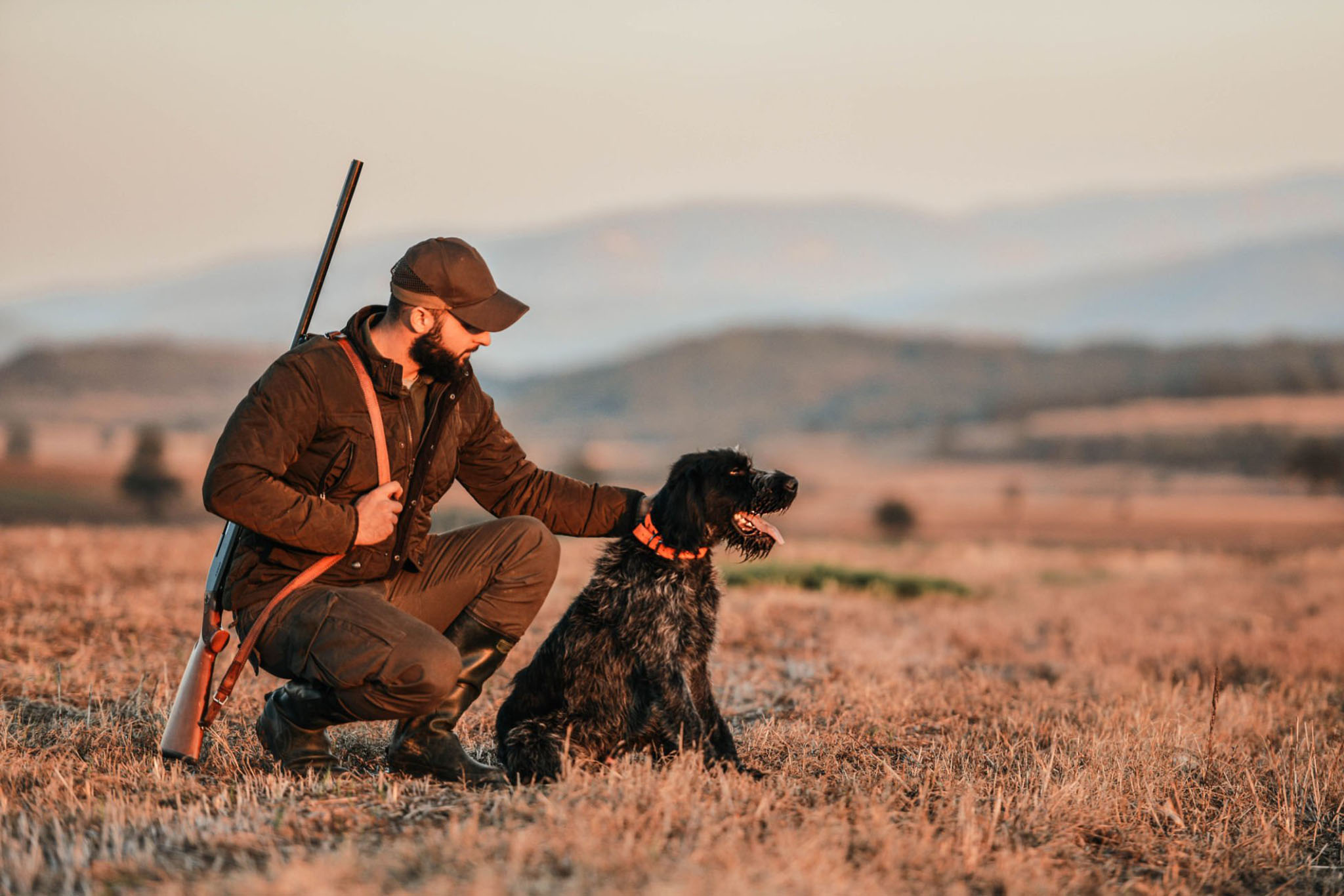
Hunters have long recognized that the line where open fields meet wooded cover—the edge habitat—is one of the most productive places to encounter wildlife in the fall. These transition zones provide food, shelter, and security all in one, making them natural gathering points for whitetails, turkeys, and even small game. For hunters looking to increase their odds, learning to read and hunt these edges is one of the smartest strategies you can adopt.
Why Edge Habitat Holds Game
Edge zones are the ecological equivalent of a buffet. Deer and other game animals prefer them because they can:
- Browse easily on tender plants, mast, and agricultural leftovers.
- Retreat quickly into nearby timber when danger approaches.
- Travel discreetly between bedding and feeding areas.
Unlike the monotony of deep timber or open fields, edges offer a rich variety of food and cover within a short distance. That diversity translates into more consistent animal movement and higher hunter success rates.
Whitetails on the Edge
For deer hunters, edges are prime locations, especially in the fall. Whitetails often stage in thick cover just inside the timber before venturing into open fields at dusk. Bucks, in particular, feel safer using these transition zones during daylight hours, where they can scent-check for does and watch for danger without exposing themselves.
Placing a stand or blind along these edges—especially where natural funnels, trails, or pinch points intersect—dramatically increases your odds of intercepting deer movement.
Reading the Best Edges
Not all edges are created equal. When scouting, focus on:
- Diverse plant growth: Areas where grasses, shrubs, and trees overlap often provide the best browse.
- Topographic features: Edges along ridges, creek bottoms, or benches tend to concentrate movement.
- Man-made field edges: Corn, soybean, and hayfield borders are deer magnets during harvest season.
- Brushy transition zones: Overgrown fencerows or young timber growth create both cover and food.
The richer the habitat diversity, the more likely game animals will use it consistently.
Hunting Strategies for Edge Success
1. Stand Placement
Position yourself just inside the timber line, where you remain concealed but can still observe open areas. This balance lets you catch deer moving in both directions—heading to feed in fields or retreating to bed.
2. Wind and Access
Edges are heavily trafficked by wildlife, so scent and approach are critical. Always set up downwind of expected travel routes and use cover like hedgerows or ditches to slip in quietly.
3. Timing Your Hunts
- Early morning: Watch for deer leaving fields and slipping back into cover.
- Evenings: Focus on deer staging along edges before entering fields at dusk.
- Midday: In pressured areas, bucks may skirt edges quietly to scent-check bedding cover.
4. Mixing Scouting and Patience
Trail cameras along edges can reveal consistent travel patterns. Once you’ve confirmed deer movement, resist overhunting—edges lose their advantage if deer feel pressured.
Beyond Deer: Other Game on the Edge
Edges don’t just attract whitetails.
- Turkeys scratch along field borders for insects and seeds.
- Coyotes and foxes patrol edges where prey transitions between cover types.
- Rabbits and upland birds thrive in brushy edges with thick understory.
For multi-species hunters, these habitats are reliable year-round hotspots.
Final Thoughts
The edge habitat advantage is simple: more food, more cover, more movement. Hunters who master the art of reading these transition zones consistently find themselves in the right place at the right time. Whether you’re after a mature buck slipping out for an evening feed, turkeys scratching the border, or predators hunting along the margins, edges are where the action happens.
If you want to elevate your late-season hunts, stop overlooking the obvious. The line where fields meet timber might just be your ticket to filling tags.
