
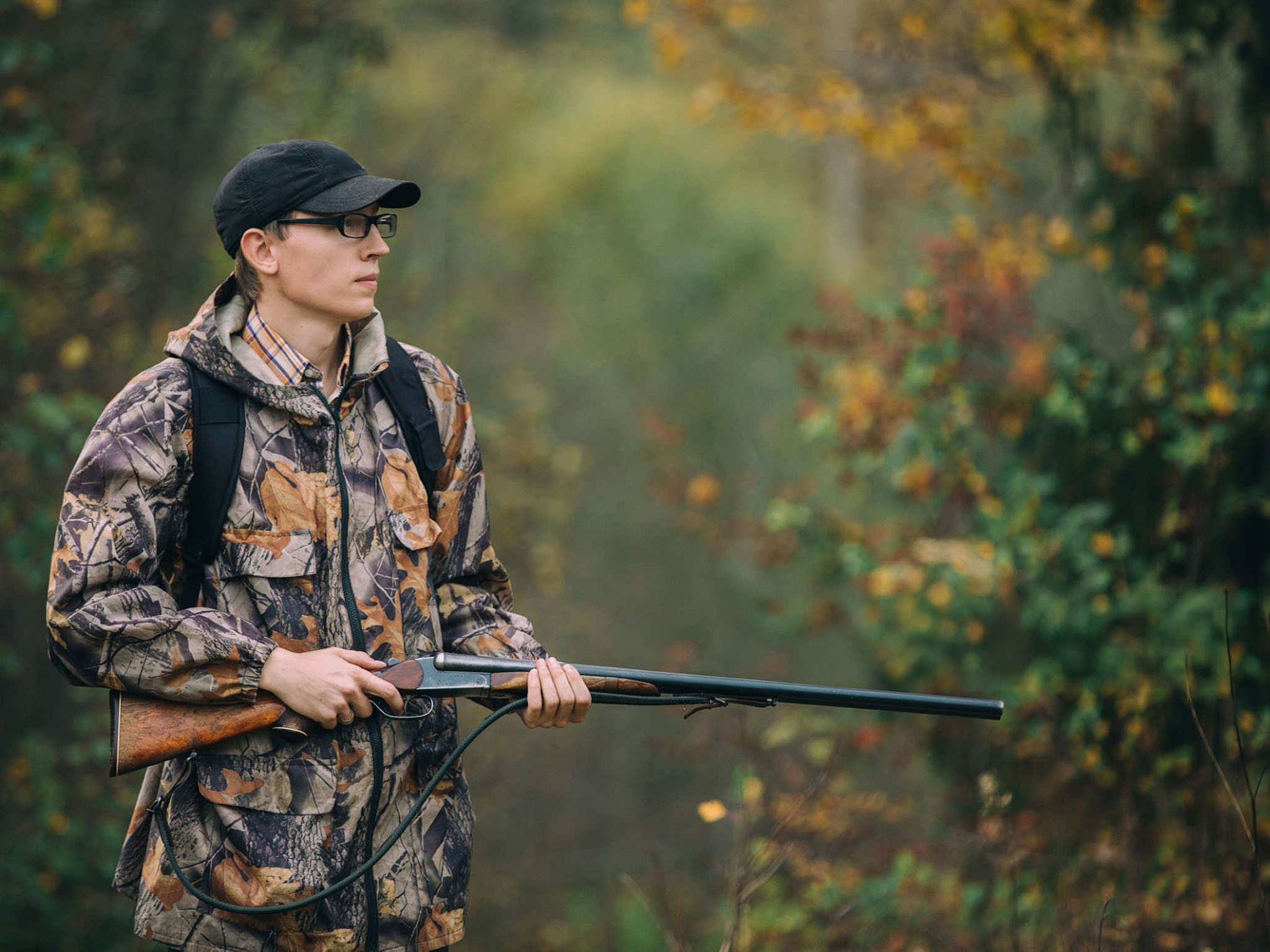
For many waterfowl hunters, September marks the unofficial kickoff to duck season. Early teal hunts and resident duck openers provide the first opportunities of the year to dust off decoys, practice calling, and feel that crisp morning air. But here’s the truth: in September, overcalling is one of the fastest ways to send ducks flaring out of shotgun range.
When it comes to early-season calling, less really is more. Ducks in September behave differently than late-season flocks, and hunters who adjust their approach are far more likely to fool these sharp-eyed birds.
Why Early-Season Ducks Are Different
Before hunting pressure peaks, September ducks are:
- Less experienced with hunters: Many young-of-the-year ducks are seeing decoys and hearing calls for the first time.
- Highly localized: They’re still keying in on small wetlands, creeks, and farm ponds near food sources.
- Quicker to spook: With plenty of options for safe resting areas, they won’t tolerate unnatural sounds or movement.
Because of this, hammering on a call like it’s mid-December can do more harm than good.
The Case for Subtle Calling
September hunts reward subtlety. Instead of blasting a hail call across the marsh, successful hunters focus on light, realistic sounds:
- Single Quacks: A few sharp, clean quacks can be enough to reassure passing birds.
- Feeding Chuckles: Keep it soft and irregular, as though ducks are simply dabbling in shallow water.
- Whistles for Teal: Early teal respond well to high-pitched whistles but shy away from aggressive mallard calls.
Think of your call as background noise rather than a constant conversation. Your job is to confirm that the spread is safe—not to give a Broadway performance.
Timing Matters More Than Volume
One of the biggest mistakes new hunters make is calling too much, too early. Ducks flying a straight line to a roost or feeding pond often don’t need convincing—they’re already going where they want to go. Instead:
- Wait until ducks veer off course. A soft quack can pull them back toward your spread.
- Use calling to finish birds. Once ducks show interest, gentle calling helps coax them into range.
- Stay silent if they’re already committed. Nothing ruins a perfect approach faster than an out-of-place note.
Patience beats noise in September.
Matching Calls to Conditions
Wind, weather, and location all influence how ducks respond to calling in early season:
- Calm mornings: Ducks hear everything. Soft, well-timed quacks work better than loud calling.
- Windy days: You can add a little more volume, but keep the cadence natural.
- Small waters: On ponds or creeks, minimal calling is often best—let decoys and motion do the work.
- Open marshes: A few more notes may help pull birds from a distance, but avoid running a call constantly.
Always adjust your strategy to the environment rather than sticking to one routine.
Using Decoys and Motion Instead
In September, decoys and natural movement often do the heavy lifting:
- Spinner decoys (where legal) are especially effective on early teal.
- Feeder butts and jerk rigs provide subtle ripples that reassure ducks from afar.
- Natural spreads—like mixing in coots, pintails, or geese—can make your setup look more convincing without needing to blow a call every 30 seconds.
Remember: the less ducks hear unnatural sounds, the more they rely on visual cues, which you control with your decoy spread.
Practice for Later in the Season
One hidden benefit of September hunts is practice. By keeping your calling minimal in the field, you can save the heavy routines for the blind at home:
- Work on clean, crisp single notes.
- Perfect your cadence without overblowing.
- Train your ear to recognize when calling is necessary versus when it’s not.
This discipline will make you a stronger caller come November, when pressured flocks require more finesse.
Final Thoughts
Calling ducks in September isn’t about showing off—it’s about restraint. Early-season birds are unpressured, uneducated, and easily fooled if you avoid spooking them with excessive noise. By sticking to subtle quacks, light chuckles, and well-timed whistles, you’ll find that less calling often puts more birds in the decoys.
When in doubt this September, remember: it’s not about how much you call, but how little you need to.
