
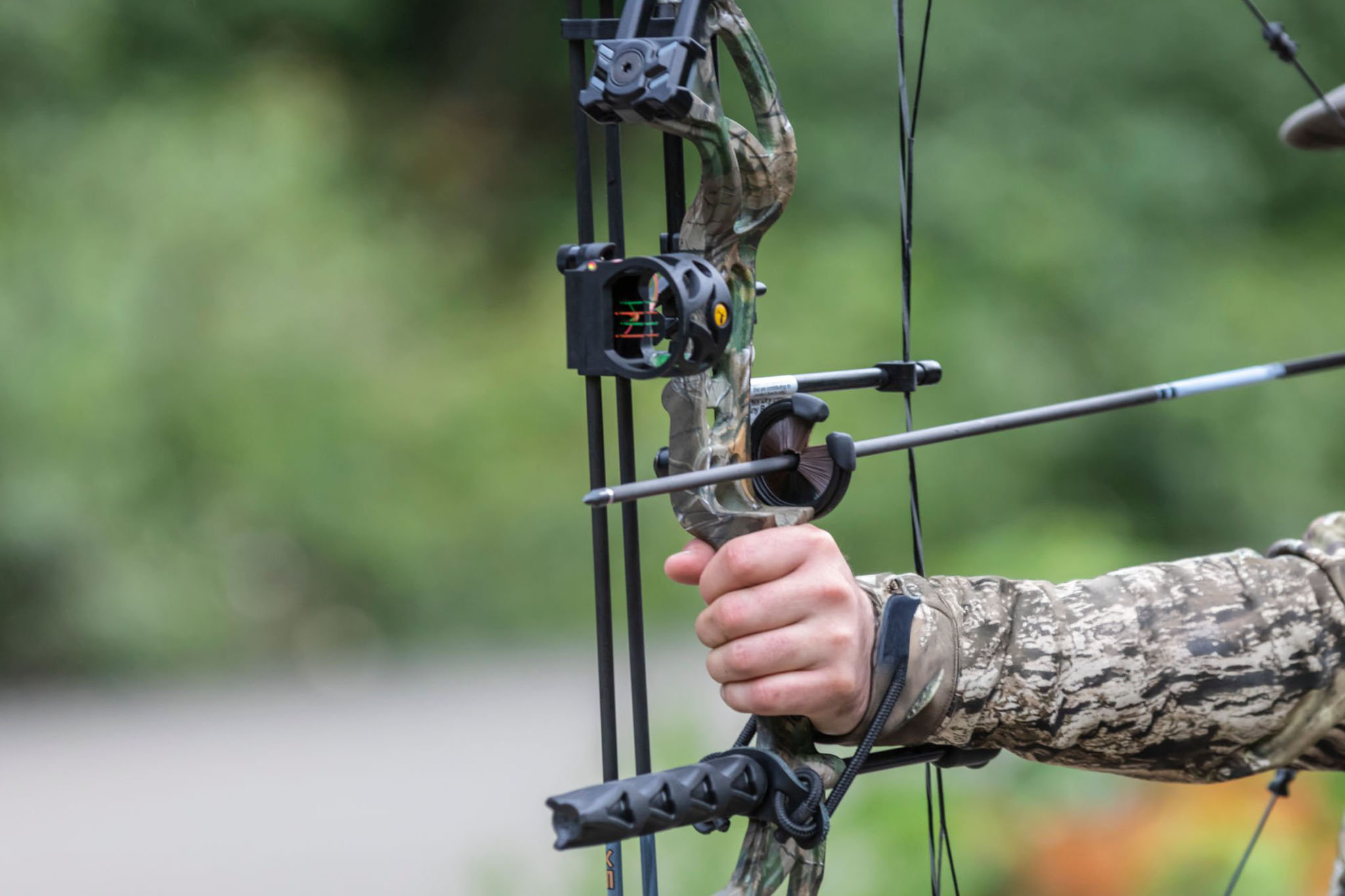
Opening week of bow season is one of the most anticipated times of the year for deer hunters. The air is still warm, food plots are lush, and bucks are often predictable in their late-summer patterns. Yet, the biggest mistake many bowhunters make is rushing into the woods too aggressively. The hunters who consistently notch tags early in the season understand one key truth: patience is the ultimate weapon.
In this article, we’ll break down why patience pays off during the first days of bow season, from scouting strategies to stand timing, and how you can avoid burning out your best spots before the rut even begins.
Early Season Excitement vs. Long-Term Success
When opening day finally arrives, it’s tempting to sit your best stand over the hottest food source or bedding area you scouted all summer. After all, you’ve been watching bucks on trail cameras for weeks. But barging in too early can blow deer off their patterns, especially when they’re still in tight home ranges.
Successful bowhunters play the long game. They resist the urge to hunt their prime stands right away, saving them for the perfect combination of wind, temperature, and deer movement. By waiting for conditions to line up, you increase your odds of a close encounter rather than spooking deer and ruining the setup for the rest of the season.
Scouting from Afar
Patience in opening week often means observing more than you hunt. Glassing from field edges, sitting in observation stands, or monitoring trail cameras at a distance can tell you when deer are moving without adding human scent to the woods.
This low-impact scouting gives you real-time data. Are bucks still hitting soybeans in the evening? Have they shifted to acorns or cornfields? By holding back and watching first, you can make your move with confidence instead of guessing.
Timing Entry and Exit Routes
Even if you know where deer are feeding, patience extends to how and when you enter the woods. Charging in at the wrong time or walking the wrong route can leave scent trails that deer will pick up instantly.
A patient bowhunter waits for the right wind direction, enters quietly, and leaves without disturbing deer in the area. Sometimes that means skipping a hunt altogether rather than risking an encounter that educates a mature buck.
Weather Windows
Opening week often brings warm temperatures, and whitetails move less during daylight in the heat. Instead of burning out stands in unfavorable weather, save your sits for when conditions shift—like the first cool front of September.
These weather windows can trigger a sudden increase in movement, and being patient until then can make the difference between an empty sit and punching your tag.
Avoiding Over-Hunting
Another reason patience matters is stand longevity. Hunting the same field edge or bedding funnel night after night leaves scent behind and teaches deer your pattern. A mature buck only needs one bad encounter to switch to nighttime movement.
Spacing out your hunts and rotating stands keeps your best spots fresh. That way, when conditions align, the deer haven’t grown wary of human pressure.
The Mental Side of Patience
Finally, patience isn’t just about tactics—it’s about mindset. Opening week isn’t a race. Too many hunters treat the season like a sprint, piling pressure on deer early. In reality, bow season is a marathon. The hunter who paces himself, adapts to changing deer behavior, and waits for the right shot opportunity usually ends up more successful than the one who forced the action too soon.
Final Thoughts
Opening week bowhunting is full of anticipation, but rushing in rarely produces consistent results. By scouting from a distance, timing your hunts around favorable weather, and resisting the urge to over-hunt your best stands, you can set yourself up for success not only in the first week, but throughout the entire season.
When it comes to early-season bowhunting, remember this: patience isn’t doing nothing—it’s setting yourself up for the right opportunity. And when that opportunity finally comes, you’ll be glad you waited.
