
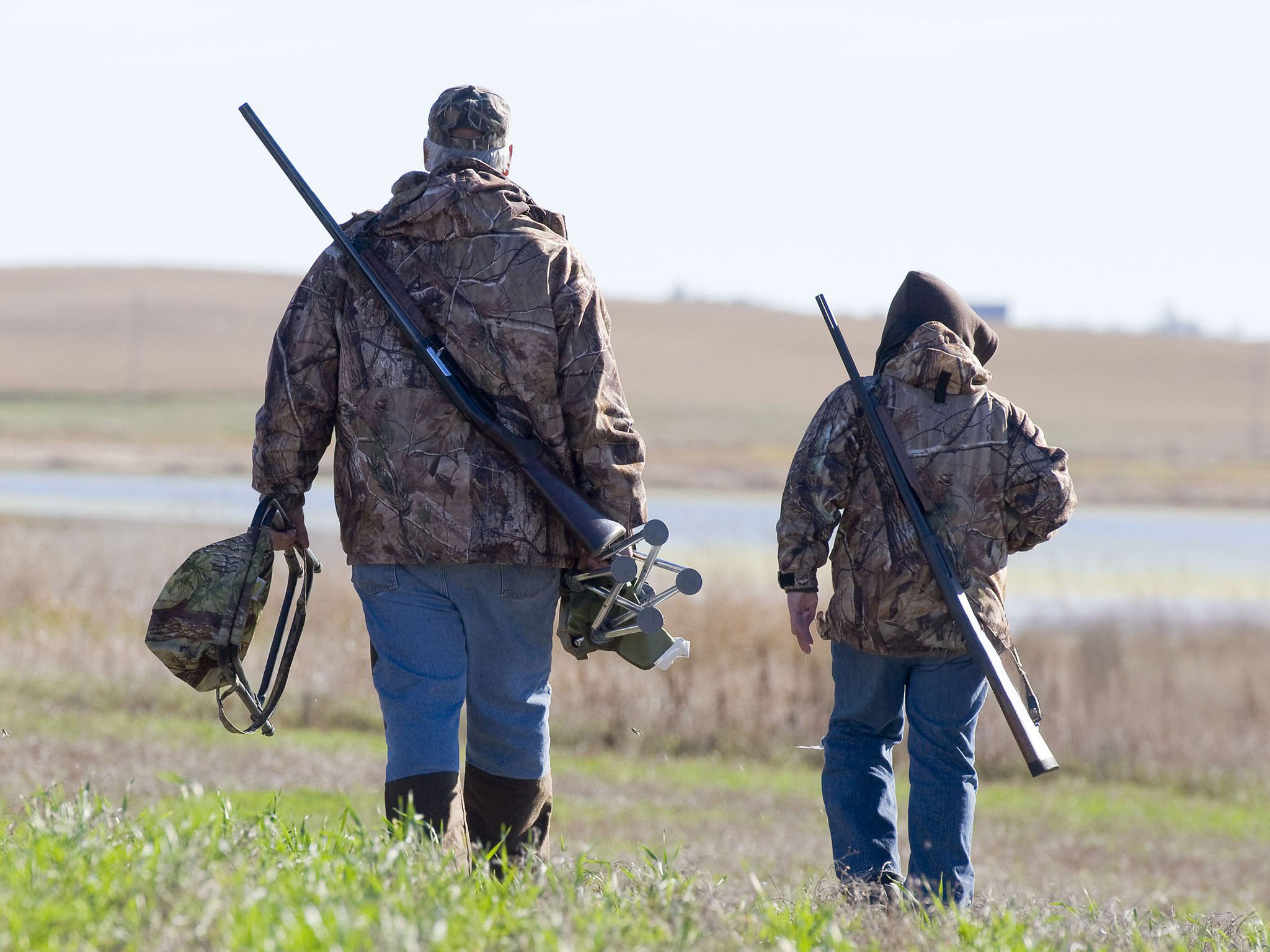
Late fall deer hunting is when the stakes get high. Bucks are worn down from the rut, food sources are shrinking, and hunting pressure has made deer far more cautious. At this stage of the season, good stand placement isn’t just about picking a tree with a view—it’s about aligning your location with the land’s natural features and the way wind interacts with them. Mastering both topography and wind is what separates the casual hunter from the consistent late-season tag-filler.
Why Late Fall Stand Placement is Different
Earlier in the season, hunters can rely on food sources like soybeans, acorns, or alfalfa fields to dictate stand location. But by late fall, food is scarce and deer shift into survival mode. They rely more heavily on cover and the subtle advantages of terrain to move safely. At the same time, cooling temperatures and shifting weather fronts make wind direction more variable, complicating your setup.
To succeed, you need to use the land’s topography and wind currents together as one system.
Understanding How Topography Guides Deer Movement
Deer rarely walk across landscapes at random. They use terrain features to conserve energy and stay hidden. Here’s how:
- Ridges and Saddles: Deer often travel just below the ridgeline to avoid being skylined, making saddles natural pinch points.
- Benches on Hillsides: Flat shelves partway down a ridge act like highways for deer, especially in steep country.
- Creek Bottoms and Drainages: These areas offer cover and easier walking, often serving as travel corridors between bedding and feeding areas.
- Edges of Cover: Deer love to travel the seam where timber meets fields, cutovers, or brushy thickets.
If your stand takes advantage of one of these natural funnels, you’ve already improved your odds.
How Wind Behaves in Rolling Terrain
Wind doesn’t always travel in straight lines. The way it flows through hills, valleys, and timber can make or break a hunt.
- Thermals: In the morning, cool air sinks downhill; in the evening, rising warm air pulls scent upward. Knowing this helps predict where your scent will travel.
- Eddies and Swirls: Hills and ridges create swirling winds that can betray your position. Stands near ridgelines often suffer from unpredictable currents.
- Wind Tunnels: Saddles and narrow valleys funnel wind in a predictable direction, making them excellent ambush spots.
Hunters who ignore these subtleties often find themselves “busted” even when hunting the “right” wind.
Marrying Topography and Wind for Stand Placement
This is where Stand Placement 2.0 comes in—placing stands not just where deer travel, but where the wind works for you.
- Saddle + Crosswind: Set up on the downwind side of a saddle so you cover both the funnel and keep your scent out of the main trail.
- Benches with Evening Thermals: On hillsides, place stands above benches in the evening when thermals pull scent upward. Deer traveling along the bench won’t wind you.
- Creek Bottom with Morning Thermals: Morning air sinks into drainages, so position stands above travel routes rather than directly in the bottom.
- Edge Cover with Consistent Wind: Field edges often have straighter wind currents—ideal for stands downwind of known entry trails.
Tools for Precision Stand Placement
Modern hunters have more tools than ever to predict wind and terrain effects:
- Mapping Apps: Platforms like onX, HuntStand, or BaseMap help you read topography and plan access routes.
- Wind Apps: Tools like Windy or HuntWise show real-time wind direction and forecasted shifts.
- Milkweed Test: Old-school but effective—drop a milkweed seed from your stand to track subtle thermal movement.
Combining these tools with boots-on-the-ground scouting gives you an edge few hunters use to full advantage.
Access: The Overlooked Factor
Even the best stand location is ruined by a bad approach. In late fall, deer are highly alert, and crunching across open ground or walking with the wind at your back will undo all your careful planning. Use creeks, ditches, or brush lines for stealthy access, and always enter with the wind and thermals in mind.
Final Thoughts
Late fall whitetail hunting is about refinement. Deer are wary, conditions are variable, and mistakes are costly. By mastering how topography influences deer travel and how wind interacts with the land, you elevate your stand placement strategy from basic to advanced—what we call Stand Placement 2.0.
When the woods are bare and the season is winding down, success belongs to hunters who think like the wind and move like the terrain.
