
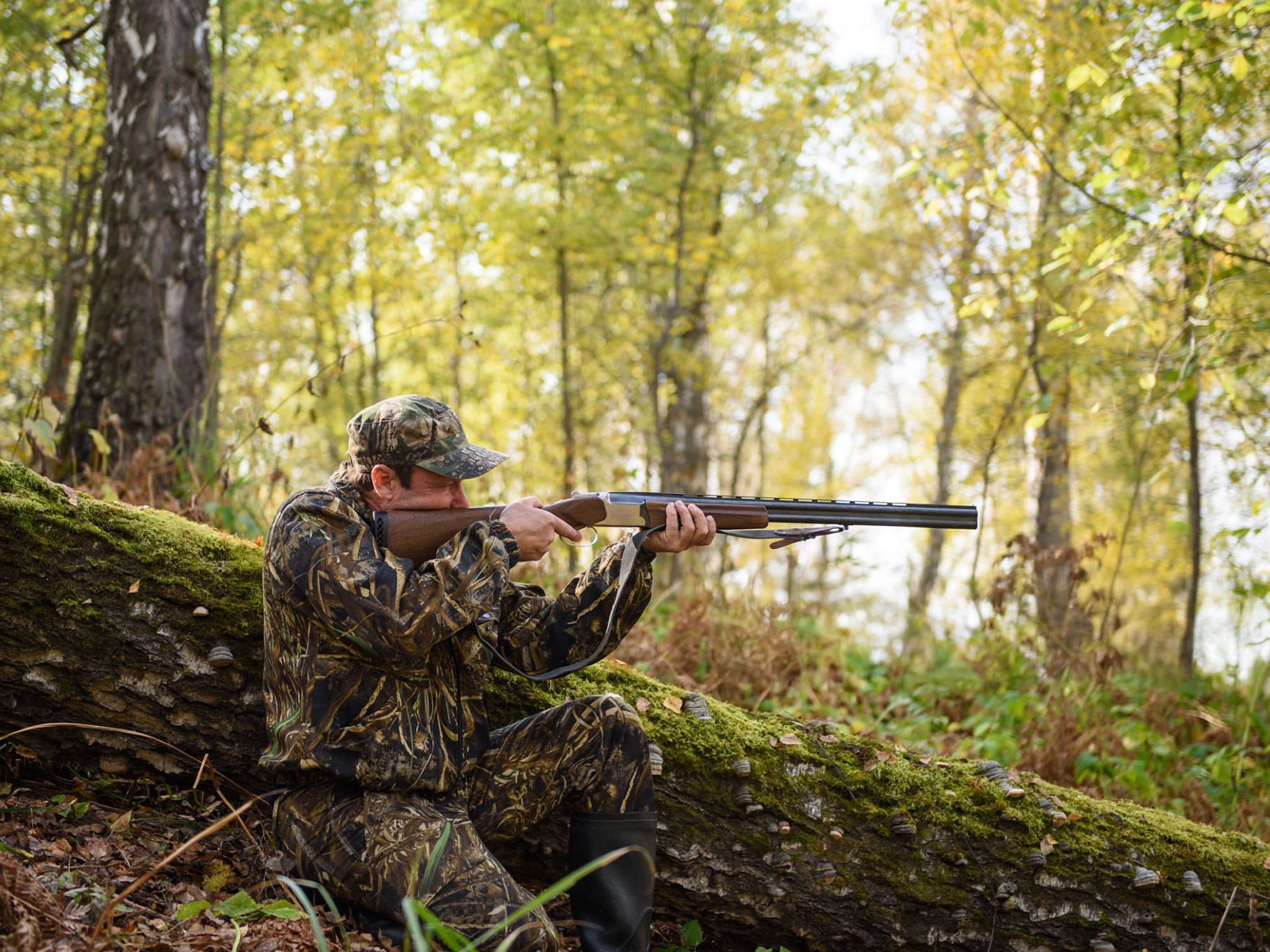
For many hunters, nothing defines the essence of deer season more than crisp mornings, fiery autumn foliage, and the unmistakable crunch of fallen leaves underfoot. While beautiful, those leaves present a major challenge for hunters who rely on stealth. Whitetails have keen hearing, and the sound of a snapped twig or a careless step on dry oak leaves can send them bounding into the timber before you ever see them.
Still, it’s possible to move quietly—and effectively—through leaf-littered woods. Stalking whitetails on crunchy fall leaves requires patience, timing, and a strategy built around the natural rhythms of the forest.
Why Stealth Matters in Fall
Whitetails rely heavily on their ears and nose in the fall. With hunting pressure ramping up and rut activity beginning, deer are hyper-aware of unusual sounds. Unlike the softer ground of early season, autumn woods amplify every misstep. A sloppy approach can spook deer long before they’re within range.
Learning to walk quietly is about more than silence—it’s about blending into the natural soundscape.
Choosing the Right Conditions
Timing your stalk is half the battle. Here’s when to move:
- Windy Days: Gusts rattle branches and mask your steps. Use these moments to cover ground.
- Damp Conditions: A light rain or morning dew softens leaves, making movement quieter.
- During Squirrel Season Sounds: Wildlife scurrying through the woods naturally creates background noise. Deer expect it.
Pro Tip: Avoid calm, dry afternoons. Even the faintest step can carry a hundred yards in still air.
Footwork and Movement Techniques
Walking in the woods during fall is an art. Try these techniques to reduce noise:
- Heel-to-Toe Roll: Place your heel first, then slowly roll your foot forward. This mimics natural animal movement.
- Step on Soft Spots: Moss, logs, or bare soil patches are your best friends.
- Pause Often: Take a few steps, then stop. Let the woods settle. Whitetails often relax if noises fade quickly.
- Match the Rhythm: Imitate the irregular pace of squirrels or turkeys scratching—deer are less alarmed by uneven, “wild” patterns than steady human strides.
Reading the Wind
Even the quietest stalk fails if the wind betrays you. Always approach with the wind in your face or at least crosswind. Deer can forgive a faint crunch if they don’t smell danger—but if your scent drifts toward them, the game is over.
Using Terrain and Cover
- Ridges and Hollows: Move along the backside of ridges or in creek bottoms where sounds are absorbed.
- Natural Barriers: Use rock outcrops, brush, or standing crops to conceal your movement.
- Shadows and Sun: Position yourself where lighting helps break up your outline.
Gear for Silent Stalking
Having the right gear can make or break a still-hunt on crunchy leaves:
- Quiet Clothing: Avoid swishy fabrics; choose soft fleece or wool.
- Light Boots: Thin-soled boots allow you to “feel” the ground before committing weight.
- Binoculars: Glass ahead before moving. Sometimes you’ll spot a deer before it ever hears you.
Patience Wins Hunts
The biggest mistake hunters make on crunchy leaves is moving too fast. Whitetails spend hours listening for threats. If you take ten minutes to move twenty yards, you’re hunting at a deer’s pace. Stalking success comes not from how far you go, but from how deliberately you cover ground.
Final Thoughts
Hunting whitetails on crunchy fall leaves is one of the greatest challenges in deer hunting. But it’s also one of the most rewarding. By choosing the right conditions, mastering quiet movement, and letting patience guide your approach, you can turn the noisy forest floor into an opportunity instead of an obstacle.
Remember: every step in the woods tells a story. Make yours sound like it belongs.
