
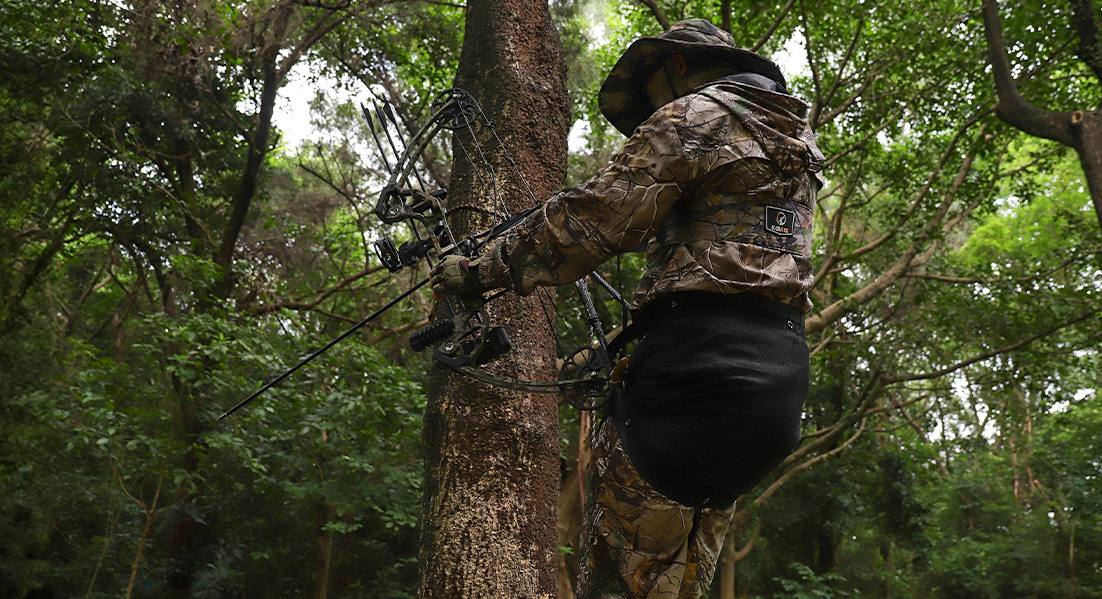
The opening days of gun season bring excitement, anticipation, and—unfortunately for hunters chasing wary whitetails—an immediate surge in hunting pressure. Deer that were once visible in fields at dusk suddenly vanish, bedding tighter and moving more cautiously. If you want to find success after the first barrage of shots, you’ll need to rethink your approach, adapt to changing patterns, and outsmart pressured bucks.
Why Hunting Pressure Changes Deer Behavior
Deer are highly adaptable animals. Once hunters flood the woods, they react fast:
- Shift to Nocturnal Patterns: Deer quickly limit daylight movement, relying on nighttime to travel between food and bedding.
- Seek Security Cover: Thick brush, swamp bottoms, and overlooked corners become their safe havens.
- Alter Travel Routes: Bucks abandon predictable trails for less obvious paths that hunters rarely scout.
Understanding these pressure points is the first step toward regaining the upper hand.
Finding the Overlooked Spots
When hunters crowd the obvious fields and ridgelines, pressured deer push into secondary locations. Focus your efforts on:
- Thick Cover and Swamps: Nasty terrain that deters most hunters often hides mature bucks.
- Edge Habitat: Small woodlots near farms or overlooked hedgerows can hold deer no one else bothers to check.
- Steep or Remote Terrain: Bucks often move to areas that are physically harder for hunters to access.
Hunting Tip: Use aerial maps or apps like OnX to pinpoint overlooked spots. If it’s tough to get to, it’s more likely to hold pressured deer.
Timing Is Everything
Gun season isn’t just about where you hunt—it’s about when.
- Midday Hunts: Pressured deer often adjust feeding and movement patterns. Bucks may slip out of cover around noon, especially if hunters have pushed them early in the morning.
- Weather Shifts: A cold front or light snow can restart daylight movement, giving you a window of opportunity.
- Second Week Advantage: As hunter numbers drop off, deer slowly resume semi-normal routines.
Hunting Tip: Don’t overlook midday sits. Many hunters leave the woods for lunch, giving you the quiet advantage.
Stand Placement Strategies
- Downwind of Bedding: Pressured bucks spend more time in thick cover. Set up just off the downwind side of bedding areas.
- Travel Funnels: Saddles, creek crossings, or narrow timber strips still act as natural highways, even under pressure.
- Quiet Entry: Getting to your stand without alerting deer becomes more important than ever.
Hunting Tactics for Pressured Deer
- Still-Hunting: Move slowly and methodically, using wind and cover to your advantage.
- Ground Blinds: Portable blinds in overlooked spots let you adapt quickly.
- Short, Strategic Hunts: Instead of long sits in worn-out stands, hunt fresh spots for a few hours at high-activity times.
- Sound Discipline: Crunching leaves, metallic clicks, and coughs stand out even more in pressured woods.
Gear and Preparation
- Optics: Binoculars let you glass thick edges without stepping in and spooking deer.
- Scent Control: With deer on high alert, minimizing human odor is critical.
- Comfortable Clothing: Late gun season often brings cold weather. Staying warm means you can outlast other hunters in the field.
Final Thoughts
The first waves of gun season create a ripple effect that changes deer behavior dramatically. Bucks that once walked confidently in daylight retreat to hidden sanctuaries, move at odd hours, and test every hunter’s patience. But for those willing to adapt—by seeking overlooked cover, hunting smarter hours, and practicing stealth—success is still within reach.
Gun season isn’t about giving up after opening weekend. It’s about reading pressured deer, finding their safe zones, and being persistent enough to stay one step ahead.
