
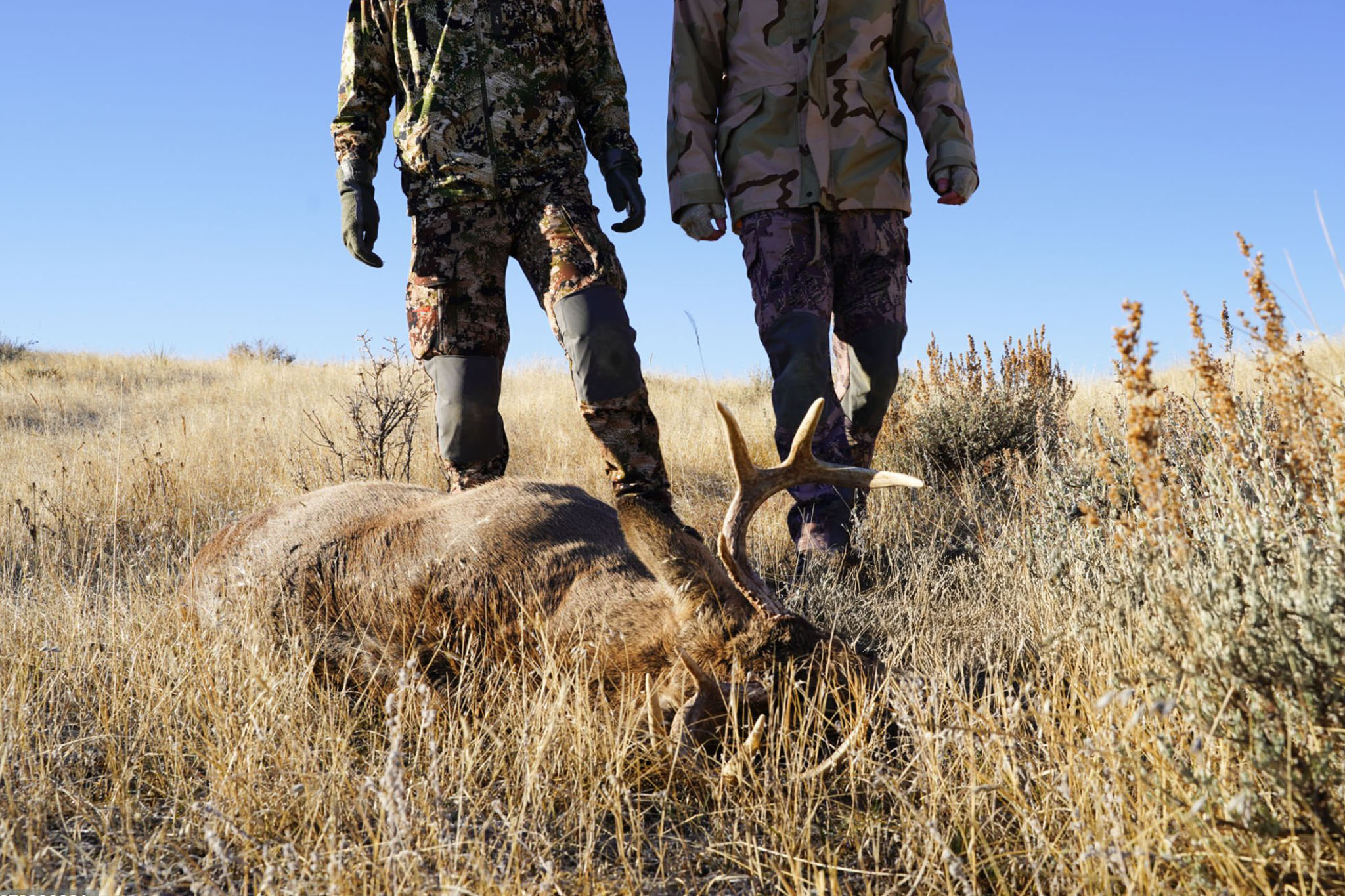
As autumn sweeps across the countryside, hunters aren’t the only ones adapting to the shifting landscape. Whitetail bucks adjust their routines as summer’s lush green canopy gives way to open woods and crunchy leaves underfoot. Understanding how falling foliage changes cover—and how deer respond—can give hunters a serious edge during this transitional season.
Why Autumn Cover Matters for Deer Movement
Cover is life for deer. It provides concealment from predators, comfort in changing weather, and security while traveling between bedding and feeding areas. In early fall, thick greenery masks much of the forest floor, but as leaves drop, deer lose their visual barrier. Bucks respond by shifting travel routes, altering bedding locations, and becoming more cautious in daylight.
Hunters who key into these adjustments can predict where deer will funnel and when they’ll move most actively.
Bedding Areas in Thinning Cover
- Early Fall Bedding: Bucks often bed in brushy edges or within thick stands of undergrowth where shade and greenery offer concealment.
- Mid to Late Fall Shift: As cover thins, bucks push deeper into hollows, creek bottoms, and areas with evergreen growth for better security.
Hunting Tip: Scout for signs like fresh rubs and oval-shaped beds in these secondary cover zones. A trail camera on the downwind edge of thick evergreen patches often reveals buck movement during daylight.
Food Sources and Travel Corridors
Autumn brings shifting food priorities:
- Acorns and Mast Crops: Oaks dropping acorns become hot spots. Bucks will risk more exposed routes to feed, especially in the evening.
- Crop Fields: Corn and soybeans play an early role, but once harvested, deer are pushed back into woods and natural forage.
Hunting Tip: Focus on travel corridors that still offer cover—hedgerows, creek lines, or brushy ditches. Bucks will use these “living hallways” as safe passage between food and bedding.
The Edge Effect in Fall
Edges are always prime deer real estate, but in autumn they become even more critical. As interior woods open up, bucks hug transition zones between timber and fields, or between hardwoods and pines. These areas offer both cover and quick escape routes.
Hunting Tip: Set tree stands 20–40 yards inside timber edges where deer feel secure moving before dark. Overhanging branches and fallen leaves often create natural scrapes—signposts bucks revisit frequently.
Weather and Leaf Drop Influence
- Early Leaf Drop: Sudden thinning of foliage may make bucks move primarily at night, avoiding exposure.
- Gradual Transition: A steady shift allows deer to adapt without completely abandoning daylight patterns.
- Windy Days: Moving leaves mask hunter noise, creating a rare opportunity for still-hunting or slipping closer to bedding areas.
Adapting Hunting Strategy
To make the most of autumn’s cover changes, hunters should:
- Reposition Stands: Adjust locations weekly if necessary to keep pace with shifting deer routes.
- Use Natural Backdrop: As leaves fall, hunters become more visible too—blend with tree trunks and remaining foliage.
- Stay Flexible: Be ready to hunt edges one week and creek bottoms the next as cover shifts.
Final Thoughts
Falling leaves reshape the deer woods as much as any seasonal change. Bucks respond instinctively, moving to secure travel corridors, bedding in thicker cover, and frequenting reliable food sources. For hunters, understanding this seasonal shuffle can mean the difference between empty woods and a filled tag.
By tuning into how autumn cover influences deer patterns, you can position yourself where the bucks feel safe moving—and catch them when they least expect it.
