
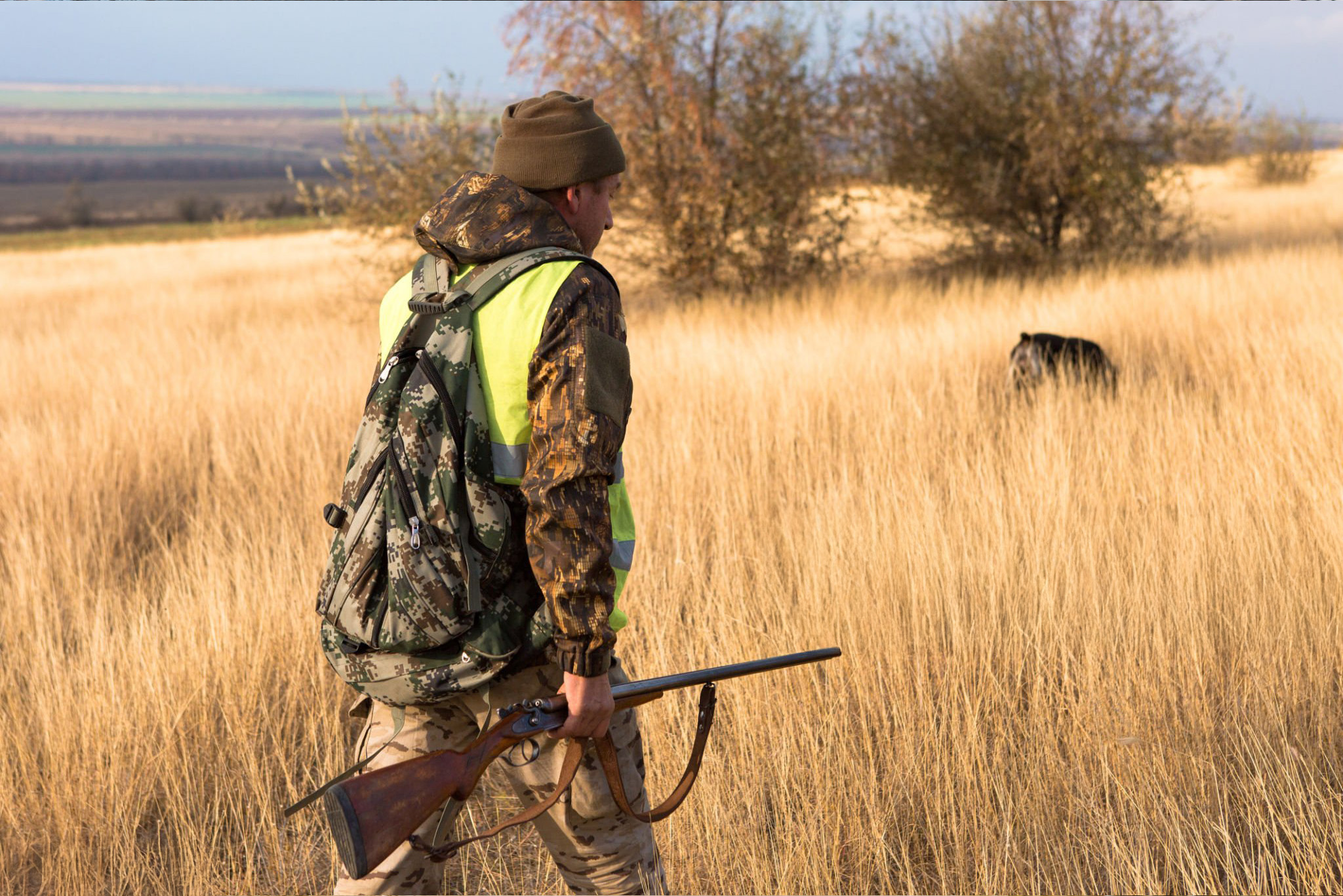
Fall hunting season always comes with a mix of anticipation and unpredictability. While hunters prepare for peak rut activity, Mother Nature has her own way of keeping things interesting. Rapid weather swings — from warm afternoons to sudden cold fronts — can dramatically influence whitetail deer movement. Understanding how these changes affect deer behavior is the key to adapting your hunt strategy and making the most of your time in the woods.
Why Weather Swings Matter for Whitetails
Whitetails are highly attuned to their environment. Any shift in temperature, barometric pressure, wind, or precipitation can alter their daily routines. Unlike humans, deer don’t have the luxury of thermostats or jackets. Their behavior is directly tied to comfort, safety, and energy conservation.
During fall, these swings can come quickly: a warm spell followed by a sharp frost, or a sudden rainstorm turning into high winds. Recognizing how whitetails respond to each scenario gives hunters a major edge.
Temperature Shifts: Heat Slows, Cold Sparks Movement
- Warm spells: When temperatures climb higher than seasonal norms, deer often limit movement to cooler hours. Expect reduced daytime activity and focus on hunting the first and last light of the day. Bedding areas closer to water or shaded cover become prime locations.
- Cold fronts: A sharp drop in temperature usually sparks increased deer activity. Deer need to feed more heavily to generate body heat and prepare for upcoming rut activity. The 24–48 hours after a cold front are some of the best times to be in the stand.
Barometric Pressure and Deer Movement
Hunters often debate the role of barometric pressure, but studies and field reports suggest deer movement peaks when pressure is rising or steady after a weather system passes.
- Falling pressure: Deer may hunker down, anticipating a storm.
- Rising pressure: Expect an uptick in feeding and movement, especially in the evening hours.
Wind Direction and Hunting Setup
Whitetails live and die by their noses, and shifting winds can make or break your hunt.
- Changing winds: Force deer to adjust bedding and travel routes. Smart hunters should do the same, repositioning stands or blinds to stay undetected.
- Consistent winds: Provide predictable travel patterns. Once you know where deer bed and feed, use wind direction to intercept them along transition lines.
Precipitation: Rain, Snow, and Everything Between
- Light rain: Can be a blessing for hunters. Rain muffles sound and washes away scent, making it easier to approach stand locations without spooking deer.
- Heavy rain or storms: Expect deer to bed down. Once the storm passes, movement usually spikes as deer get back on their feet to feed.
- First snowfalls: Often trigger extended feeding activity, as deer adjust to new ground cover and food availability.
Practical Strategies for Hunters
- Monitor weather apps closely – Look for drops in temperature, rising pressure, or the break in a storm system as indicators of peak deer activity.
- Stay mobile – Use portable stands, saddles, or ground blinds to adapt quickly when wind or weather shifts.
- Scout food sources – Weather swings often dictate feeding urgency. Fresh cut cornfields, acorns, and green food plots are magnets when conditions change.
- Hunt transition zones – Deer frequently use edges between timber and fields when moving during unsettled weather.
- Be patient – Sometimes weather swings mean deer movement will be short and concentrated. Stay on stand longer than usual to maximize your chances.
Final Thoughts
Weather is one of the greatest variables in whitetail hunting, but also one of the most predictable when studied carefully. Sudden cold snaps, shifting winds, and changes in barometric pressure all influence deer behavior in ways hunters can use to their advantage. By adapting your strategy to match these swings, you can turn unpredictable conditions into opportunities.
When the forecast looks unsettled, don’t stay home. Grab your gear, adjust your setup, and trust that whitetails will respond to the weather — and you’ll be ready when they do.
