
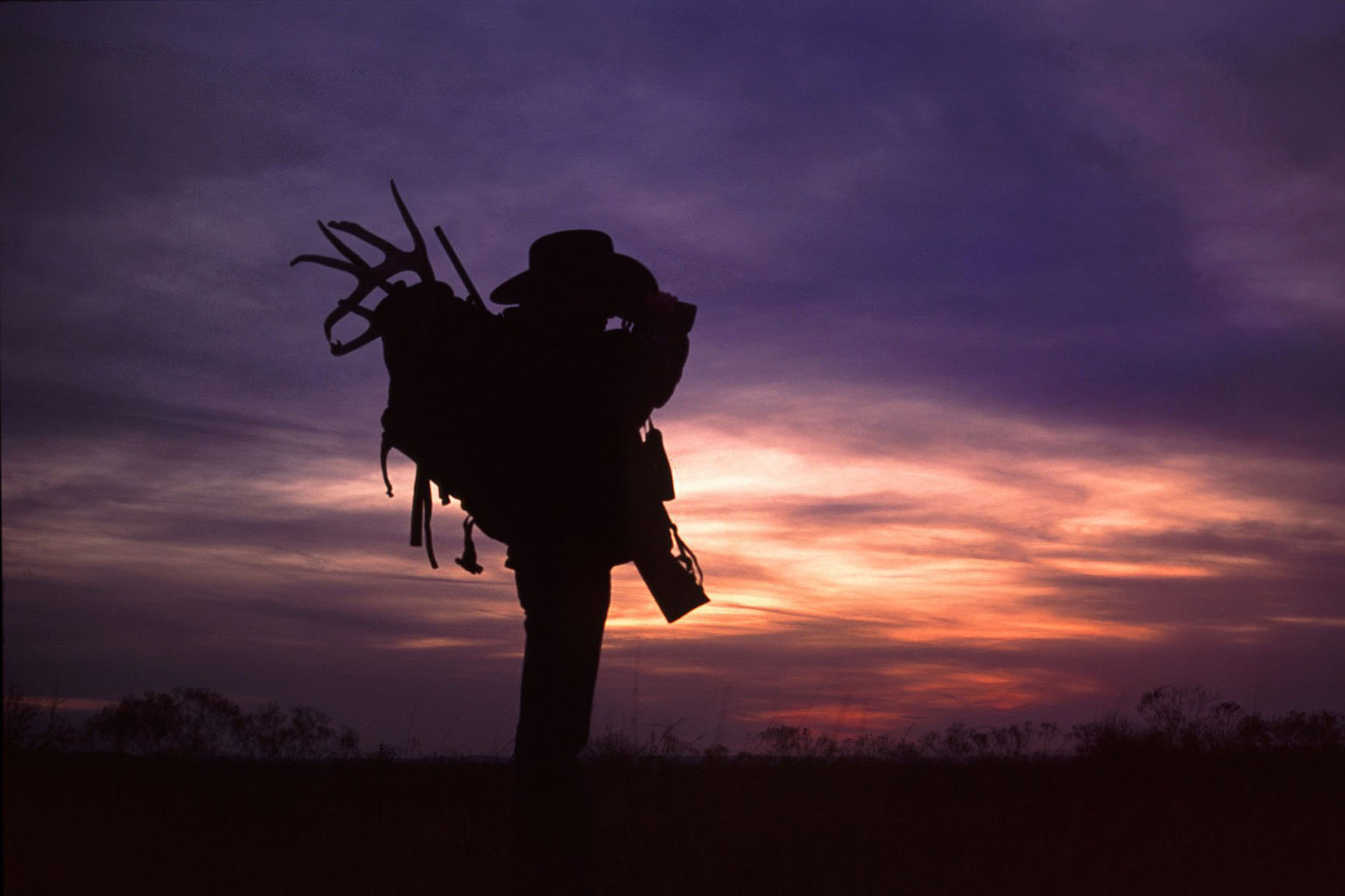
As fall deepens and the first frosts blanket the fields, seasoned hunters know this is more than just a seasonal change—it’s a natural signal that sets deer into motion. Understanding how cold snaps influence whitetail behavior can give you the upper hand when planning your hunts. This is the time when big bucks leave their summer patterns behind and start showing up in places you’ve been scouting all season.
Why the First Frost Matters
The first frost isn’t just about chilly mornings; it’s a biological cue for deer. Shorter days, cooler nights, and sudden cold snaps affect their feeding behavior, metabolism, and travel patterns. Whitetails begin burning more calories to stay warm, which means they spend more time on their feet and less time bedded down.
For hunters, this means you’ll often see increased daylight movement right after the season’s first frost—an ideal window for spotting deer that might otherwise stay nocturnal.
Food Becomes the Priority
When frost hits, certain food sources become either more attractive or less available. Here’s how whitetails respond:
- Soybeans and Alfalfa: Once frost bites these plants, deer move on to heartier forage.
- Acorns: A major food source in early to mid-fall. Deer seek out the most abundant acorn flats, often during daylight.
- Cut Corn Fields: After the first frost, standing or recently harvested corn becomes a magnet for hungry deer.
- Green Plots: Clover, brassicas, and winter wheat often hold deer as other plants lose their nutritional edge.
Positioning your stand near these frost-proof food sources is one of the smartest strategies for early-winter success.
Cold Snaps and Deer Movement
A sudden temperature drop—especially one that coincides with the first frost—triggers more than just feeding. Bucks begin to expand their range, laying down scrapes and rubs, while does travel more openly in search of food. Some key behaviors to watch for:
- Earlier Evening Movement: Deer rise from their beds sooner to feed in fields.
- Longer Morning Activity: Cold mornings keep deer moving later than usual.
- Pre-Rut Routines: Frost often aligns with the pre-rut phase, when bucks check scrapes and start shadowing does.
Best Tactics for First Frost Hunts
Success during this window depends on more than luck—it’s about matching your approach to changing deer behavior.
- Hunt the Food–to–Cover Transition
Position your stand along the travel routes that connect bedding areas to late-season food. Deer rarely expose themselves in open fields during daylight, but they’ll stage in transition zones where cover meets food. - Time Cold Fronts Precisely
If a frost is forecasted after a warm spell, plan to hunt the first clear, crisp evening that follows. This is often when deer move most actively. - Stay Quiet and Scent-Free
Cold air carries scent more efficiently, so careful wind management is critical. Hunt with winds blowing away from food sources and approach stands without cutting across deer trails. - Adjust Gear for Cold Conditions
Frost hunts mean longer, colder sits. Insulated boots, layered clothing, and quiet, non-reflective outerwear help you stay comfortable without sacrificing stealth.
Why Hunters Love Frost Season
For many hunters, those first frosty mornings are among the most memorable of the year. Frost outlines deer trails in white, the crunch of leaves underfoot carries farther, and steam from a buck’s breath hangs in the air at sunrise. More importantly, it’s when preparation meets opportunity—bucks that seemed invisible in early fall suddenly appear in shooting light.
Final Thoughts
The first frost is more than a seasonal shift—it’s nature’s alarm clock for deer. Cold snaps increase feeding urgency, extend daylight activity, and align with the onset of pre-rut behaviors. For hunters who recognize these changes and adapt their strategy, frost season offers some of the best chances to put a mature whitetail in range.
This fall, don’t just watch the weather—hunt it. When frost hits the ground, it’s time to be in the stand.
