
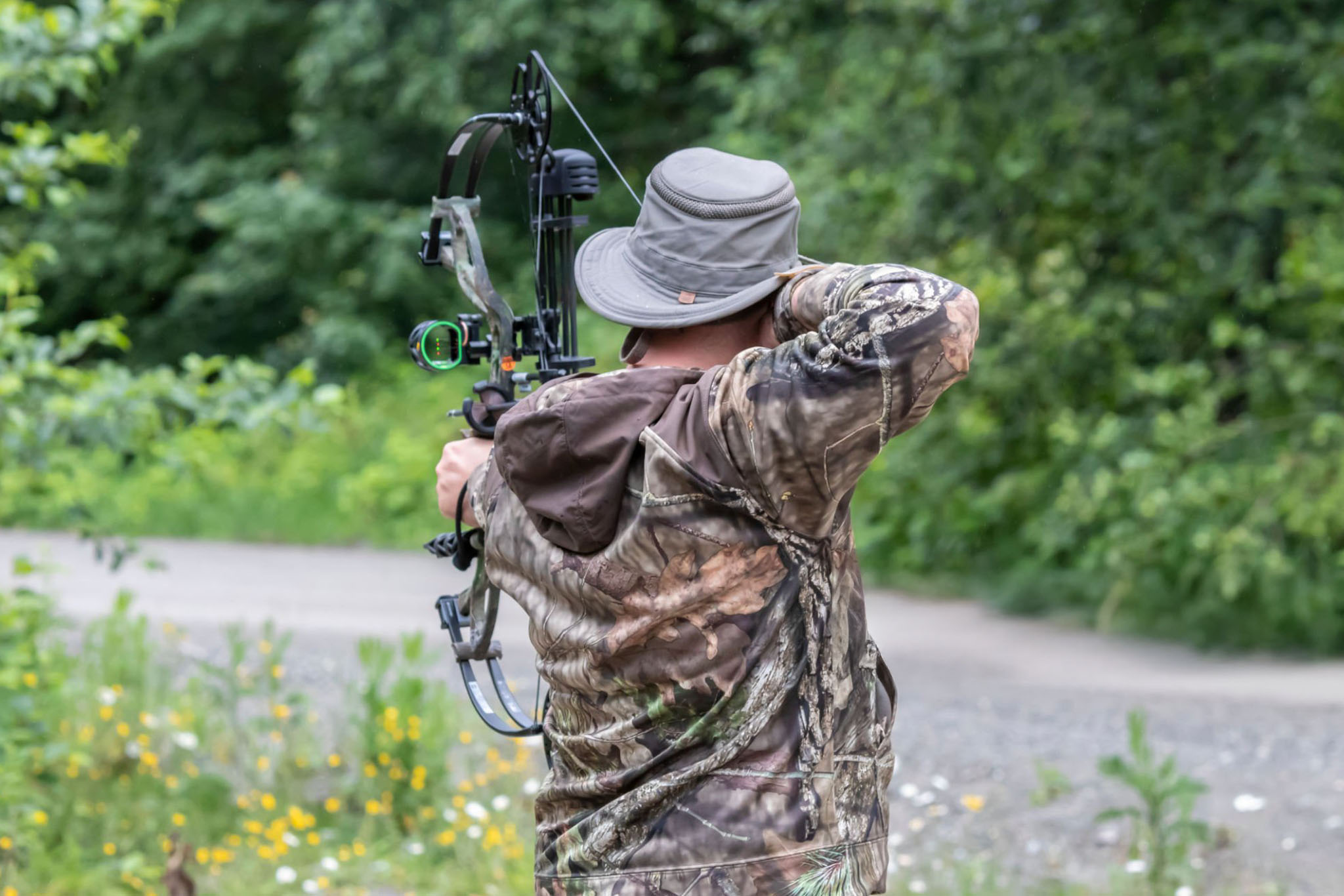
When fall hunting season arrives, archery enthusiasts face one of the most common gear dilemmas: should you carry a crossbow or a compound bow into the woods? Both tools are capable of delivering lethal accuracy, but their differences in design, mechanics, and hunting application can heavily influence your experience and success.
In this article, we’ll break down the pros and cons of crossbows and compound bows, helping you determine which is the better fit for your fall hunts.
Understanding the Crossbow Advantage
Crossbows have surged in popularity in recent years, partly because they combine the power of archery with the convenience of firearms.
Key Benefits of Crossbows
- Ease of Use: Once cocked, a crossbow holds the draw weight for you. This makes it an excellent option for hunters who struggle with shoulder or arm fatigue.
- Accuracy at Rest: Many hunters shoot crossbows from a rest or bipod, which adds stability and confidence—especially for beginners.
- Extended Range: With modern designs, crossbows can reach effective ranges of 50–60 yards or more, giving hunters a bit more cushion in open terrain.
- Faster Learning Curve: Because crossbows mimic the aiming style of rifles with a scope, they’re easier to master for new archery hunters.
Potential Drawbacks of Crossbows
- Weight and Bulk: Crossbows are typically heavier and more cumbersome, which can be a challenge in long treks or dense woods.
- Reload Speed: Cocking a crossbow after a shot takes time—often ruling out quick follow-up opportunities.
- Noise Factor: Even with dampeners, crossbows tend to be louder than compound bows, potentially spooking nearby game.
The Case for the Compound Bow
For many hunters, the compound bow remains the classic choice for fall hunting, offering tradition, skill, and stealth.
Key Benefits of Compound Bows
- Lightweight and Mobile: Compounds are easier to carry into treestands, blinds, and deep backcountry areas.
- Quieter Shots: Compared to crossbows, compound bows are much quieter, a big advantage when hunting skittish whitetails.
- Follow-Up Opportunities: Faster nocking and drawing make it easier to get off a second shot if necessary.
- Archery Challenge: Many hunters enjoy the skill and discipline required to draw, anchor, and release smoothly.
Potential Drawbacks of Compound Bows
- Learning Curve: Achieving consistent accuracy requires significant practice and good form.
- Draw Strength: Hunters must physically hold the draw, which can be difficult when deer approach slowly or stop unexpectedly.
- Effective Range: Compounds are generally limited to 30–40 yards for ethical shots, demanding closer encounters.
Situational Factors to Consider
When choosing between a crossbow and a compound bow, think about your hunting style and environment:
- Public Land with Pressure: A quieter compound bow might be the better option.
- Wide-Open Fields: A crossbow’s extended range can give you an advantage.
- Treestand Hunts: Either option works, but compounds are easier to maneuver in tight setups.
- Physical Limitations: Hunters with injuries or limited strength often find crossbows far more manageable.
Legal Considerations
Always check your state’s hunting regulations before deciding. Some states restrict crossbow use to certain seasons, hunters over a specific age, or those with physical limitations. Others allow full crossbow use throughout archery season.
Which Is Right for You?
Ultimately, the choice between a crossbow and a compound bow comes down to preference, hunting environment, and physical ability.
- Choose a Crossbow if you want rifle-like precision, have limited draw strength, or often hunt open areas.
- Choose a Compound Bow if you value tradition, stealth, mobility, and the challenge of close encounters.
Final Thoughts
Both crossbows and compound bows are highly effective tools for fall hunting. The key is not which weapon is “better” overall, but which one suits your personal hunting style, skill level, and physical comfort. Whether you’re stalking whitetails in hardwoods or waiting over a food plot, the right setup will give you confidence—and increase your chances of a successful season.
