
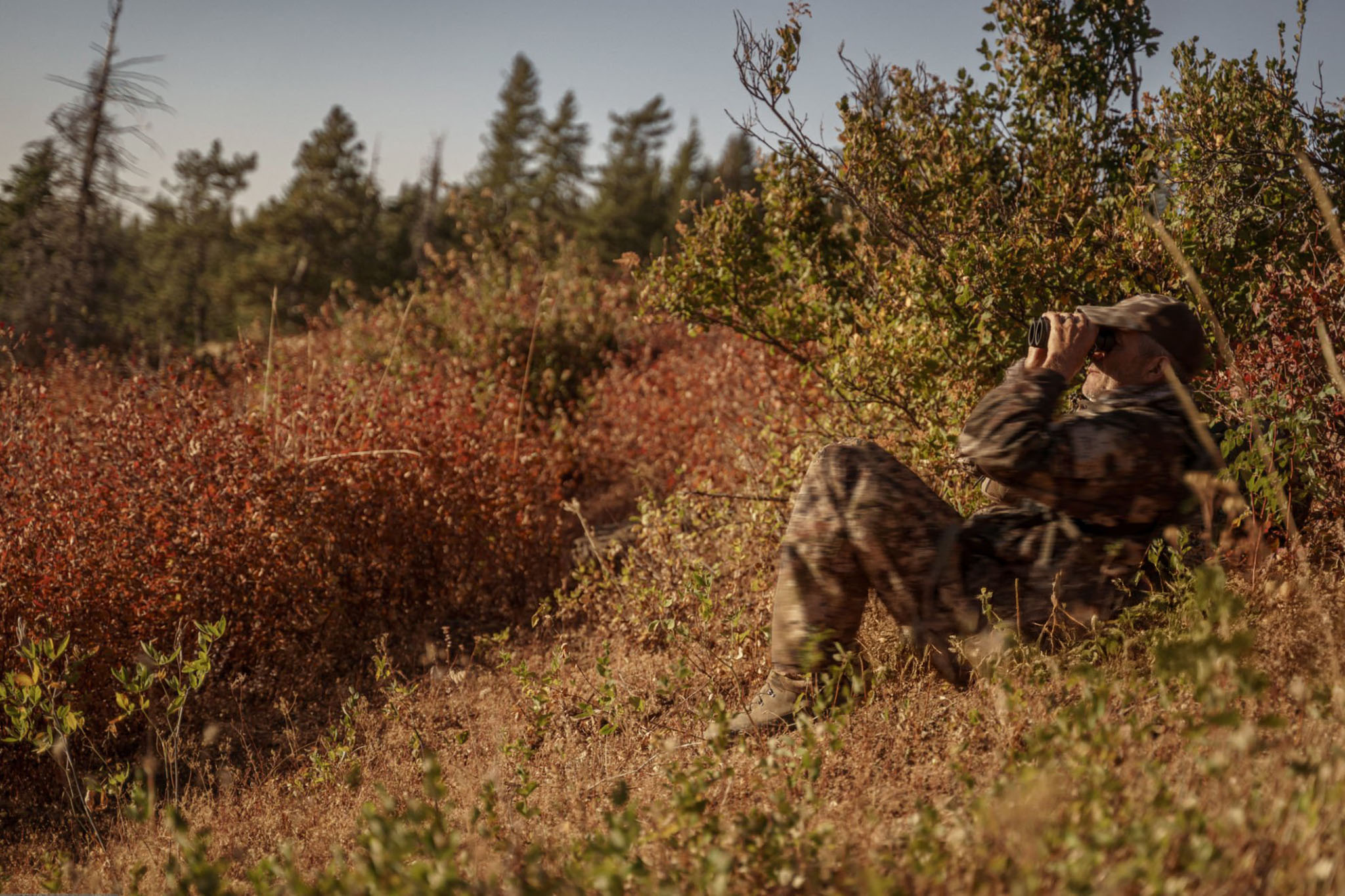
Every fall, as hunters head into the woods in pursuit of deer, turkey, or waterfowl, one thing matters just as much as the hunt itself: ethics. Hunting is more than a sport or a tradition—it’s a responsibility. Respect for private property, wildlife, and the broader hunting community defines who we are in the field. With more hunters than ever taking advantage of autumn’s prime opportunities, understanding and practicing hunting ethics ensures that these traditions remain sustainable and respected for generations to come.
Why Ethics Matter in Fall Hunting
Hunting during the fall season is steeped in tradition. Yet, the freedom to enjoy the outdoors depends heavily on the trust of landowners and the health of wildlife populations. Ethical hunters recognize that every action—whether asking permission to hunt private land or taking only a clean shot—shapes the way non-hunters, neighbors, and future generations view our lifestyle.
Respecting Landowners: Building Trust and Access
Private land access is often the key to successful fall hunting. Without the cooperation of landowners, many hunters would have far fewer opportunities.
- Always Ask Permission: Never assume you can hunt just because land isn’t posted. Seek verbal or written permission and be clear about your intentions.
- Leave No Trace: Don’t damage fences, crops, or property. Carry out all trash and avoid unnecessary vehicle use.
- Show Gratitude: A simple thank-you note, sharing processed game, or offering help with farm chores goes a long way toward maintaining long-term access.
Hunters who respect landowners’ rights build relationships that often lead to more opportunities, not fewer.
Respecting Wildlife: Hunting with Integrity
Ethics extend beyond property lines—they apply directly to the animals we pursue. Fall hunting often overlaps with breeding seasons or migration periods, making ethical decision-making even more critical.
- Take Ethical Shots: Avoid risky shots that may wound rather than kill. Practice regularly so you’re confident in your abilities.
- Know Your Limits: Whether with archery equipment or firearms, only take shots within your effective range.
- Use the Whole Animal: Respect for wildlife means avoiding waste. Properly field-dress, process, and store meat to honor the animal’s life.
Wildlife deserves more than just pursuit; it deserves respect in life and after harvest.
Following Laws and Seasons
Game laws and hunting seasons are designed to protect wildlife populations for the future. Ethical hunters don’t view these regulations as restrictions but as responsibilities.
- Tagging game immediately and accurately.
- Respecting bag limits and antler restrictions.
- Avoiding trespass by knowing exactly where public and private boundaries lie.
When hunters follow the law, they demonstrate integrity and help ensure healthy wildlife populations for years to come.
Being a Good Neighbor in the Outdoors
Ethics also extend to how hunters interact with other outdoor users. In the fall, hunters often share space with hikers, birdwatchers, and campers.
- Be Visible and Safe: Wear blaze orange and ensure your actions never endanger others.
- Respect Quiet Spaces: Avoid conflicts by recognizing that others use the land differently.
- Represent Hunting Well: Non-hunters often judge the hunting community by one encounter. A courteous word or wave can leave a lasting impression.
Passing Ethics to the Next Generation
The fall woods are also classrooms. Teaching young hunters that ethics matter as much as skill is part of passing down the hunting tradition. Encourage them to:
- Always seek permission.
- Always make clean, ethical shots.
- Always respect the animal, the land, and other people.
These values ensure the future of hunting is strong and respected.
Final Thoughts
Fall hunting is about much more than filling a tag or stocking the freezer. It’s about honoring the land we step onto, respecting the wildlife we pursue, and upholding the traditions that make hunting meaningful. Ethical hunters are the stewards of both the sport and the natural world, ensuring that future generations will continue to enjoy autumn mornings in the woods with the same sense of respect and responsibility.
