
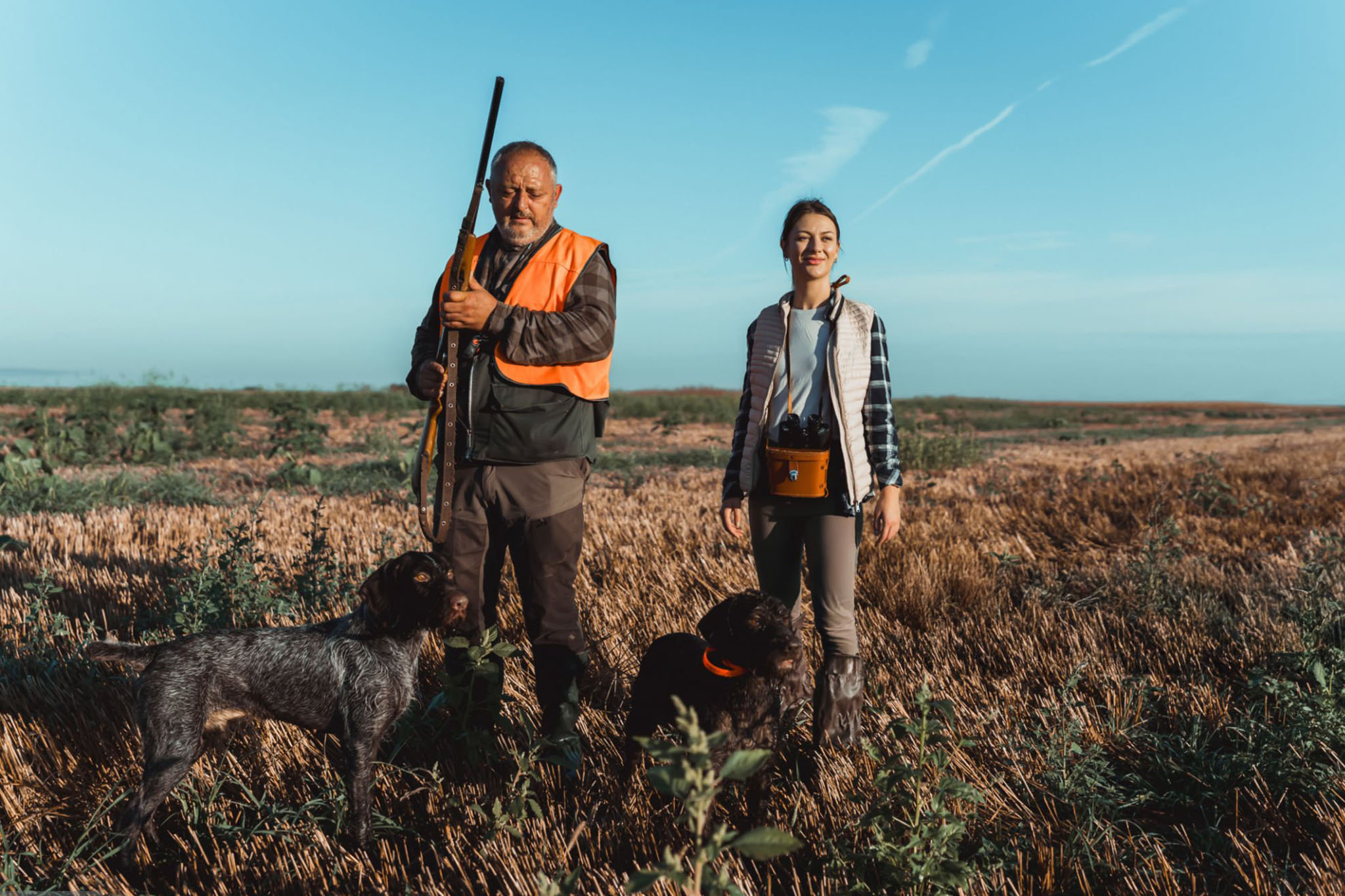
Autumn has always been more than just a season of changing leaves and cooler weather—it’s a season of tradition. For many hunting families across the United States, fall marks the beginning of time-honored rituals that blend the thrill of the hunt with the importance of passing knowledge from one generation to the next. Whether it’s teaching a child how to safely handle a rifle, guiding a teenager through their first deer track, or sharing campfire stories that carry lessons from decades past, autumn becomes the perfect backdrop for family traditions that keep the spirit of hunting alive.
Why Autumn Is the Season of Tradition
The crisp mornings and shorter days signal a shift in wildlife behavior, making fall prime time for whitetail deer, turkey, and small game hunting. For families, it’s also when school schedules and harvest time slow down enough to allow weekend trips to the woods or family hunts on the farm. These outings aren’t just about harvesting game—they’re about bonding, storytelling, and instilling values of patience, respect for nature, and responsibility.
Teaching the Basics: Safety First
One of the most important traditions passed down in hunting families is firearm and bow safety. Older generations often remember their own first lessons—learning how to handle a weapon responsibly, understanding muzzle control, and developing respect for both the tools of the hunt and the game itself.
- Hunter’s Safety Courses: Many families enroll their kids in certified hunter safety programs before their first season.
- Hands-On Mentorship: Parents and grandparents often reinforce those lessons with supervised practice, showing new hunters how safety is an everyday habit.
Skills That Last a Lifetime
Passing down hunting skills isn’t just about pulling the trigger. Autumn hunts allow younger family members to learn the deeper aspects of being an outdoorsman or outdoorswoman:
- Scouting and Tracking: Reading deer sign, understanding feeding patterns, and recognizing tracks.
- Fieldcraft: Learning how to stay quiet, blend into surroundings, and move with the wind.
- Game Care: Respectfully field-dressing and preparing wild game for the table.
Each of these skills is best learned in the field, side by side with a trusted mentor.
Building Memories Around the Campfire
Every hunt, successful or not, becomes part of family lore. Evenings often end around a fire, where stories of past hunts are retold, laughter echoes through the woods, and younger hunters soak in not only technical knowledge but also the culture of hunting. These shared moments form the fabric of family traditions, giving hunting a meaning far beyond filling the freezer.
Balancing Tradition and Modern Tools
While technology has changed hunting—trail cameras, GPS mapping apps, and high-tech gear—many families use autumn hunts to show the balance between tradition and innovation. Elders may share how they scouted without electronics, while younger hunters bring in tools that can make scouting and safety more efficient. This mix of old and new keeps traditions relevant while honoring the past.
The Values Behind the Hunt
At its core, passing down hunting skills is about values. Respect for the animal, ethical harvesting, conservation, and gratitude for the land are lessons that resonate far beyond the woods. Children who grow up hunting in autumn often carry those values into adulthood, becoming stewards of wildlife and role models for future generations.
Final Thoughts
Autumn hunting traditions are about much more than the pursuit of game. They are about teaching responsibility, sharing wisdom, and weaving family ties into the fabric of the outdoors. As the leaves fall and the woods grow quiet, families who step into the field together know they are preserving more than a pastime—they are safeguarding a way of life that will continue for generations.
