
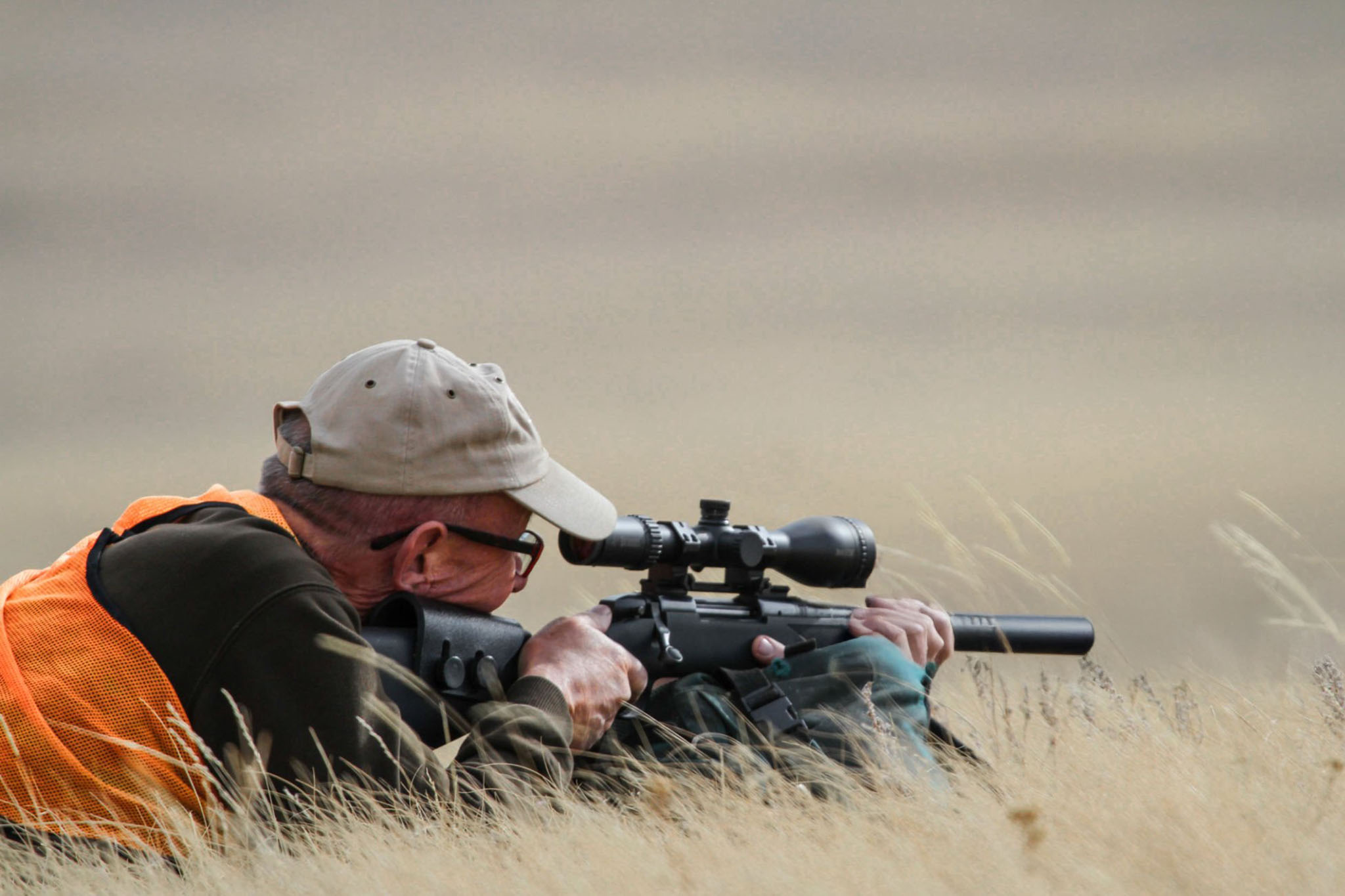
Hunting with a partner can make the woods feel safer and more efficient, but some of the most rewarding experiences come when you head out alone. Solo hunting challenges your woodsmanship, mental grit, and ability to stay stealthy without backup. Whether you’re chasing whitetails in early fall, glassing elk in the high country, or slipping along a river bottom for turkeys, hunting solo requires a different set of tactics. If done right, it can also lead to some of the most memorable hunts of your life.
In this guide, we’ll break down the key solo hunting skills that help you get close to game without a partner’s help.
1. Mental Preparation: Confidence in Solitude
Before gear, strategies, or calling techniques, solo hunting starts with mindset. Hunting alone means you’re your own caller, tracker, spotter, and pack mule. Confidence comes from preparation:
- Scout ahead of time so you know the terrain and key travel corridors.
- Trust your instincts—no second voice means making decisions quickly.
- Stay patient—solo hunts often take longer because every move rests on you.
A calm, focused mindset is your best tool when navigating the challenges of a solo stalk.
2. Stealth Movement: Becoming Part of the Woods
When hunting with a buddy, the extra noise of two sets of boots and whispering can tip off animals. Alone, you can move quieter and more deliberately. Focus on:
- Slow pace: Step carefully, placing your feet on solid ground, avoiding twigs and dry leaves.
- Using cover: Tree trunks, brush, and terrain breaks help you disappear.
- Wind awareness: Solo hunters must treat wind as an ally—always keep it in your face or quartering.
Moving like a predator—slow, cautious, deliberate—lets you slip into an animal’s world undetected.
3. Reading Sign and Adjusting Quickly
Without a partner to second-guess your observations, your ability to read fresh sign becomes critical. Learn to spot and interpret:
- Tracks and trails that reveal where deer or elk are traveling.
- Fresh scat or droppings that indicate recent activity.
- Rubs and scrapes that hint at a buck’s current patterns.
React immediately to what the woods tell you. Solo hunters succeed by adjusting quickly, without debate or delay.
4. Calling and Decoys Alone
Hunting without a partner means you can’t have someone calling from behind to pull an animal past your setup. To adapt:
- Set decoys strategically—use terrain to force an approaching animal into your shooting lane.
- Call sparingly—too much noise without a second hunter can make game suspicious.
- Use natural sound cover—wind gusts or bird chatter help mask your calls.
Solo calling requires restraint and patience; your positioning does the work your partner might otherwise handle.
5. Self-Reliant Gear Setup
When alone, your gear matters more than ever because no one else can carry extra items or lend a hand. Essentials include:
- Lightweight pack with water, snacks, and first aid.
- GPS or mapping app to avoid getting lost.
- Mobile tree stand or saddle for quick, quiet setup.
- Sharp knife and game bags if you need to quarter and haul meat alone.
Solo hunters thrive by carrying only what they need while preparing for worst-case scenarios.
6. Safety First: Hunting Alone Smartly
The thrill of a solo hunt shouldn’t blind you to real risks. Follow basic solo hunting safety practices:
- Tell someone your plan—where you’ll be and when you’ll return.
- Carry a reliable communication device (cell phone, satellite messenger, or radio).
- Know your limits—packing out a large animal alone is exhausting; plan accordingly.
- Always wear safety gear in treestands and when navigating steep terrain.
Survival and safety are as much a part of solo hunting success as filling a tag.
7. The Rewards of Hunting Alone
While it can be tougher and riskier, hunting solo has its unique rewards:
- Deeper connection to nature—quiet moments with no human distraction.
- Greater personal achievement—every success is entirely your own.
- Flexible decision-making—move, wait, or stalk without compromise.
Solo hunting sharpens every skill and builds confidence that carries over into any hunting scenario.
Final Thoughts
Hunting alone isn’t for everyone, but for those willing to embrace the challenge, it delivers unmatched satisfaction. By focusing on stealth, preparation, safety, and adaptability, you can close the distance on game without relying on a partner.
The woods feel different when you’re on your own—quieter, more alive, and more demanding. But with the right skills, solo hunting can transform you from a participant into a true predator, ready to get close when it matters most.
