
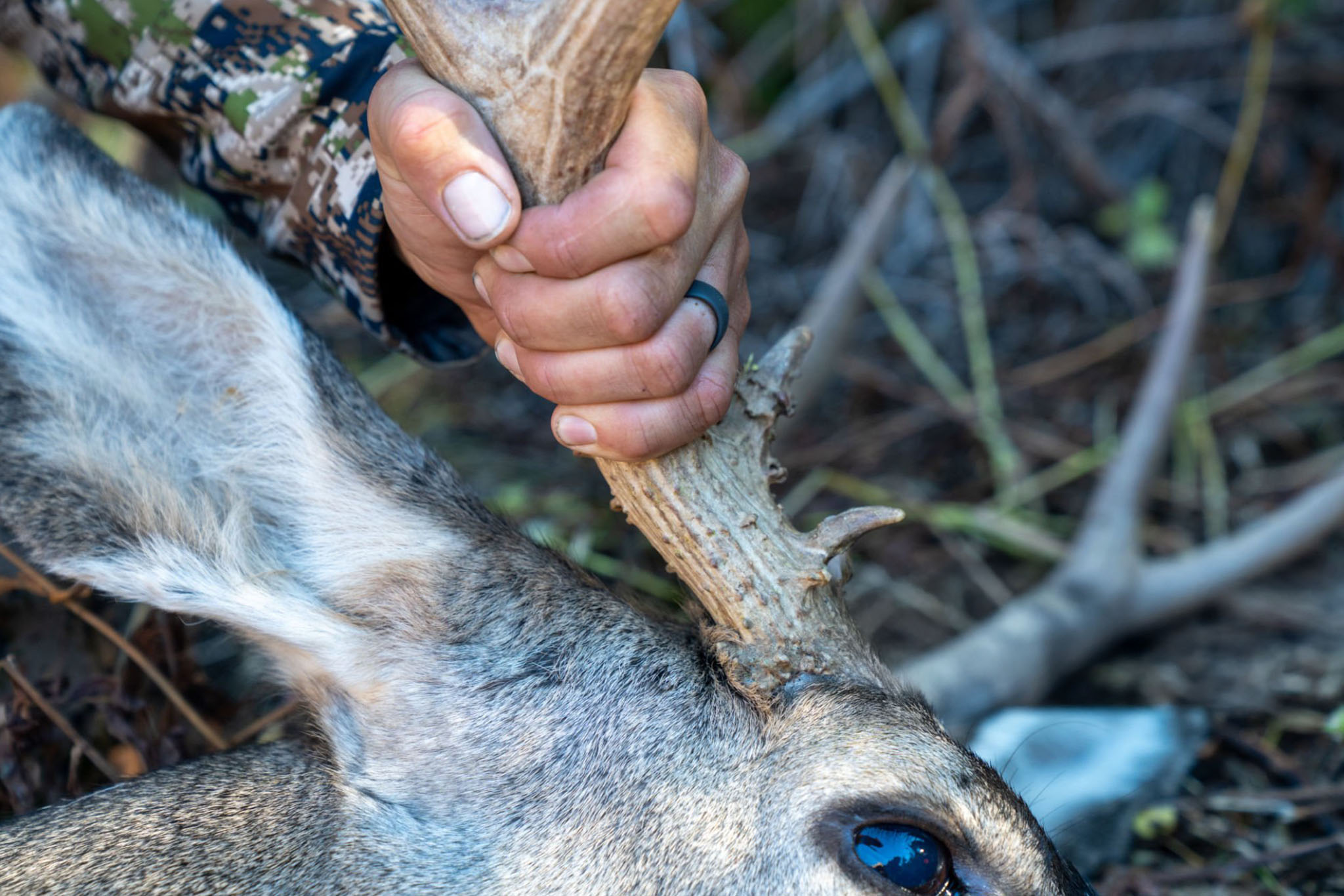
Early fall is one of the most exciting—and challenging—times to hunt whitetail deer. Bucks are still transitioning from summer feeding patterns, food sources are shifting, and the first cool fronts are sparking increased daylight activity. While tactics are critical, having the right early-season gear can make the difference between going home empty-handed and filling your tag.
Whether you’re chasing whitetails on public land or private ground, preparation starts with your gear. Here’s a breakdown of the essential equipment every hunter should carry to maximize early fall success.
1. Lightweight, Breathable Clothing
Temperatures in early fall can swing dramatically—mornings may feel crisp, but afternoons often climb into the 70s or 80s. That makes proper layering crucial.
- Moisture-wicking base layers: Keep sweat off your skin during long hikes or warm sits.
- Light camouflage outerwear: Opt for breathable fabrics that match early fall foliage.
- Packable rain gear: September showers can roll in fast, and staying dry means staying in the hunt longer.
Hunting tip: Choose camo patterns that blend with green vegetation and early-turning leaves rather than late-season browns and grays.
2. Scent Control Essentials
In early fall, bucks aren’t yet distracted by the rut, so they rely heavily on their noses. A strong scent game is non-negotiable.
- Scent-free detergent & body wash: Start clean before heading into the field.
- Ozone generators or carbon-lined totes: Store clothing scent-free between hunts.
- Cover sprays and wind checker powder: Always test the wind before committing to a stand.
Pro tip: No gear can completely mask human scent, but minimizing your odor and playing the wind dramatically increases your odds.
3. Early Season Stands and Saddles
Whitetail patterns in September often center around food sources. To intercept them, you need the right platform.
- Hang-on treestands: Lightweight options are perfect for mobile setups near food plots or oak ridges.
- Climbing stands: Great for public land where mobility is key.
- Saddles: Gaining popularity for their versatility and minimal profile, especially in pressured areas.
Hunting tip: Set stands where bedding cover connects to evening food sources. Bucks are most killable in these transition zones.
4. Effective Optics
Early fall hunting often means long sits at food plots or field edges. Optics give you the edge to spot movement before deer close in.
- Binoculars (8x or 10x): Perfect for scanning field edges and distant ridgelines.
- Rangefinder: Critical for bowhunters to ensure precise shot placement when bucks step out unexpectedly.
- Lens wipes: Warm, humid conditions can fog lenses—be ready to clear them quickly.
5. Archery Gear Dialed In
For bowhunters, September often marks the season opener. Having your setup tuned is non-negotiable.
- Broadheads: Test fixed-blade or mechanical heads to confirm accuracy.
- Extra arrows: Always carry more than you think you’ll need.
- Quiet release aid: Ensure it’s smooth and silent for close encounters.
Pro tip: Practice shooting from elevated stands and awkward angles. Real-world whitetail shots rarely happen on level ground.
6. Game Cameras for Scouting
Early-season scouting pays off big, and trail cameras are your best tool for patterning bucks before pressure sets in.
- Cellular trail cameras: Send photos directly to your phone without disturbing the area.
- Standard cameras: More budget-friendly, but require careful access to avoid spooking deer.
- Fresh batteries & SD cards: Always carry spares during the season.
Hunting tip: Place cameras on food source edges, mineral sites (if legal), or along travel corridors between bedding and feeding.
7. Lightweight Daypack
You don’t need a giant pack in early fall, but you do need one big enough to carry the essentials.
Pack should include:
- Water bottle or hydration bladder
- Small first aid kit
- Knife and game bags
- Headlamp with extra batteries
- Snacks for long sits
8. Early Fall Calls and Scents (Use Sparingly)
While the rut hasn’t kicked in, light calling and minimal scent use can still pay off.
- Soft grunts: Effective for piquing curiosity without spooking bachelor groups.
- Doe bleats: Can draw does, which sometimes bring bucks into bow range.
- Mock scrapes with licking branches: Early fall bucks may investigate without feeling pressured.
Caution: Overcalling or overscenting too early can make deer wary before peak hunting season.
9. Boots Built for All Conditions
Morning dew, creek crossings, and unexpected rain showers can soak unprepared hunters.
- Waterproof hunting boots: Keep feet dry during wet ground conditions.
- Rubber boots: Great for minimizing scent on entry and exit routes.
- Breathable socks: Wick away moisture to avoid blisters.
10. Meat Care and Recovery Gear
Even in September, warm weather can spoil venison quickly if you’re unprepared.
- Field dressing kit: Sharp knife, gloves, and game bags.
- Cooler with ice: Keep one in your truck ready for quick transport.
- Game cart or sled: Essential for hauling deer out of remote spots.
Final Thoughts
Early fall hunting is about preparation, stealth, and timing. The deer are still predictable, food sources are reliable, and mature bucks haven’t yet gone nocturnal. With the right essential gear—from lightweight clothing and scent control to tuned archery setups and trail cameras—you’ll be ready to capitalize on those first daylight opportunities.
Gear doesn’t guarantee success, but the right equipment removes obstacles, keeps you comfortable, and lets you focus on the hunt itself. If you want consistent early-season whitetail success, build your gear system now and hit the woods prepared.
