
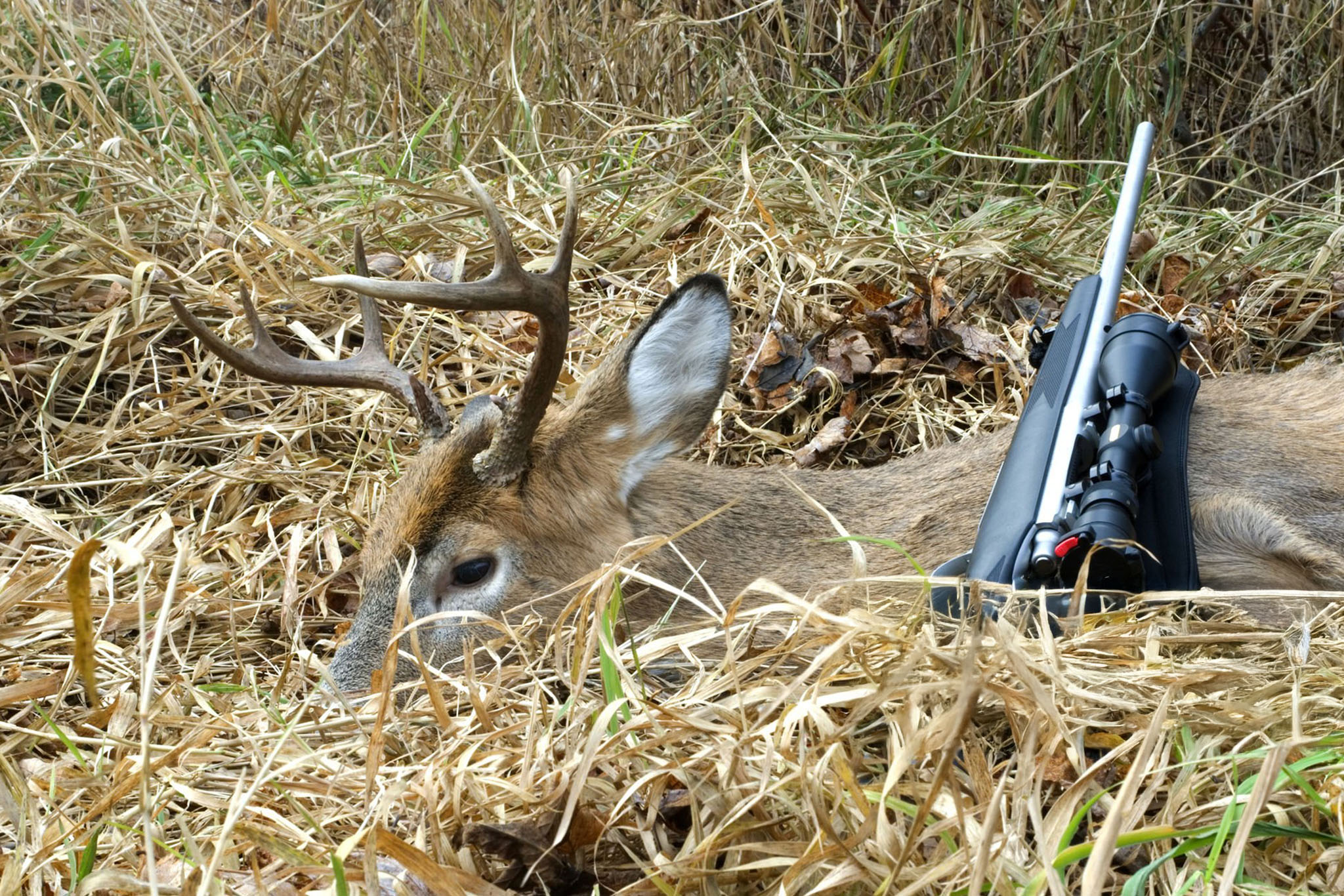
Early fall is one of the most exciting times to be in the deer woods. Bucks are shifting from summer patterns, food sources are changing rapidly, and hunters who understand where deer are feeding have a major edge. If you can locate the key foods that whitetails crave this time of year, you’ll find yourself in the perfect position to intercept a mature buck before the rut heats up.
In early fall, deer behavior revolves around nutrition and predictability. Bucks are recovering from the energy drain of summer velvet growth, and they’re putting on fat reserves for the months ahead. That means food is king—and knowing which sources they can’t resist is the foundation of an effective hunting strategy.
Acorns: The Ultimate Whitetail Magnet
If you ask seasoned hunters about early fall food, one answer comes up time and again: acorns. Oaks are like candy to whitetails, and when the mast crop is heavy, deer will abandon fields and food plots in favor of acorn-rich woods.
- White oak acorns drop earlier and are sweeter due to lower tannin levels. Deer prefer them over any other.
- Red oak acorns drop later and are more bitter but still draw heavy feeding once white oak supplies run low.
Hunting tip: Set up along oak ridges or near travel corridors leading into acorn flats. Fresh droppings and tracks are clear signs the deer are feeding heavily.
Agricultural Fields: Soybeans, Corn, and Alfalfa
Early fall often coincides with late summer crop maturity, and bucks flock to agricultural fields for easy nutrition.
- Soybeans: Green soybean fields are irresistible early in the season. Bucks often stage along field edges at dusk.
- Corn: Standing corn provides both food and cover, making it tough but rewarding to hunt. Look for edges near water or timber.
- Alfalfa: High in protein, alfalfa fields are great evening ambush sites for bachelor groups before they split up.
Hunting tip: Hunt field edges in the evenings, staying downwind. Morning hunts can risk bumping deer returning from night feeding.
Soft Mast: Apples, Persimmons, and Wild Plums
Deer have a sweet tooth, and soft mast is one of the biggest early fall attractants. Unlike acorns or grains, these food sources are more scattered, but when you find them, you’ve struck gold.
- Apple trees: Dropping apples draw deer consistently, especially in old homesteads or forgotten orchards.
- Persimmons: Once they ripen, deer will visit daily until every fruit is gone.
- Wild plums or crabapples: These offer both cover and food in brushy edges.
Hunting tip: Scout for fresh fruit drops and hunt the downwind side of the tree. Bucks often approach cautiously before entering open ground.
Food Plots: Clover and Brassicas
Planted food plots are designed to attract deer, and early fall is when they start paying off.
- Clover plots remain attractive into fall, offering protein-rich forage.
- Brassicas (turnips, radishes, kale) gain appeal as the first frosts arrive, but deer may nibble early.
Hunting tip: Position stands near staging areas where deer linger before entering food plots in the open. Mature bucks often hang back until dark, so catching them in transition is key.
Natural Browse and Forbs
In heavily wooded areas without crops, natural browse is a consistent food source. Early fall whitetails feed on green leaves, vines, and forbs along field edges and logging roads.
- Honeysuckle, greenbrier, and ragweed are common deer favorites.
- Fresh growth in clear-cuts or thickets attracts bucks seeking cover and food in one spot.
Hunting tip: Don’t overlook browsing areas, especially if mast crops are low that year. Trail cameras can help confirm activity.
Timing Matters: When to Hunt These Food Sources
- Evenings: Deer are most predictable in the evenings, heading from bedding to feeding. Early fall evening sits are often the best chance at a daylight encounter.
- Early Season Cool Fronts: A sudden drop in temperature gets bucks on their feet earlier. Hunt food sources after a weather shift.
- Moon Phase Influence: While debated, many hunters believe overhead or underfoot moon phases increase daylight movement near food.
Mistakes Hunters Make With Early Fall Food Sources
- Overhunting Field Edges: Mature bucks quickly learn to avoid high-pressure areas.
- Ignoring Bedding Proximity: If food is too far from thick cover, bucks may only arrive after dark.
- Skipping Scouting: Conditions change fast—yesterday’s hot soybean field might be empty once acorns drop.
Final Thoughts
Early fall whitetail hunts are all about food. Bucks haven’t yet shifted to rut-driven patterns, so the hunter who identifies the right food source will consistently be in the game. Whether it’s a hidden apple tree, a ridge of white oaks, or a soybean field at sunset, the deer are telling you where they’ll be—you just need to listen.
By focusing on these key food sources bucks can’t resist, you’ll increase your odds of seeing that big whitetail before hunting pressure and the chaos of the rut change everything.
