
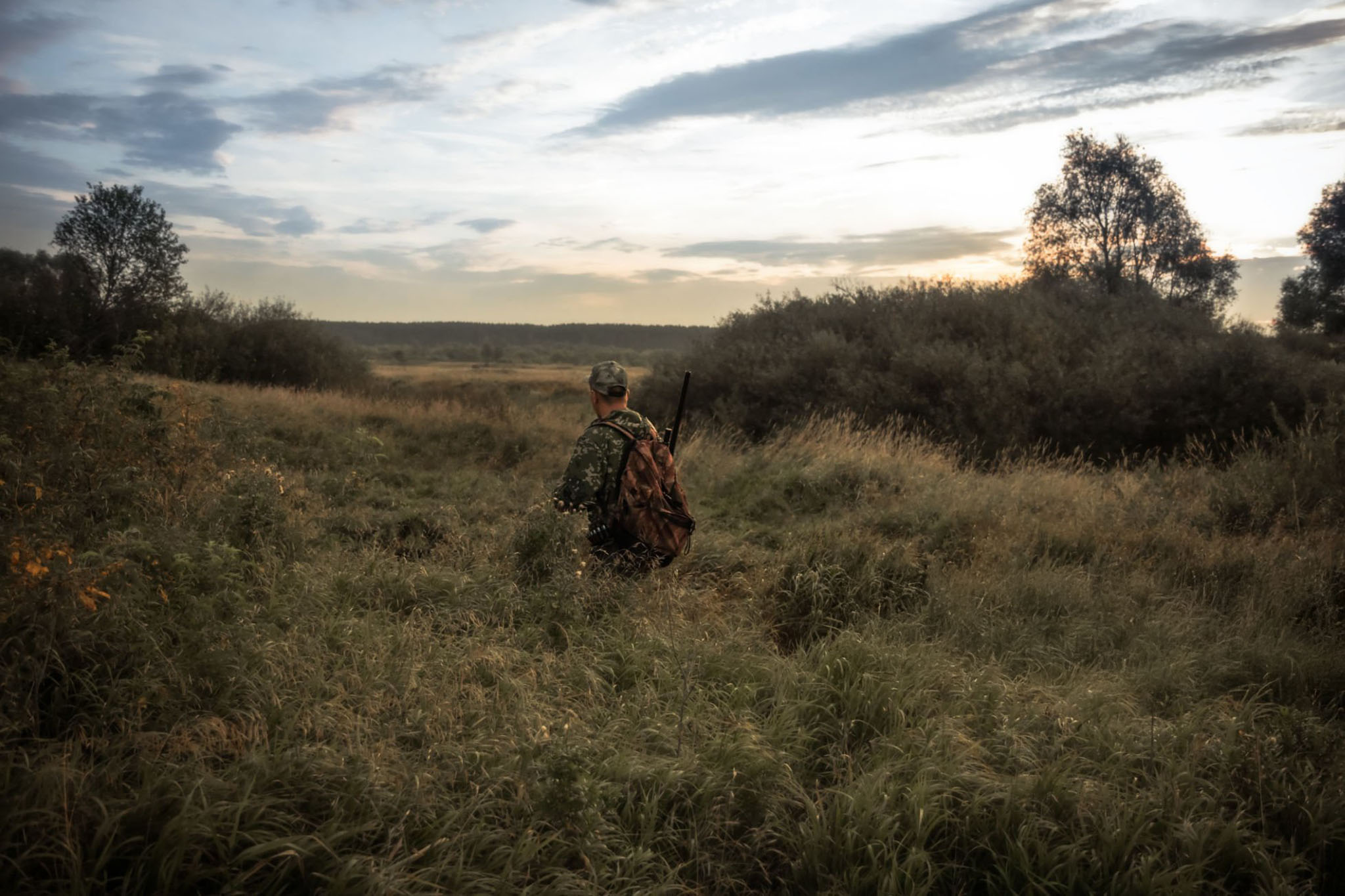
One of the most overlooked aspects of deer hunting is not your stand placement, your calling technique, or even the quality of your gear—it’s how you approach your hunting stand. Many hunters invest weeks scouting bedding areas and food sources, only to ruin a hunt by making too much noise or leaving behind a trail of human scent. Deer, especially mature bucks, are quick to pick up on disturbances, and the smallest mistake can send them into the next county.
In this guide, we’ll break down practical strategies for approaching your stands silently and undetected, giving you a real edge in the woods this fall.
Why Entry and Exit Matter So Much
Deer hunting success hinges on more than just where you set up—it’s how you get there. Whitetails live and survive by their nose, ears, and eyes. If you:
- Crunch through leaves,
- Break twigs underfoot,
- Or leave scent trails that drift into bedding areas,
you’ve essentially warned the deer before you even settle into your stand. A well-planned, quiet entry route often determines whether you’ll see deer at all during your sit.
Choose the Right Route
The straightest path to your stand isn’t always the best. Instead, think about how deer naturally move through the landscape.
- Wind direction: Always approach with the wind in your face or crosswind. This keeps your scent from blowing into bedding or feeding zones.
- Avoid spooking deer in feeding areas: If deer are already in a food plot or crop field, taking the edge of the field could send them running. Use timbered draws, ditches, or fence lines as cover instead.
- Topography is your friend: Low spots, creek beds, and depressions help conceal both sound and movement.
Mapping your route in the offseason can save you a lot of trial and error once hunting season arrives.
Timing Your Approach
When you walk in is just as critical as how you walk in.
- Morning Hunts: Get in at least an hour before shooting light. Entering early gives the woods time to settle down and masks minor noises you might make.
- Evening Hunts: Plan to slip in during mid-afternoon, long before deer step out into open fields. Entering too close to prime feeding time often results in bumping deer before you’re set up.
The key is to arrive early enough that your presence fades into the background of the woods.
Gear for Silent Movement
Your gear can work for you or against you. A few simple upgrades can dramatically reduce your noise and scent profile.
- Footwear: Soft-soled boots or rubber hunting boots muffle steps and reduce ground scent.
- Clothing: Avoid nylon or stiff fabrics that swish with every move. Wool or fleece materials are much quieter in the brush.
- Backpacks and Accessories: Tape down loose buckles, straps, and metal-on-metal contact. Every clink echoes in still woods.
Even something as simple as tying down your bow release or securing a dangling zipper can keep you from being busted on the way in.
Walking Techniques for Silence
Deer recognize unnatural sounds. A steady, rhythmic “crunch-crunch” of boots screams danger. Instead:
- Step lightly and slowly: Place the outside edge of your foot down first, then roll your weight inward.
- Mimic natural patterns: Short, irregular steps sound more like squirrels or other wildlife.
- Pause often: Move a few steps, then stop to listen. It prevents you from sounding like a predator on a mission.
If conditions allow, use rain, wind, or snow to cover your noise. Wet leaves and soft ground are your best allies.
Scent Control During Entry
Even if you move silently, your scent can ruin a hunt. On your walk in:
- Stay downwind of likely deer travel corridors.
- Avoid touching vegetation with bare hands—deer can smell where you brushed against a branch.
- Use scent-eliminating sprays before heading in, especially on boots and lower clothing.
Some hunters even carry a small rake or use a stick to sweep their path, minimizing ground scent in high-traffic areas.
Exiting Without Disturbance
Leaving your stand is just as important as getting there. Busting a field full of deer on your way out educates them quickly.
- Wait until deer move off naturally: Patience is better than pushing deer out of an area.
- Use cover of darkness: Exiting after full dark makes your movement less alarming to deer.
- Plan multiple exit routes: If deer are between you and your truck, have a backup route ready.
A clean exit means deer won’t associate danger with that stand, preserving it for future hunts.
Final Thoughts
Silent access is one of the most underappreciated skills in deer hunting. Hunters who master it consistently see more deer, and often, bigger bucks. It’s not just about luck or location—it’s about discipline, patience, and planning every step of your hunt, from the moment you leave your truck to the second you climb into your stand.
Next time you lace up your boots, remember: how you walk in may matter just as much as where you sit.
