
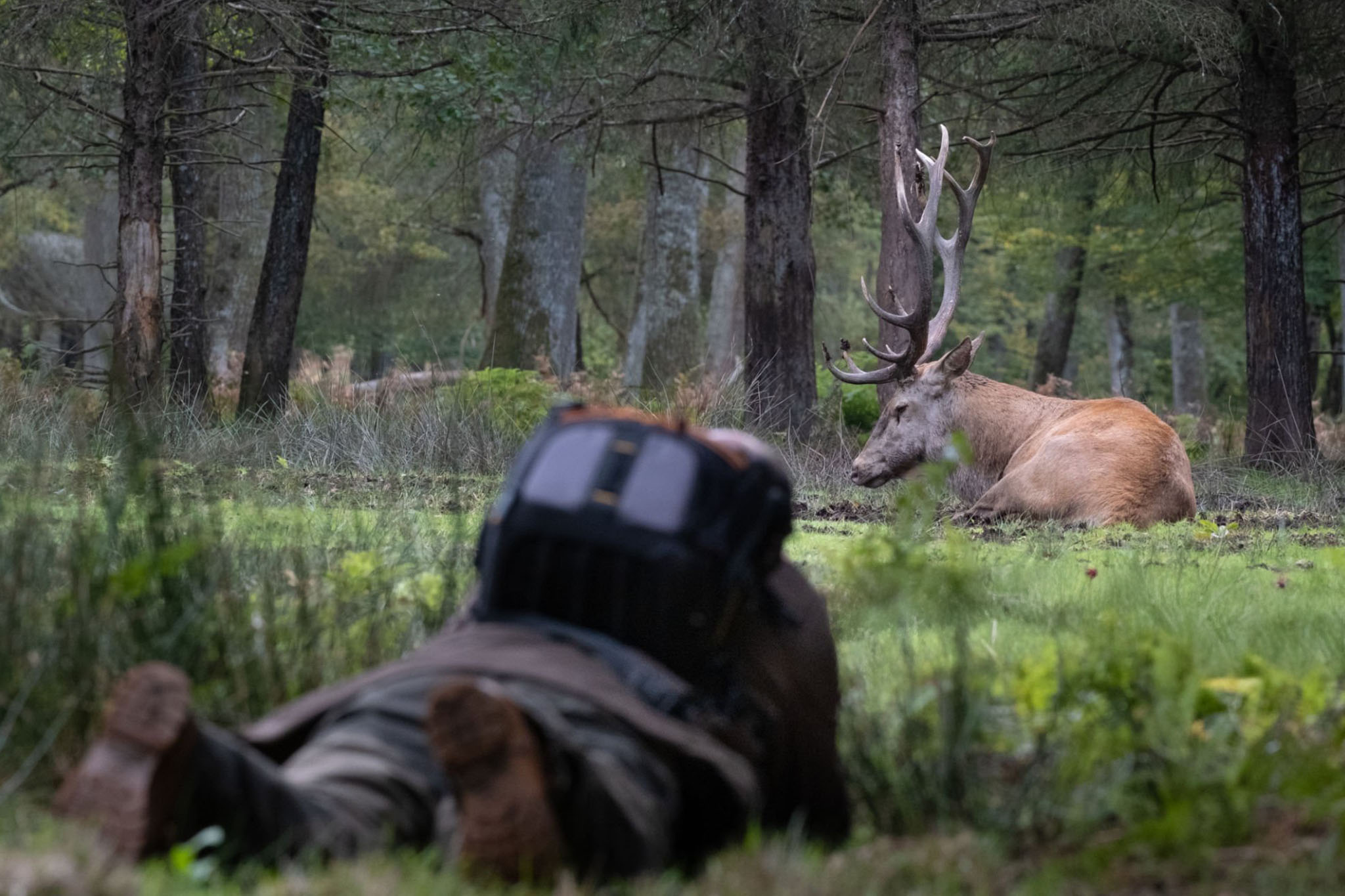
As autumn settles in and the first cool winds move across the landscape, deer behavior begins to change dramatically. The summer patterns that hunters may have relied on—where bucks and does frequent predictable feeding areas—fade away as new food sources emerge. If you want to stay ahead of the game this fall, understanding stand placement strategies is essential for maximizing your chances of success.
The Seasonal Shift: From Summer to Fall
During the summer months, deer heavily rely on high-protein food sources like soybeans, alfalfa, and clover. But as autumn progresses, their diets shift toward carbohydrate-rich foods to prepare for the energy demands of the rut and colder weather. Acorns, mast crops, freshly harvested corn, and even natural browse become top priorities.
For hunters, this transition means deer are no longer where they were in August or early September. Adapting your stand location to reflect these changing food patterns is key.
Key Fall Food Sources to Target
- Acorns (White and Red Oaks): A highly preferred fall food. Deer flock to white oaks early because of their sweeter acorns, while red oaks become more important later in the season.
- Cornfields: After harvest, spilled kernels provide a calorie-dense buffet for deer.
- Soybean Fields: Once leaves yellow and drop, deer shift from feeding on plants to picking leftover beans.
- Apple Trees & Soft Mast: Apples, persimmons, and wild pears can draw deer consistently until they’re gone.
- Natural Browse: In heavily hunted areas, deer may switch to browsing on woody plants and shrubs during daylight hours.
Best Stand Placement Strategies for Autumn Hunts
1. Edges of Acorn Flats
Set up on the downwind side of oak ridges or acorn flats. Deer will travel from bedding cover to feed in these areas, often arriving just before dusk. Positioning yourself between bedding cover and acorn sources can put you right in the action.
2. Hunting Field Edges After Harvest
Agricultural areas see a surge of deer activity after fields are cut. Cornfields especially become prime spots, as deer feed heavily on waste grain. Place your stand on travel routes leading to these fields, ideally along natural funnels or hedgerows.
3. Transition Zones
As food sources change, deer often travel greater distances between bedding and feeding. Setting up along transition corridors—such as narrow strips of timber, creek beds, or brushy ditches—can allow you to intercept them.
4. Inside Corners & Pinch Points
Deer use natural terrain features to minimize exposure. Inside corners of fields, narrow woodlots, or fence gaps often funnel movement, making them high-percentage stand sites in autumn.
5. Soft Mast Ambush Points
If you’ve scouted fruit-bearing trees, hang a stand nearby. These spots often produce short but furious windows of activity when fruit drops.
Timing Is Everything
Deer feed most heavily in the evening during autumn. Morning hunts can still be productive, but they often require entering bedding areas, which risks spooking deer. Evening stand placement near preferred feeding areas offers a higher reward with less intrusion.
The Importance of Wind and Access
No matter how perfect your stand location is, poor scent and access management can ruin a hunt. Always:
- Hunt with the wind in your favor.
- Use quiet, low-impact entry routes.
- Avoid crossing primary feeding or bedding areas on your way in.
Adapting as the Season Progresses
What works in early October might not hold true by late November. Early fall is about food, but once the rut kicks in, bucks prioritize does over acorns. Successful hunters continually adapt their stand placements to follow the shifting priorities of deer.
Final Thoughts
Hunting autumn deer is all about timing and adaptability. As food sources shift, deer movement patterns change—and so should your stand placement. By staying ahead of these transitions and carefully selecting stands based on food availability, wind direction, and travel routes, you’ll be in the best position to harvest a mature buck before the rut frenzy begins.
