
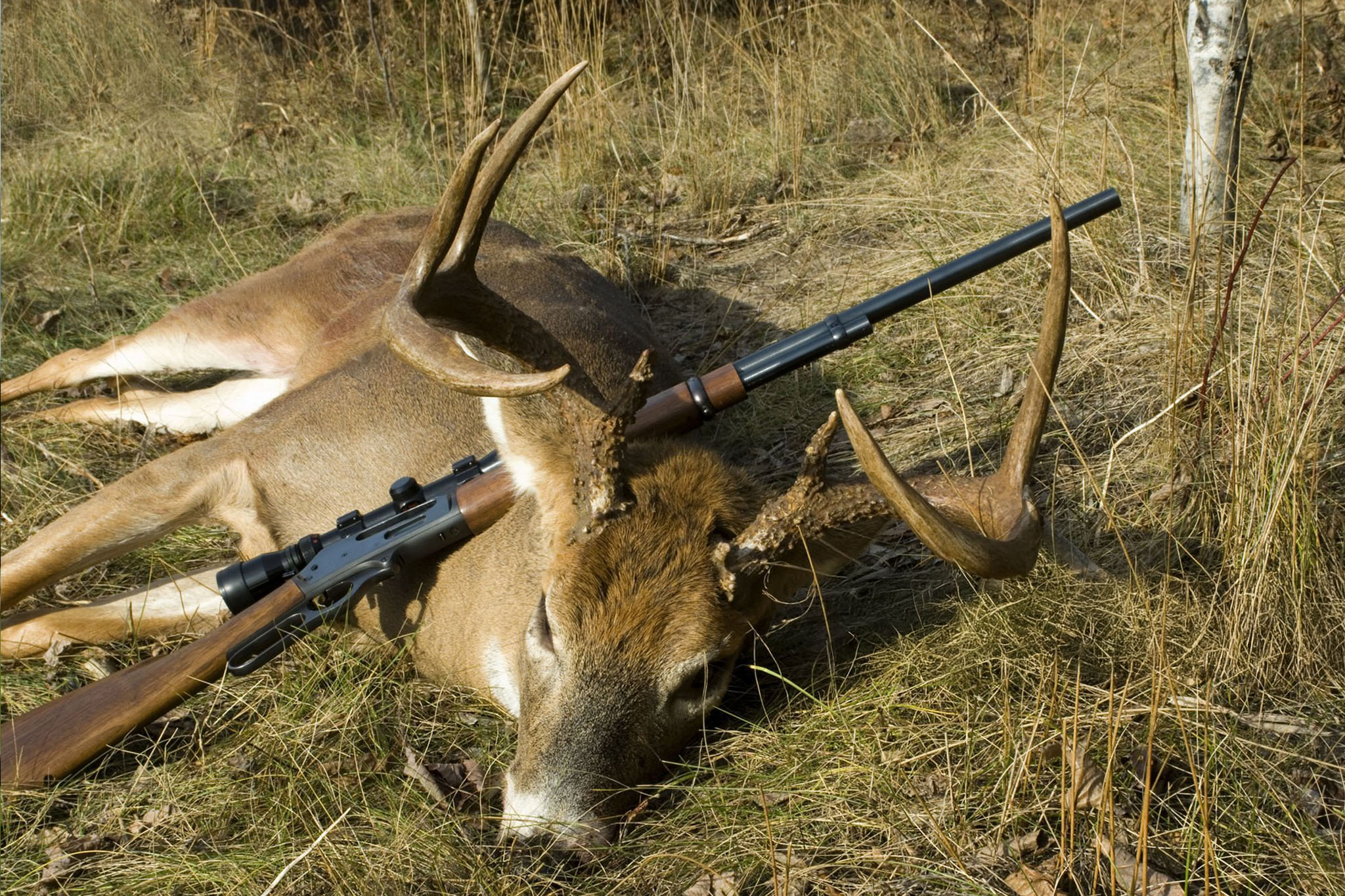
When it comes to deer hunting, timing is everything—and nowhere is that more evident than in calling tactics. Most hunters associate calling with the chaos of the rut, when bucks are cruising, fighting, and responding aggressively to grunts and rattles. But calling in early fall, before the rut explodes, can still be highly effective—if done with finesse and strategy. Mature bucks are cautious this time of year, and heavy-handed tactics can spook more deer than they attract. To succeed, you need a subtle, intentional approach that matches the season.
Why Early Fall Calling Is Different
In September and early October, bucks are in a transitional phase. Their velvet has recently shed, bachelor groups are breaking up, and dominance hierarchies are being established. Unlike the rut, when testosterone peaks, bucks now are more curious than combative. They’ll tolerate light vocalizations but are unlikely to charge into aggressive calls.
Understanding this mindset is the first step to making early-season calling work.
The Power of Subtle Grunts
If there’s one call that consistently works in early fall, it’s the grunt tube.
- Soft contact grunts mimic bucks communicating with one another as they sort out social order.
- Timing matters: Use grunts sparingly—one or two every 15–20 minutes can be enough.
- Location use: Grunting works best near feeding areas or travel corridors where bucks are naturally curious about new deer.
Think of grunts as a way to pique interest, not provoke aggression.
Light Rattling: A Teaser, Not a Brawl
Rattling is often thought of as a late-October and November tactic, but light rattling can also draw in bucks early in the season.
- Tickling antlers: Instead of crashing them together, gently tickle antlers to imitate sparring. Early fall bucks spar often, and this sound is natural and non-threatening.
- Short sequences: Keep it brief, under 30 seconds. Long, aggressive rattles are more likely to spook deer than attract them.
- Use visual reinforcement: If hunting from the ground, scrape leaves lightly with your boot or snap small sticks to sell the scene.
The key is realism—young bucks spar frequently in September, but they don’t fight to exhaustion like in November.
Doe Bleats: Subtle but Effective
While estrus bleats are premature this time of year, soft social bleats from a doe can grab attention.
- Use sparingly: Just like grunts, less is more.
- Best in feeding areas: Doe bleats near food plots or acorn flats feel natural, as deer are already interacting.
- Pair with light grunts: This combo can simulate a buck and doe casually crossing paths, which often sparks curiosity in a nearby buck.
Wind, Setup, and Timing
Calling in early fall isn’t just about sound—it’s about context.
- Wind direction: Bucks almost always circle downwind when investigating calls. Set up so you have a shooting lane on that side.
- Proximity matters: Calls don’t carry as far in thick early-fall foliage. Bucks need to be within 150–200 yards to respond effectively.
- Timing your calls: Mornings and evenings are prime times, when deer are naturally moving between bedding and feeding areas.
Common Mistakes to Avoid
Many hunters fail at early fall calling because they overdo it. Avoid these pitfalls:
- Calling too often: Constant grunting or rattling doesn’t mimic natural deer behavior.
- Being too aggressive: Loud, dominant grunts or heavy rattling can spook cautious bucks.
- Ignoring body language: If a buck hears you but seems uneasy, stop calling and let curiosity work in your favor.
Advanced Tactics: Pairing Calls with Scents and Decoys
While calls alone can be effective, pairing them with other tools increases realism.
- Scents: Early season buck urine can reinforce the presence of a new deer in the area.
- Decoys: A young buck decoy works well when paired with light rattling, especially in open fields.
- Mock scrapes: Fresh scrapes combined with a few grunts create a believable scenario of a newcomer testing boundaries.
Conclusion
Calling in early fall requires patience and restraint. Bucks aren’t in full rutting mode yet, but they are curious and establishing dominance. By using soft grunts, light sparring rattles, and occasional doe bleats, hunters can tap into this transitional behavior without pushing deer away. Success hinges on subtlety, wind discipline, and realistic setups.
When done correctly, calling before the rut explodes can put a curious buck within range—long before the chaos of November begins.
