
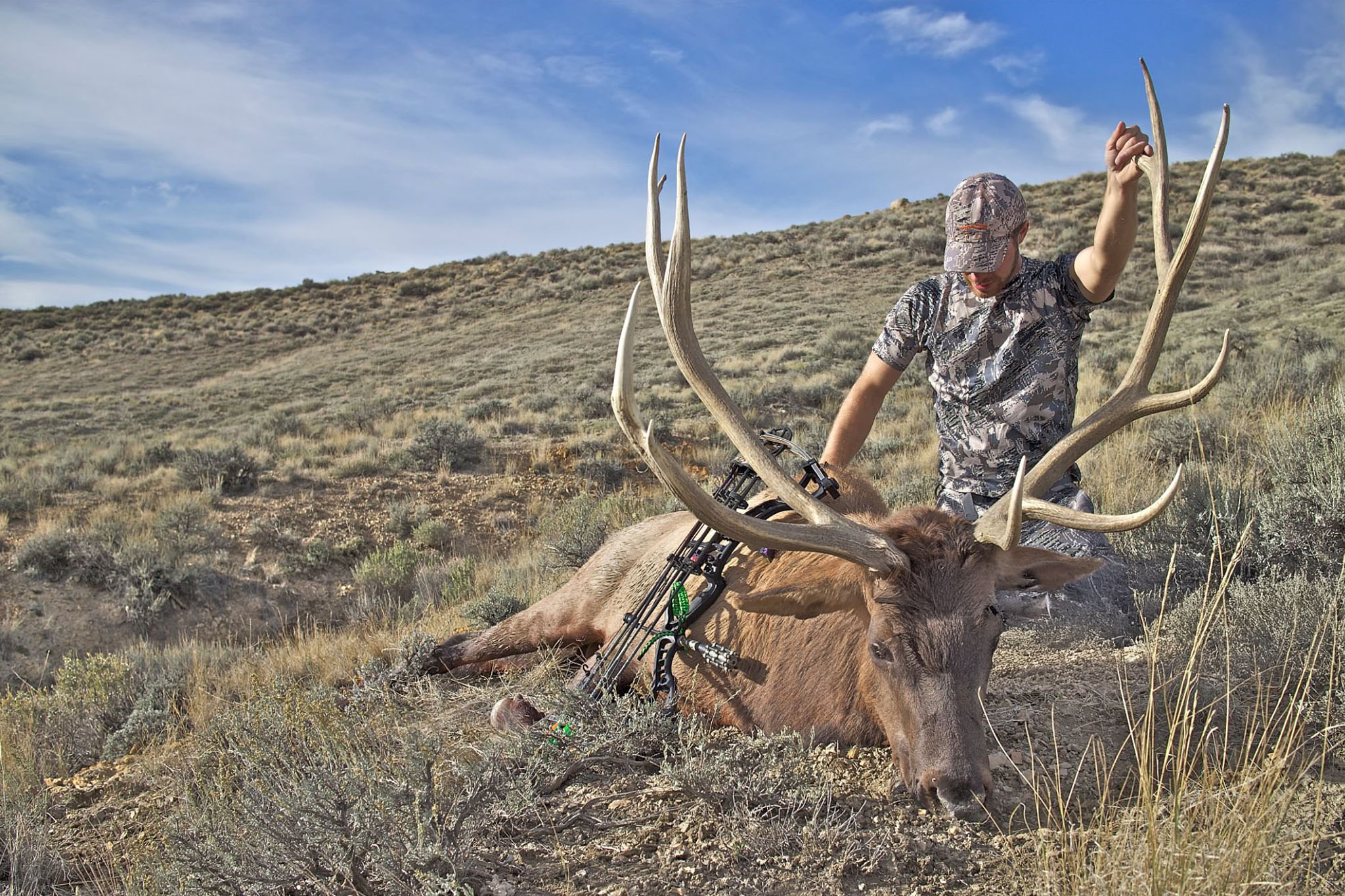
For serious whitetail hunters, early fall offers a unique window of opportunity. Mature bucks, often elusive and cautious, follow predictable patterns before the rut flips their world upside down. Understanding how their behavior shifts between early fall stability and rut-driven chaos can make the difference between a tag filled in September and weeks of frustration come November.
Early Fall: Predictability and Patterns
In September and early October, mature bucks still operate on summer-to-fall transition habits. While they’re cautious, their movements are more consistent than at any other time of year.
Food First
- Acorns: As white oaks begin to drop, bucks shift quickly to these high-energy foods.
- Ag Fields: Soybeans and alfalfa remain hot draws until frost dulls their appeal.
- Edge Cover: Bucks often stage in transition zones—thick cover just off feeding areas—before stepping out at dusk.
Travel Routes
In early fall, bucks stick to:
- Defined trails between bedding and food.
- Low-impact entry points where they can move under cover of terrain and vegetation.
- Wind-based travel, using their nose to monitor feeding areas before committing.
This predictable pattern allows hunters to glass, run trail cameras, and map entry/exit strategies with confidence.
Limited Range
Unlike during the rut, when bucks roam widely, early fall movement is localized. A mature buck may spend most of his time within a 200–400 acre core area, making him patternable if you avoid intrusion.
Rut Chaos: Instinct Overwrites Strategy
As October slides into November, everything changes. Testosterone surges, does come into estrus, and suddenly the meticulous buck you patterned in September seems to have vanished.
Wandering Instincts
- Bucks may abandon their core area for miles, chasing hot does.
- Travel becomes erratic, driven more by scent than strategy.
- Sightings increase, but predictability plummets.
Daylight Activity
During the rut, bucks are more visible in daylight, but that visibility comes at the cost of consistency. A buck seen today may be miles away tomorrow.
Risks Rise
The rut also increases risks for hunters:
- Bucks are more likely to circle downwind aggressively.
- Erratic chasing leads to unpredictable shot opportunities.
- Heavy pressure from other hunters during rut peaks makes competition fierce.
Hunting Strategy: Early Fall vs. Rut
Early Fall Tactics
- Scout Smart, Hunt Smarter – Use glassing and trail cameras outside bedding cover; avoid over-pressuring core areas.
- Set Up on Food-to-Bed Transitions – Evening hunts near staging areas produce the most consistent opportunities.
- Play the Wind Religiously – Mature bucks in September won’t tolerate mistakes.
- Stay Patient – Waiting for that first cold front often triggers daylight activity.
Rut Tactics
- Focus on Funnels and Pinch Points – Saddles, creek crossings, and interior trails funnel rut-crazed movement.
- All-Day Sits – Bucks may cruise at 10 a.m. or 2 p.m. as much as dawn or dusk.
- Call and Rattle Strategically – While often ignored in early fall, grunts and rattling sequences gain traction as competition heats up.
- Expect the Unexpected – Flexibility is key; the buck you’re after may be gone, but another could wander through at any time.
Why Early Fall May Be Your Best Shot at a Trophy
Many hunters dream of rut hunts, but the reality is that early fall often presents the highest odds at specific mature bucks. The combination of:
- Stable home ranges,
- Consistent food-driven movement, and
- Lower hunting pressure compared to peak season
makes September and early October prime time for putting a tag on the buck you’ve patterned all summer.
Come November, you might see more deer activity overall, but it’s less targeted and often harder to capitalize on.
Final Thoughts
Patterning mature bucks comes down to understanding the contrast between early fall order and rut-driven chaos. In early fall, precision scouting, patience, and restraint put the odds in your favor. Once the rut hits, opportunities increase in number but decrease in predictability.
Smart hunters recognize that while the rut provides excitement and chaos, the true chess match for a specific mature buck is often won—or lost—long before the first doe comes into heat.
