
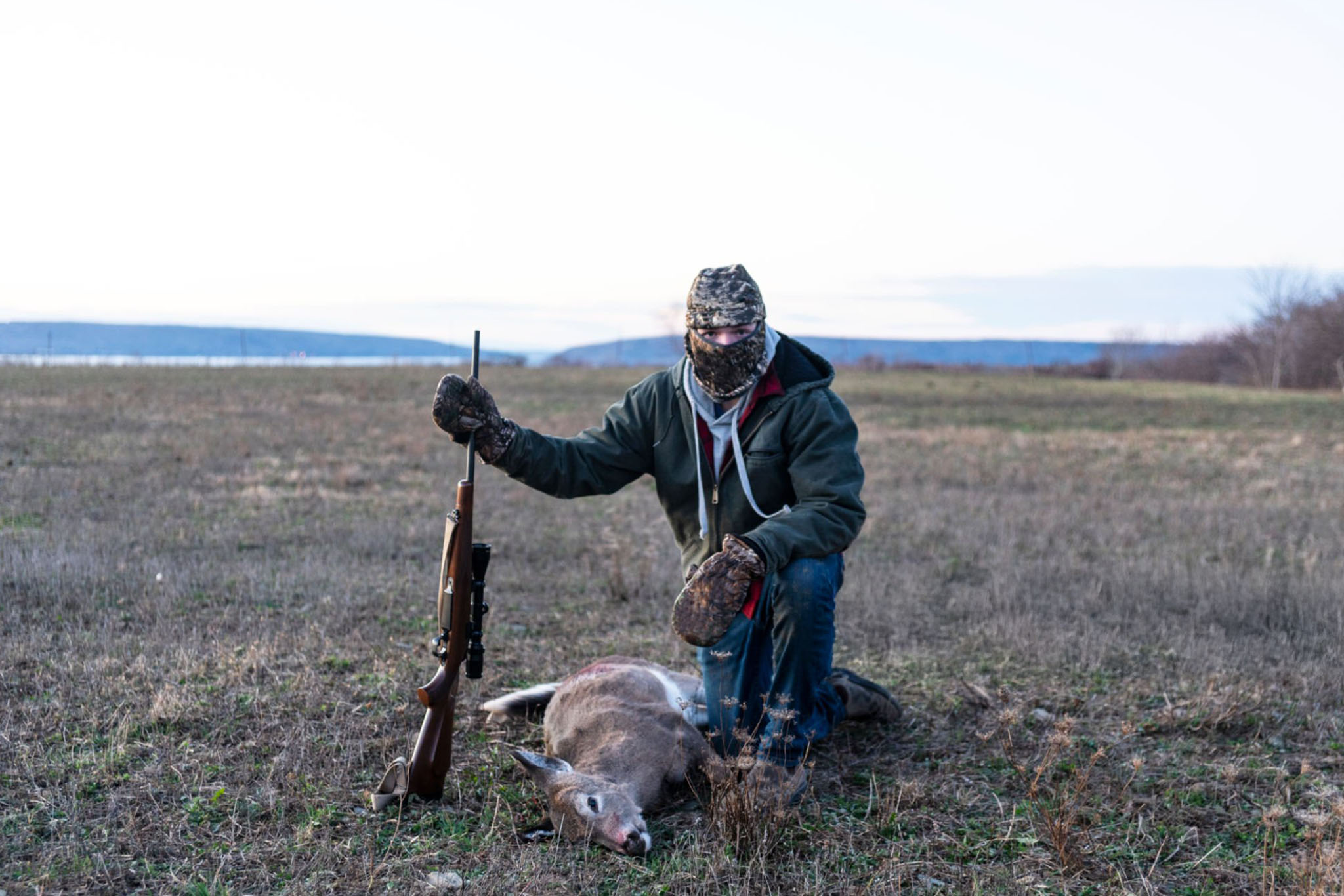
When the early hunting season finally arrives, excitement runs high. Hunters who’ve spent months scouting and tuning gear are eager to release that first arrow or squeeze the trigger. But early season hunting is about more than opportunity—it’s about responsibility. Taking ethical shots that balance range and accuracy ensures clean harvests, reduces animal suffering, and maintains the integrity of our sport.
What Makes a Shot “Ethical”?
An ethical shot is one that results in a quick, humane kill. It’s not just about hitting the animal—it’s about placing your shot precisely where it needs to go, with the right energy and at a distance where you have complete confidence.
Ethical shots require three key factors:
- Accuracy – Consistently hitting the vital zone (lungs, heart).
- Effective Range – Knowing your maximum distance under field conditions.
- Restraint – Passing on marginal opportunities, even if it means going home empty-handed.
Early Season Challenges to Accuracy
September hunts often bring unique conditions that make accuracy more difficult:
- Heat and Humidity: Can affect string performance in archery gear.
- Dense Foliage: Obstructs clear shot lanes and adds deflection risks.
- Animal Patterns: Deer and elk may move unpredictably as food sources shift.
- Adrenaline: That first close encounter of the season can rattle even experienced hunters.
Because of these factors, early season hunting demands extra discipline when judging whether to take a shot.
Determining Your Effective Range
Every hunter has an “effective range”—the farthest distance at which they can reliably hit the vital zone under hunting conditions. For archers, this is often shorter than they think.
- At the Range vs. the Field: Shooting tight groups at 50 yards in your backyard doesn’t guarantee success in the woods. Add uneven ground, awkward shooting angles, and wind, and that range often shrinks.
- The 80% Rule: If you can hit an 8-inch target at a given distance 8 out of 10 times, that distance may be within your ethical range. If not, shorten it.
- Practice Realistically: Shoot from treestands, kneeling, or with hunting clothing on to mimic real scenarios.
For rifle hunters, the temptation is long-range shots. But unless you’ve practiced extensively with your rifle, optics, and caliber, pushing beyond 200–300 yards in early season brush can risk poor hits.
Shot Placement: Prioritizing High-Percentage Angles
Not all shot opportunities are equal. In early season, with thick cover and often limited visibility, you’ll need to be even more selective.
- Broadside: The ideal angle, exposing lungs and heart for a clean shot.
- Quartering Away: Also high-percentage, provided you don’t overestimate penetration.
- Quartering Toward or Frontal Shots: Risky, with bones and less vital exposure—best avoided.
- Through Brush: Never ethical. Even small twigs can deflect an arrow or bullet.
Technology vs. Responsibility
Modern hunting gear—rangefinders, mechanical broadheads, high-BC bullets—offers hunters an edge in accuracy and confidence. But no gear can compensate for poor judgment.
- Rangefinders: Great for confirming distances, but don’t let them push you into shots beyond your practiced limits.
- Broadheads: Mechanical heads can create wider wound channels, but only when placed correctly.
- Optics: High magnification helps at distance but can exaggerate movement and make quick shots harder.
The bottom line: gear is a tool, not a substitute for discipline.
The Role of Patience
Early season hunts often present marginal opportunities—an elk in thick cover at 60 yards, or a buck feeding with only partial exposure. Ethical hunters know that passing on bad shots often leads to better ones later. Waiting for a clear, close, high-percentage shot is the hallmark of both seasoned skill and respect for the game.
Why Ethical Shots Matter Beyond the Hunt
Hunting ethics extend beyond the field. Taking responsible shots ensures:
- Respect for the Animal: Minimizing suffering aligns with conservation values.
- Hunter Image: Non-hunters judge our sport by how we conduct ourselves. Ethical practices protect hunting’s future.
- Personal Growth: Passing marginal shots builds discipline and satisfaction when success does come.
Final Thoughts
Early season is full of anticipation, but hunters must remember that ethics and discipline define success more than a full freezer. By balancing range and accuracy, knowing your limits, and waiting for the right opportunity, you not only increase your odds of recovery but also uphold the highest standards of hunting tradition.
September may be about opportunity, but it should also be about responsibility. The shot you choose—or choose not to take—says more about you as a hunter than the antlers on the wall.
