
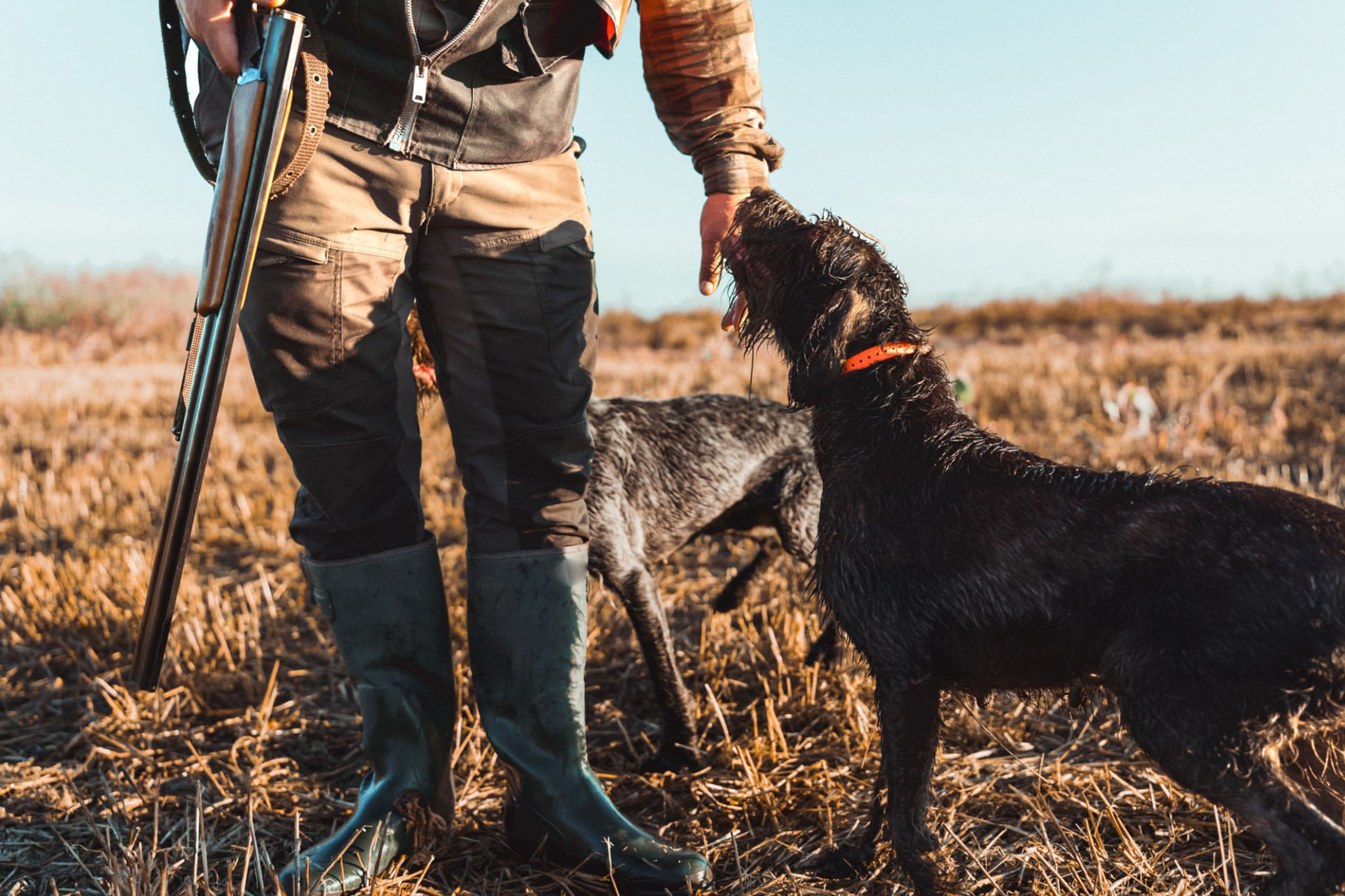
September marks the beginning of hunting season across much of the U.S., and with it comes the excitement—and the challenge—of being properly prepared. The early season is unlike any other time of year. Temperatures can swing from cool mornings to sweltering afternoons, deer and other game are still in summer patterns, and you’re often dealing with thicker vegetation and shifting food sources. That means your gear checklist in September should look different than it will during the peak rut or late winter.
Packing smart is about balancing preparedness with mobility. Overloading your pack can lead to noisy, sweaty hikes into your stand, while leaving out critical gear can ruin a hunt. Here’s a detailed guide on what to pack for September hunts—and what’s better left behind.
Essential Gear to Pack
1. Lightweight, Breathable Clothing
September hunts often mean warm days and humid evenings. Heavy gear that works in November will just make you sweat. Instead, focus on:
- Moisture-wicking base layers that keep you dry.
- Lightweight camo shirts and pants with good breathability.
- Packable rain gear, since early fall weather can change quickly.
- A light jacket or vest for cool mornings and evenings.
2. Scent Control Supplies
With leaves still on the trees and food sources abundant, deer can often pattern you before you see them. Staying scent-free is critical.
- Unscented deodorant and body wipes.
- Ozone or activated carbon sprays for clothing.
- Sealable bags for transporting worn gear.
3. Early-Season Optics
Deer and elk often move in low light during September, so having the right optics matters.
- Binoculars in the 8×42 or 10×42 range for scanning edges.
- Rangefinder to account for tricky early-season angles when shooting from a stand.
- Compact spotting scope if you’re hunting open terrain like prairies or western ridges.
4. Archery/Bowhunting Essentials
September is prime bowhunting season, and your gear must be dialed in.
- Broadheads (tuned and sharp).
- Extra release or tab—always have a backup.
- Small tool kit with Allen wrenches for quick adjustments.
- Bow rope or pull-up line for tree stand entry.
5. Hydration and Snacks
It’s easy to underestimate September heat. Dehydration can end your hunt early.
- Refillable hydration bladder or water bottles.
- Electrolyte packs for longer sits or hikes.
- High-protein snacks like jerky, trail mix, or protein bars.
6. Bug Protection
Mosquitoes, ticks, and gnats are still active in September.
- Thermacell or portable bug repellent device.
- Lightweight head net if gnats are bad.
- Insect-repellent treated clothing or sprays (permethrin works well).
7. Safety Gear
Don’t cut corners on safety, even on small tracts.
- Harness and lineman’s belt if hunting from a tree stand.
- First-aid kit with blister treatment, bandages, and antiseptic.
- Knife or multi-tool for field dressing or emergency use.
Nice-to-Have Items for September
While not essential, these can make hunts more comfortable and successful:
- Compact stool or cushion for ground setups.
- Lightweight game bags for early-season meat care in warm temps.
- Compact camera or action cam for documenting hunts.
- Range cards or mapping app printouts for new properties.
What to Leave Behind in September
Just as important as what you bring is what you don’t. Overpacking makes you louder, sweatier, and slower. Here’s what you can skip:
- Heavy insulated gear: Save the bulky bibs and heavy coats for November.
- Large treestand accessories: Stick with the basics—platforms and hang-ons can be minimal.
- Scent-heavy foods: Avoid snacks with strong odors (think spicy chips, flavored jerky).
- Excessive calls or rattling antlers: In September, subtlety beats aggressive tactics. A grunt tube may be useful, but save heavy rattling for the rut.
- Overloaded survival gear: While a first-aid kit is smart, you don’t need a full winter survival kit in early fall unless you’re backcountry hunting.
Pro Tips for a Streamlined Pack
- Weigh your pack before heading out. If it’s heavier than 15–20 pounds for a whitetail hunt, you may be overdoing it.
- Organize gear by priority: Frequently used items like rangefinders and calls should be in quick-access pockets.
- Run practice hikes with your gear on preseason mornings to make sure it’s manageable.
Final Thoughts
A successful September hunt comes down to preparation and efficiency. By packing only what you need—lightweight clothing, hydration, bow essentials, scent control, and safety gear—you’ll stay mobile and effective in the field. Leaving behind heavy, unnecessary gear not only reduces noise and fatigue but also increases your odds of getting close to wary early-season game.
Remember: smart hunters pack light but pack right. When the September sun rises and deer are on the move, you’ll be glad you took the time to refine your checklist.
