
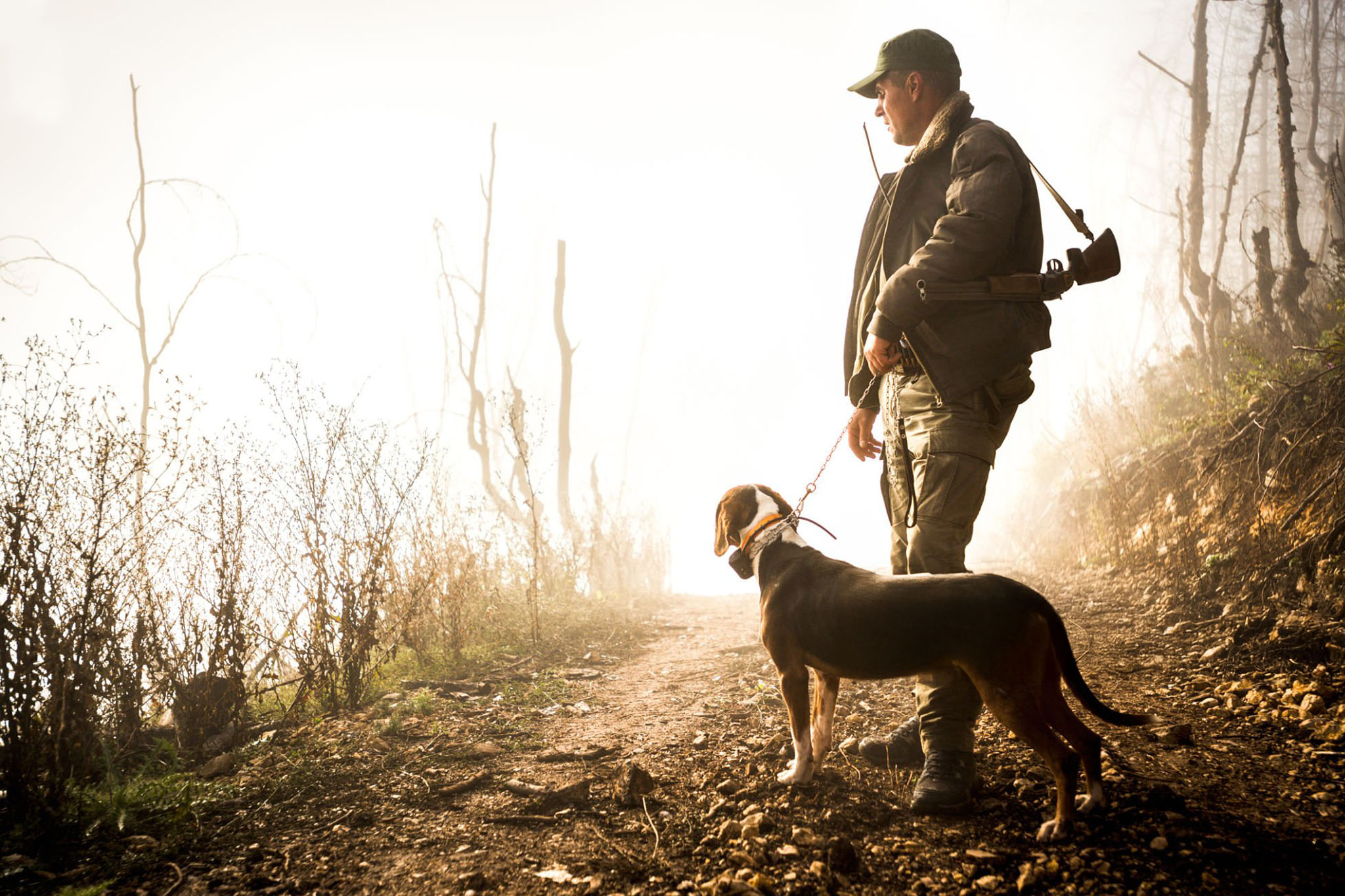
When September rolls around, deer season finally begins to take shape. For many hunters, this is the month that bridges the lazy, hot days of late summer with the first hints of crisp fall air. But along with the changing weather comes a common question: Should you hunt mornings or evenings in September?
The truth is, both timeframes have their advantages, and your decision depends on deer behavior, food availability, weather patterns, and your own hunting setup. Below, we’ll break down the pros and cons of each and help you decide when to be in the stand this September.
🦌 Morning Hunts in September
Pros of Morning Hunts
- Deer Returning from Feeding: During the early season, whitetails often feed overnight in crop fields, acorn flats, or food plots. By first light, they’re making their way back to bedding areas. Setting up along travel routes can give you a perfect shot opportunity.
- Cooler Temperatures: Early mornings are usually more comfortable for both hunter and deer. With less heat and bugs, deer are more active, and hunters can sit longer.
- Less Human Pressure: Many hunters avoid mornings in early season, fearing spooked deer near bedding. If you plan carefully, you may find mornings less crowded and more productive.
Challenges of Morning Hunts
- Tricky Access: Slipping into a stand before dawn can be tough in September. Fields may already be filled with feeding deer, and the risk of bumping them is high.
- Short Activity Window: Once deer bed down after sunrise, movement slows considerably. If you don’t catch them early, the woods can go quiet fast.
Best Strategy: Focus on travel corridors between feeding and bedding areas. Stay off the field edge itself—unless you know you can get in clean—and instead ambush deer where they naturally funnel back to cover.
🌅 Evening Hunts in September
Pros of Evening Hunts
- Predictable Food Sources: Early fall deer are highly food-driven. Soybean fields, alfalfa, corn edges, and oak ridges can all draw steady evening traffic.
- Extended Activity: As temperatures cool near sunset, deer often stage in cover and feed until dark, giving hunters a longer window of opportunity.
- Less Risk of Bumping Deer: Walking into a stand in mid-afternoon typically doesn’t disturb bedding areas, making evening hunts easier to approach.
Challenges of Evening Hunts
- Last-Light Shots: Deer may not enter open fields until the final 20 minutes of shooting light, which means you’ll need excellent patience—and optics—to capitalize.
- Exit Strategy Issues: One of the hardest parts of evening hunts is leaving without spooking deer. If deer are feeding in your field at dark, you can blow out the whole area.
Best Strategy: Use staging area sets—brushy draws, inside corners, or oak flats—where deer hang out before hitting fields. This reduces the risk of being trapped at dark and improves your chances for close-range encounters.
🌡️ Factoring in Weather and Conditions
No matter the time of day, September hunting success often comes down to conditions:
- Temperature Drops: Deer move better on cool mornings and evenings. A sudden cold front can turn a slow hunt into a hot one.
- Wind Direction: Don’t force a sit. Always play the wind, whether hunting morning bedding routes or evening food edges.
- Moon Phase: Many hunters believe overhead or underfoot moon positions during dawn/dusk can slightly boost deer movement. While not the only factor, it’s worth noting.
✅ When Should You Hunt in September?
- Choose mornings if… you have bulletproof access to a travel corridor, cool weather is in your favor, and you’re targeting deer heading back to bed.
- Choose evenings if… you’re hunting food-driven deer, want easier entry routes, and don’t want to risk bumping animals before sunrise.
For many hunters, evenings dominate September hunting simply because food is so reliable and access is cleaner. That said, if you have a low-impact morning setup, don’t be afraid to take advantage of those first-light movements.
Final Thoughts
September hunting is all about timing, discipline, and preparation. Whether you prefer the crisp stillness of a dawn sit or the anticipation of deer filtering into fields at sunset, both mornings and evenings can produce results. The key is knowing your land, watching food sources, and playing conditions to your advantage.
This September, instead of asking whether mornings or evenings are better, think about where deer want to be—and plan your hunts to intersect their movement at the perfect time.
